• Skip to primary navigation
  • Skip to main content
  • Skip to primary sidebar
  • Contact Us
  • Pay My Bill
  • Patient Portal
KV Healthcare

KV Healthcare

Your Home for Health

  • Find a Provider
  • Clinics & Specialties
        • Primary Clinics

        • KVH Family Medicine – Cle Elum
        • KVH Family Medicine – Ellensburg
        • KVH Home-based Primary Care
        • KVH Internal & Adult Medicine
        • KVH Pediatrics
        • KVH Women’s Health
        • KVH Rapid Access
        • Specialty Services

        • Anticoagulation Clinic
        • Addiction Medicine
        • Specialty Clinics

        • ENT & Allergy
        • Cardiology
        • Dermatology
        • General Surgery
        • Home Health
        • Hospice
        • Neurology
        • Podiatry
        • Orthopedics
        • Urgent Care
        • Urology
        • Vascular Surgery
        • Workplace Health
        • Wound Care
        • Therapy Services

        • Physical Therapy
        • Speech Therapy
        • Occupational Therapy
        • Cle Elum Therapy Services
  • Hospital Services
        • Services

        • Cardiopulmonary
        • Emergency Department
        • Imaging
        • Laboratory
        • Nutrition
        • Pharmacy
        • Surgical
        • Family Birthing Place

        • About Family Birthing Place
        • Class/Event Calendar
        • What to Expect
        • Birth & Family Education
        • Lactation Services
        • 4th Trimester Resource Center
        • Pregnancy & Infant Loss
  • Patients & Visitors
        • Patient Tools

        • Request Medical Records
        • Checking In
        • Language Services
        • Quality of Care
        • Patient Portal
        • Patient Safety & Security
        • Patient Policies
        • Insurance & Billing

        • Accepted Insurance
        • Price Transparency & Billing Services
        • Washington Health Plan Finder
        • Financial Assistance
        • No Surprise Act - Balanced Billing
        • Insurance vs. Self Pay
        • Bills from Other Providers
        • Pay My Bill
        • Visitors

        • Visiting Information
        • Mother’s Room
        • Café
  • About KVH
        • About KVH

        • About KVH
        • Mission & Vision
        • Board of Commissioners
        • Administration
        • Quality of Care
        • DAISY Award Program
        •  

        • News & Blog
        • Events & Education
        • Contact Us
        • Locations
        • Work With Us / Careers
        • Foundation

        • About the Foundation
        • The Foundation Board of Directors
        • Programs to Support
        • Ways to Give
        • Donate Now
        • Foundation Events
  • Donate Now
  • Pay My Bill
  • Patient Portal
  • Find a Provider
  • Clinics & Specialty Services
  • Hospital Services
  • Patients & Visitors
  • About KVH
    • Mission & Vision
    • Board of Commissioners
    • Administration
    • Contact Us
    • KVH News
    • Our Locations
    • Quality of Care
  • Careers at KVH
    • Culture & Mission
    • Education
    • Providers
    • Non-Clinical
    • Volunteer
    • Nursing
    • Professional Development
    • Clinical
  • The Foundation at KVH
    • Donate Now
    • About the Foundation
    • The Foundation Board of Directors
    • Foundation Events
    • Programs to Support
    • Your Impact
    • Ways to Give

KVH News

Teen Acne

Elise Herman , MD · February 13, 2024 ·

Contributor Dr. Elise Herman

Teen acne is very common, affecting 85% of adolescents. It can occur on the face, neck, back, shoulders, and chest. Mild acne usually resolves without scarring, but more severe acne can cause darkened areas and permanent depressions in the skin. Teen acne does improve in most by age 20, but in the meantime, it can worsen a teen’s self-esteem, emotional health, and result in bullying.

Acne occurs in teens due to increased pubertal hormones which cause sebaceous glands in the skin to make more sebum (oil which lubricates the skin). This sebum can plug the pores (hair follicles), resulting in swelling. Bacteria then can create inflammation, irritation, and redness in these swollen pores.

There are factors which are known to increase acne, including stress. Hormones related to menstruation can also worsen acne the week or so before a girl’s period. Some skin products (moisturizers, sunscreen, and cosmetics) can make acne worse. Look for water-based products and avoid any that contain mineral oil, beeswax, sodium lauryl sulfate, cocoa butter, or coconut oil. Products labeled “non-comedogenic” (meaning not acne-causing) are ideal. Things that rub or cause excessive sweating can contribute to acne; think of phones, chinstraps, and backpacks. Research has not shown a connection between diet and acne, though a healthy diet with lots and fruits and vegetables and minimal processed food is recommended for all teens.

There are four types of acne. Whiteheads are plugged pores that remain closed. Blackheads are plugged pores that are more superficial and open up, turning dark. Pimples are deeper plugged pores that become irritated and red due to bacteria (though this is not a true infection). Cysts or nodules are deeper, bigger, and may be painful. This severe type of acne can leave permanent scars.

If acne is mild or moderate, start with over-the-counter products. Washing twice a day with a mild soap such as Cetaphil or an acne wash can help. Clean fingertips are ideal for washing the face; avoid scrubbing. After the skin has dried for about 20 minutes, apply a low strength (2.5%) benzoyl peroxide product sparingly to the face and other problem areas (not just on pimples) once a day, perhaps in the morning. Lower strength benzoyl peroxide products have been shown to work as well as higher strength for most people. Benzoyl peroxide can bleach towels and clothing, so apply carefully. After washing the face in the evening and allowing it to totally dry, apply a thin layer of adapalene (also called ‘Differin’) which is derived from Vitamin A. Both benzoyl peroxide and adapalene can cause irritation, dryness, and redness so always apply to dry skin and use a small amount. These products can initially be used every other day, slowly working up to daily, to help minimize this.

It can take 2-3 months for acne to improve with an appropriate skin care routine, so patience is key. Squeezing acne lesions makes them more inflamed and take longer to heal as well as potentially causing scars, so should be avoided. If acne is more severe or not improving with over-the-counter care, seek help from your medical provider or a dermatologist. Treatment of more severe acne can help prevent permanent scarring.

Remember that although acne does usually resolve after the teenage years, it can be a very big deal to your teen in the present, affecting them not just physically but emotionally. Let your teen know that you empathize, and together you will do what’s needed to treat their acne.

more about The contributor

Dr. Elise Herman

headshot of Dr. Elise Herman
Blog Posts
Profile

Dr. Herman is passionate about community health outreach, school programs, and child/family health and wellness. She has more than 31 years of experience as a pediatrician in Ellensburg, Washington, the last 3 with KVH Pediatrics. In 2022 Dr. Herman mostly retired from practice and continues to contribute blog posts and remain a visible advocate for kids in the community.


Helping Your Shy Child

Elise Herman , MD · January 9, 2024 ·

Contributor Dr. Elise Herman

By nature, some kids are more outgoing than others. Many children are shy and reserved when younger but become less so as they grow up. Being shy, however, just characterizes a child’s approach to the world (especially new situations) and does not have to be seen as a negative. There are felt to be some benefits of this personality trait as these children tend to be more observant and less impulsive. Shy kids may be slower to warm up and more cautious about jumping into a new social situation but given time and the opportunity to be involved when they feel ready, do fine socially.

You can help your child if they fall into the ’shy’ category:

  • Don’t allow people to label your child as ‘shy’ which can make them feel negatively about themselves. You can say something like, “He just sometime needs a little time to observe and warm up”. You can suggest your child give a little wave or smile if they are not ready to talk to someone.
  • Accept your child’s shyness and acknowledge their feelings, but don’t be overprotective. Gently encourage them to try challenging situations such as answering a question in class, ordering an item at a restaurant, or saying ‘hi’ to a child they see on the playground.
  • Create opportunities to practice social skills especially in low-risk settings such as going on playdates, casually getting together at a park with another family, etc.
  • Roleplay certain situations such as meeting new adults and approaching kids at school. It is fine to be near your child if they ‘need’ you, for example when meeting other kids at a playground, but try to let them speak for themselves. If they seem comfortable, you can move away while reassuring your child that you will be nearby.
  • Participation in group activities can build social skills and confidence. Small groups or classes such as scouts, dance, sports, or music give your child a chance to get to know a group that they will see regularly and so become increasingly comfortable.

It is important to separate common shyness from social anxiety disorder, which is more severe, long-term, and interferes with everyday life to a greater degree. Those with this issue worry excessively about social interactions and seek to avoid social situations when possible. This can negatively impact school, friendships, and overall emotional well-being. Talk to your child’s healthcare provider if you think your child may have social anxiety disorder as counseling and other treatments can be very helpful.

But don’t fret if you have a shy child—things will get easier! Accepting your child for who they are and supporting them as they work on social skills will help them gain the confidence they need as they grow.

more about The contributor

Dr. Elise Herman

headshot of Dr. Elise Herman
Blog Posts
Profile

Dr. Herman is passionate about community health outreach, school programs, and child/family health and wellness. She has more than 31 years of experience as a pediatrician in Ellensburg, Washington, the last 3 with KVH Pediatrics. In 2022 Dr. Herman mostly retired from practice and continues to contribute blog posts and remain a visible advocate for kids in the community.

Preventing Respiratory Syncytial Virus Infections

Elise Herman , MD · December 7, 2023 ·

Contributor Dr. Elise Herman

As the winter weather approaches, so does the ‘sick season’, including illness due to RSV (Respiratory Syncytial Virus). RSV typically starts in fall, peaks in winter, and causes cold symptoms including runny nose, cough, and fever in children and adults. Most kids have had RSV by age 2. Although usually mild, RSV can cause more serious problems like wheezing, pneumonia, and trouble breathing. These problems are more likely in premature babies or in kids with heart disease, lung issues like asthma, and immune system problems. Between 58,000 and 80,000 kids under age 5 are hospitalized due to RSV each year. Adults aged 60 and above are also at higher risk of more severe RSV illness. Reinfections with RSV are common.

Like other colds viruses, RSV spreads by the droplets released by coughing or sneezing. You can also get it by direct contact (for example kissing) or touching a contaminated surface like a counter or cup and then touching your eyes, nose, or mouth.

There is no effective treatment for RSV and since it is a virus, antibiotics do not help. There are, however, two new good ways to prevent RSV—vaccines for adults and antibody treatment for young children. Vaccines stimulate the formation of antibodies to help fight infection (active immunity). Antibody treatments give antibodies directly to the body (passive immunity).

RSV vaccines are available for those 32-36 weeks pregnant during RSV season and if given at least 2 weeks before delivery, will help protect the baby from severe RSV. RSV vaccine is also recommended for those 60 years and older.

Antibody therapy (Nirsevimab) is approved for babies less than 8 months during RSV season (if mom did not get vaccine at least 2 weeks before delivery). Nirsevimab is also appropriate for some infants aged 8-19 months with severe health issues including extreme prematurity, immune system problems, cystic fibrosis, and heart disease. Nirsevimab is an injection and lasts 5 months, so helps protect for the entire RSV season. There is another antibody treatment called Palivizumab that has been used for years, but this is only approved for very high-risk children under age 2 and requires a monthly injection.

Side effects of Nirsevimab are uncommon and include temporary discomfort, redness or mild swelling at the injection site, and a rash. Nirsevimab can be given with routine childhood vaccines and may be given if a child has mild cold symptoms. Children who have had RSV should still receive the antibody therapy due to the risk of getting infected again later in the sick season.

There may be some difficulty having enough Nirsevimab for all kids who are eligible this year; contact your child’s provider about this. Supplies of RSV vaccine for those who are pregnant or 60 and over seem adequate; check with your provider or local pharmacy.

Remember the routine ways we can all help prevent the spread of RSV and other viruses, such as frequent hand-washing, avoiding touching one’s face, staying home if sick, and wearing a mask when appropriate. Also, cover sneezes and coughs, do not share cups or utensils, and keep countertops and other frequently touched surfaces clean. Don’t forget your child’s other important vaccines including Influenza and COVID vaccines as these are also important to help keep your child healthy this winter season.

more about The contributor

Dr. Elise Herman

headshot of Dr. Elise Herman
Blog Posts
Profile

Dr. Herman is passionate about community health outreach, school programs, and child/family health and wellness. She has more than 31 years of experience as a pediatrician in Ellensburg, Washington, the last 3 with KVH Pediatrics. In 2022 Dr. Herman mostly retired from practice and continues to contribute blog posts and remain a visible advocate for kids in the community.

Vegetarian and Vegan Diets in Teens

Elise Herman , MD · November 13, 2023 ·

Contributor Dr. Elise Herman

Although still a minority, more people are exploring plant-based diets, including teens. If your teen has expressed interest in this, you may wonder if being a vegetarian or vegan is nutritionally sound and how to handle this change at home. In some families, a diet different than the rest of the household can be a source of conflict, but it need not be so.

Understanding the reason behind a change in diet is important. Some choose vegetarianism or veganism for health reasons (in adults, these diets are associated with lower risk of some diseases including heart disease, high blood pressure, Type 2 diabetes, and some cancers). The American Academy of Nutrition and Dietetics along with the American Academy of Pediatrics have stated that vegan and vegetarian diets can be “nutritionally adequate during infancy, childhood and adolescence”, but emphasize the need to make sure kids are getting enough nutrition to maintain good health and grow properly. Other reasons for choosing to be vegetarian or vegan may have to do with the larger carbon footprint of animal-based foods and animal cruelty concerns. If your teen is doing this to lose weight, make sure there is not an underlying eating disorder, and touch base with your provider if this is a concern.

There are different types of plant-based diets. Lacto-ovo vegetarians eat no meat but do eat dairy and eggs. Lacto-vegetarians eat no meat or eggs but do consume dairy products. Pescatarians don’t eat meat but do eat fish (and usually dairy and eggs). Vegans eat no food products that come from animals including dairy, eggs and for some, honey.

Vegetarianism and veganism are not just about what is not eaten, but also about what is eaten to be fully healthy. It is important to be mindful of certain key nutrients that may be harder for vegetarians and vegans to get enough of:

  • Vitamin B12: important for brain and heart function; found in animal sources (meat, fish, dairy, eggs) and some plants (bananas, potatoes, etc.) but hard to get adequately from plants alone. Supplemental sources include fortified soy milk, cereals.
  • Calcium: creates strong bones and teeth; naturally found in dairy products. Vegans should eat lots of dark green veggies and look for foods fortified with calcium (juices, cereals, soy milk). Tofu is an excellent source of calcium.
  • Iron: essential for preventing anemia and keeping the immune system strong; found in meat and fish. Plant based sources include beans, peas, dark leafy veggies, and dried fruit. It is harder to absorb iron from plant-based foods, so one needs to eat more of these to avoid having low iron.
  • Protein: builds muscle and is found throughout the body. Protein is in meat, fish, eggs, and dairy. Vegans need to eat adequate plant-based protein sources like nuts, soy, whole grains, and legumes (lentils, peas, and peanuts).
  • Omega 3 fatty acids: very important for cognitive development and assuring adequate energy; most easily found in fish, but also canola oil, soy products and walnuts.

In general, those following a vegetarian or vegan diet should take a multivitamin that has B vitamins, calcium, vitamin D, zinc, and other nutrients. Look for foods that are fortified with vitamin B-12, calcium, omega-3 fatty acids, iron, and vitamin D. Discussing healthy nutrition with your teen is important regardless of their preferences, but especially if they are interested in following a vegetarian or vegan diet. And since plant-based foods are important for all of us, this could be an opportunity for the whole family to learn more about healthy eating.

more about The contributor

Dr. Elise Herman

headshot of Dr. Elise Herman
Blog Posts
Profile

Dr. Herman is passionate about community health outreach, school programs, and child/family health and wellness. She has more than 31 years of experience as a pediatrician in Ellensburg, Washington, the last 3 with KVH Pediatrics. In 2022 Dr. Herman mostly retired from practice and continues to contribute blog posts and remain a visible advocate for kids in the community.
Mammography at KVH

HealthNews · October 20, 2023 ·

October is Breast Cancer Awareness Month, a time to increase awareness about this disease and promote early detection. National Mammography Day is observed annually on the third Friday of every October, during Breast Cancer Awareness Month.

In the fight against breast cancer, knowledge is power. By spreading awareness and encouraging early detection through mammograms and other imaging technologies, we can significantly improve the chances of successful treatment.

What Is a Mammogram?
KVH Digital Mammography

Meet the Imaging Technologists

Mammogram technologists play a crucial role in the early detection of breast cancer. By performing the test carefully, they provide patients with a vital tool for maintaining their health and well-being.

Shelby

Erin

Kim

Rose

Q&A with the Techs

Rose & Shelby

How do you normally respond if you come across somebody who seems to be anxious?

… once we get in the room, we explain to them what we are going to do and what we need from them and how we can work together to make it as comfortable as possible. Um, you know, if they have any questions to ask us before we get, but we, we will thoroughly explain to them, show them what we’re going to do and what to expect. … explain the importance of having to compress enough that it might be uncomfortable, but should not be painful.

How long is the actual mammogram? … after check-in and taken back

Five to six minutes for the actual exam time. That varies of course, but it does not take long. And most often we’ll hear that was quick.

Is it your experience is that most people, it’s a better experience than what they thought?

That’s right.

Within your team, because you have this beautiful team of women, what do you do to support each other here?

We just work well together. All of us. I love the team over here. Everyone’s reliable, efficient, well educated in the department. So I mean, we just support each other and help each other wherever we can.

Do you enjoy working in this particular sector of the hospital?

I Love it over here. I love to see the familiar faces. I mean, every day there’s familiar names and I might either just know the name, not the face or I know both. I’m like, oh, so and so’s coming in today. And they love to see familiar faces too. Yeah. Community in a small town is really important. I’ve seen patients year after year and or they’ll ask for who’s working today.

What is the level of discomfort or pain a patient should expect?

…there’s gonna be pressure, but it’s not supposed to hurt. I always say it’s, it’s, um, awkward, maybe uncomfortable. Yeah. But it should not be painful. And if you are experiencing pain, let me know. And of course, everyone’s pain level is different.

Do you have anything that kind of stands out in experience that you had that was really positive in patient care?

We do have patients that like to give us hugs. I have one that I can think of that’s been pretty recent. She, you know, was from this area and she’s come in for years and she needed a biopsy and we did it here. So she came here, had her biopsy, and she loved that. She was around familiar faces and she gave everyone hugs, was very thankful, was very anxious of her results. But the fact that familiar faces versus going somewhere else, because of course you, you can go somewhere else and have your biopsy. And most patients are like, I want to come here. I know you guys. And we, you know, we take good care of ’em.

Is there anything else that you would like to share about your experience either at K V H or in mammography?

Most mammograms are very fast turnaround. So most of them, I would say 90% are read, typically same day. And we tell the patients that your study will probably be read today. If not, it’ll roll over and be read tomorrow. But, um, so it is a quick turnaround. And we do have a radiologist on site.

So if someone comes in for a diagnostic, they’re, they get their results while they are here. And the radiologist, some radiologists will come down with every diagnostic and give them their results personally, or we come back and relay results, Hey, everything looks good. Or, you know, of course if it’s, they’re recommended to have a biopsy, the radiologist will always come and sit down with them and talk to them, answer any questions and explain, you know, what they need to have done.

Tough Enough To Wear Pink

The Foundation at Kittitas Valley Healthcare partners annually with the Ellensburg Rodeo for Tough Enough to Wear Pink to raise funds for breast cancer awareness and prevention services impacting local patients here in Kittitas County.

Learn More

WRITE Excellence in Teaching Award

HealthNews · October 17, 2023 ·

Congratulations Dr. Merrill-Steskal for being awarded the WRITE Excellence in Teaching Award for the Eastern/Central Washington region.

“This award aims to recognize and honor preceptors with a track record of excellence in teaching medical students as well as those that serve as a leader in their community. Nominations were collected from WRITE students across WWAMI. A selection committee then reviewed all nominations based on five criteria: commitment to student success, effective teaching methods, positive impact in the community, excellence as a role model for students, and commitment to continuous improvement. You have clearly demonstrated the qualities we look for in outstanding preceptors and recipients of this award.” – University of Washington School of Medicine

CFO Transition

Kristl Densley · October 16, 2023 ·

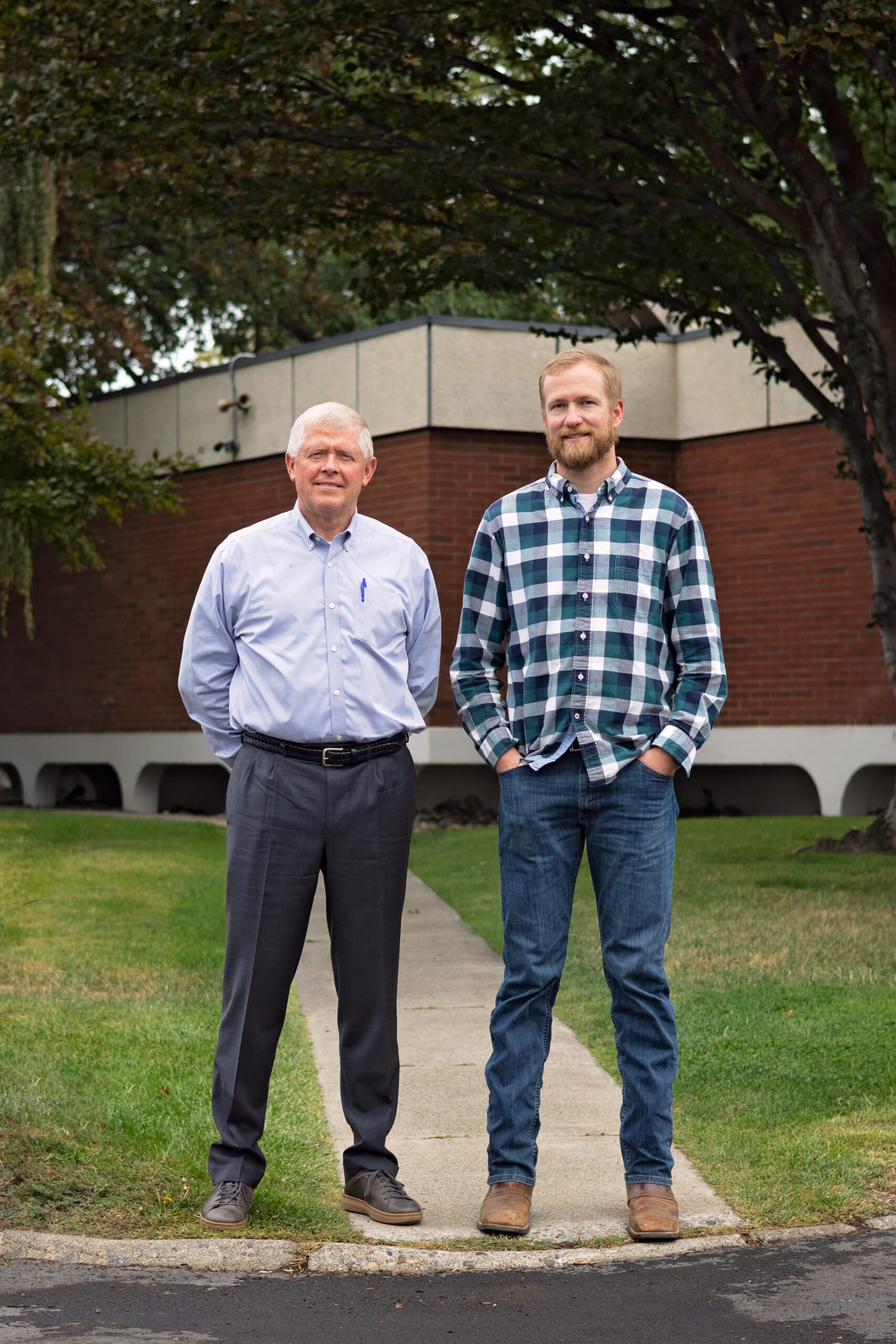
Jason Adler has officially transitioned to the Chief Financial Officer (CFO) at Kittitas Valley Healthcare.

Wait a minute! Congratulations are in order. Jason advanced within the Kittitas Valley Healthcare system through hard work, dedication and a little mentoring from Scott Olander, our outgoing CFO. I met with Scott and Jason to get to know a little bit more about advancement opportunities within the KVH family and how Jason prepared for his new role.

How it started…
“Mentoring began for me when I started here with Jason,” Scott declared as he took his glasses off to see a little better. “He was interested in learning. He’d done a lot of work previously on pieces of the cost report, and he’d been involved in pieces of contract negotiations and things like that. But he was interested and he had actual knowledge of the organization. So, it was informally at that point, but it was right from the very, very beginning.” He said, turning to Jason, to pass the baton.

Jason added, “Yeah. [mentoring] was both ways. I think I expressed willingness to learn. And he expressed he had a lot of knowledge that I realized real quick that I could take from his past experiences and leverage it for KVH.”

“Yeah!” Scott exclaimed, ignited by something Jason had said, “Jason’s really strong with the data and technical analysis and stuff like that. And I’m not. I understand the data, but I’m not good at pulling the data. So, I’ve learned that mentoring, the learning, I guess, has gone both ways from my perspective.”

I then asked about the process of being mentored and the benefits of doing internal hires as opposed to hiring positions externally.

Scott quickly chimed in, “It was a board assignment to work towards some continuity and progression through retirements and turnover transitions. Also, just to demonstrate to the entire organization to be thinking in this capacity of continuity and transition planning. Julie wanted all the department leaders or all the organizational leaders to kind of identify a succession plan and to identify individuals that we would mentor and coach to prepare for potential future opportunity.”

Scott, continuing his train of thought, “I personally think that some of your best hires are within the organization [because] they are committed to the community; they’re committed to the organization. There’s always bright people elsewhere that you can bring in, but they may not have the commitment to the community.”

With that strong perspective in mind, I asked what they both would do moving forward, what are they going to steal from one another’s’ styles.

Jason responded, “Being open and collaborative. I think I would steal from Scott trying to be always more collaborative with others’ perspective and slow down a bit but to also keep a pace going. So, set[ting] expectations and pace [within collaborations].”

Scott, adding these clarifying remarks, “You know, there are things that Jason approaches differently than I do. And there’s no right or wrong answers. There’s different answers, different approaches. I am excited about the opportunity to [transition] to rev cycle. I think it will make the organization better. It’ll make the rev cycle better. We’ll be better.”

Jason, remembering a thought from before, “Something that I did learn from Scott, is to allow the managers and support the managers in what they feel they are needing to accomplish their task. Whether that’s FTEs or contractors or supplies, services, to really listen to them and support their needs. I think that I will challenge some of the mangers in some ways too.”

“Probably more so than I did,” Scott said with a chuckle, “Which is understandable. Which is a good change.” Scott says as if to finish Jason’s thought.

Where it’s headed…

I asked them both if they had any advice for employees wanting to advance within the organization or even laterally move and learn new skills.

Jason, with the first thought, “Go to HR and say, “Hey, I’m interested in other roles. Keep your ears open with what might be a good fit.” You can dabble in other areas and gain experience.”

Scott, being contemplative, “From the employee side, I think, if they’re willing to be patient and to work hard, and be willing to do different things, one of the things that distinguished Jason is he was willing to try other things and take on other assignments. And to the degree that you, as he described, as a small organization, there’s not necessarily a clear path to the other positions and other opportunities. It’s not readily apparent. But if you work hard and are patient, those opportunities come around, they really do.”

Continuing while gesturing to Jason, “It’s kind of the same thing that happens with Jason. You know, he was an analyst, he worked with a lot of people within the organization, particularly with budgeting and…” he said trailing off.

“Hard work definitely breeds trust.” I interjected trying to guess his unfinished phrase.

“Mm-hmm.” Scott responded immediately.

Jason, rounding out his last thoughts, “For successful mentorship and personal experiences is just having that really high respect for your mentors and mentees and everybody around you, really. Keep that healthy amount of friction, push back, but have that very healthy respectful balance there.”

In conclusion, we agreed that within our KVH organization, we foster giving employees a voice. And when people have a voice, they can feel invested. Being invested leads to action and hard work and that, leads to opportunity. And mentoring and being mentored IS opportunity.

Opportunities await…

Avoiding Picky Eating in Kids

Elise Herman , MD · October 16, 2023 ·

Contributor Dr. Elise Herman

Most parents are familiar with the ‘picky eater’- the child who is suspicious of new foods, has strong favorites, and may refuse to eat what the rest of the family is eating. Picky eating is very common in young children, but usually improves by age 5 years. This behavior occurs in part to exert some control over mealtime (and parents) in a way that is often attention-getting.

Regarding feeding your child, it is a parent’s job to offer healthy foods and decide the time and place for eating; it is the child’s job to decide what to eat and how much. Remember that children will eat when they are hungry, and with enough opportunities (it may take 15 ‘exposures’ to something new), will accept and eat most foods. Pressuring a child to eat creates conflict and can make mealtime stressful actually resulting in the child eating less. It is OK if your child occasionally misses a meal because they refuse to eat what is served.

There are things parents can do to minimize “picky eating” and encourage good eating habits that last a lifetime:

  • Offer a variety of foods including vegetables as soon as your child starts solids in infancy.
  • Have set mealtimes and decide how long meals will last; most kids can sit at the table for about 15 minutes for breakfast and lunch, and 20-30 minutes for dinner.
  • Sit down for meals and do not allow kids to come and go from the table; if they are ‘done’, the plate and any uneaten food is removed.
  • The kitchen is ‘open’ for planned meal or snack time and otherwise is ‘closed’; no other eating or drinking (except for water) as it may decrease the appetite for the next meal. Kids need 3 healthy balanced meals and 1-2 small snacks daily.
  • Get your child involved–gardening, preparing food/ helping with cooking (keep this age appropriate), planning the meal, or setting the table.
  • No separate meals; you are not running a restaurant! You can have a ‘boring’ option available (for example, plain bread) occasionally, but ignore whining or tantrums about food.
  • Give new foods in very small amounts so it is not intimidating.
  • Do not offer crackers, cookies, chips, etc. to get your child to eat ‘something’; if they are truly hungry, they will eat some of what is served.
  • Do not use dessert as a bribe to eat a meal.
  • Model healthy eating habits and keep discussion of eating neutral; no elaborate praise if they eat ‘well’ and no criticism if they refuse to try a new food. Keep conversation light and upbeat so mealtimes are positive.

If you have concerns about your child’s ability to eat or swallow normally, or if you worry they may not be getting enough nutrition, talk to your child’s health care provider.

Resources

  • Kids Eat in Color Website https://kidseatincolor.com
  • Tips for Feeding Picky Eaters – healthychildren.org / American Academy of Pediatrics

more about The contributor

Dr. Elise Herman

headshot of Dr. Elise Herman
Blog Posts
Profile

Dr. Herman is passionate about community health outreach, school programs, and child/family health and wellness. She has more than 31 years of experience as a pediatrician in Ellensburg, Washington, the last 3 with KVH Pediatrics. In 2022 Dr. Herman mostly retired from practice and continues to contribute blog posts and remain a visible advocate for kids in the community.

The Benefits of Awe-Inspiring Experiences for Kids

Elise Herman , MD · September 7, 2023 ·

Contributor Dr. Elise Herman

We have all known the sensation of wonder and amazement when we experience something “awesome” like a spectacular rainbow. It turns out that ‘awe’- the overwhelming feeling of respect and amazement, often created by something vast and mysterious- is an important emotion with lots of benefits. Sources of awe might be nature, art, music, spirituality, or a demonstration of courage.

Experiencing awe has been well studied in kids and adults and has been shown to increase creativity and curiosity, which fuel learning. Awe increases positive feelings, decreases negative feelings, and helps with emotional regulation and the ability to handle stress. Awe inspiring moments give children stronger feelings of connection and cooperation, especially if shared with others. Family bonds are strengthened by family members witnessing something ‘awesome’ together.  Prosocial behavior (behavior that benefits others) has been shown to be more likely after experiencing awe.

In the face of something vast like a starry sky or beautiful ocean, we may feel more humble, understanding how small we really are in the world. This feeling of humility can put our own issues and struggles in perspective and encourage us to think beyond ourselves. This is particularly important now given social media use with its constant attention on us as individuals and how we appear to others.

When nature is the source of wonder, kids tend to feel more comfortable and confident in the outdoors. Nature-inspired awe also can decrease PTSD and overall stress. Feeling awe after doing something brave or challenging can increase a child’s resiliency and ‘grit’.  

The benefits of awe have a biologic basis.  Research shows that feelings of awe decrease cytokines, chemicals in the body which are related to inflammation, illness, and depression. Awe can also cause the release of oxytocin, a hormone associated with love and empathy.

There are relatively simple ways to encourage more awe, terrific for both our kids and ourselves:

  • Slow down and take time to notice the little things such as birds in flight, changing leaves, or a butterfly
  • Have more unstructured time, less rushed time and put away the phones and devices
  • Expose your child to art (such as galleries and museums), dance, and music; there are many local opportunities for this
  • Look for science activities that inspire wonder, such as going to a planetarium or a science museum
  • Get out in nature more, taking the time to comment on and express curiosity about what you see and hear
  • Notice and discuss courageous and kind behavior
  • Read books about brave and pioneering individuals
  • Create experiences at unusual times such as an early walk at sunrise or stargazing late at night (yes, after bedtime!); these can be very impactful
  • Consider doing journaling or artwork about awe-inspiring experiences
  • Although in-person is best, watching nature documentaries can also create feelings of awe
  • Express awe yourself- get excited about wondrous things and share those feelings with your child

more about The contributor

Dr. Elise Herman

headshot of Dr. Elise Herman
Blog Posts
Profile

Dr. Herman is passionate about community health outreach, school programs, and child/family health and wellness. She has more than 31 years of experience as a pediatrician in Ellensburg, Washington, the last 3 with KVH Pediatrics. In 2022 Dr. Herman mostly retired from practice and continues to contribute blog posts and remain a visible advocate for kids in the community.

Pedestrian – Vehicle Accidents

Elise Herman , MD · August 8, 2023 ·

Contributor Dr. Elise Herman

Walking is a great way to exercise for adults and kids alike, but there is a concerning 11% increase in child and adolescent pedestrian fatalities in the US in the last 10 years, resulting in about 600 deaths per year. In response to this, the American Academy of Pediatrics (AAP) released a new policy statement in June 2023. It discusses not only what we can all do to keep our kids safe while walking near cars but addresses how communities can change roads and driving to help prevent pedestrian injuries.

There may be multiple reasons for this spike in pedestrian accidents involving children and youth. Both drivers and walkers tend to be more distracted than in the past, mostly by cell phones. Wearing earbuds makes walkers less aware of their environment. More kids are also walking to school (a good thing) but need to do so safely.

The risk of being hit by a car or other vehicle is greatest in rural areas, according to the AAP, and boys are more likely than girls to be victims. Vehicle speed is the most important factor. In general, the faster the vehicle is going, the greater the risk of a collision with a pedestrian and the more severe the injury. For this reason, it is recommended by the American Academy of Pediatrics that communities change policies and planning regarding roads. Speed bumps, roundabouts, and lower speed limits all work well to slow vehicles down. Photo speed limit enforcement, particularly in school zones, is very effective. Simply extending curbs is an easy way to help protect pedestrians.

There are steps we can all take to help kids be safe when around cars, both in advising our children and being safer drivers ourselves.

  • Pedestrians should be on a path or sidewalk if at all possible; if walking on the shoulder, walk facing oncoming traffic
  • Hold your younger child’s hand when crossing the street, cross at designated intersections or crosswalks, and always observe traffic safety laws. You are a role model– no jaywalking!
  • Teach your child to cross the street: look left, right, and left again, and keep looking around while crossing
  • Kids should not play in driveways or areas next to driveways
  • Children 10 and under should have adult supervision when walking near traffic
  • Pedestrians should not wear earbuds or look at smartphones
  • Increased visibility is important; brightly colored clothing, hats, and backpacks help anytime, and a flashlight or headlamp is crucial at night
  • Drivers should not be distracted by smartphones or interacting with the touchscreen on the dashboard
  • It is the law to allow walkers to cross a crosswalk completely before beginning to drive
  • Use the rear-view camera in addition to car mirrors when backing up and keep the camera clean and ice-free

Resources

  • Back to School Tips / healthychildren.org
  • Practice safe habits while biking, walking to school By Steve Schering (Staff Writer, AAP News)
  • Child Pedestrian Safety: Helpful Signals for Parents and Health Care Providers by Beth Dworetzky, MS (AAP Journals Blog)

more about The contributor

Dr. Elise Herman

headshot of Dr. Elise Herman
Blog Posts
Profile

Dr. Herman is passionate about community health outreach, school programs, and child/family health and wellness. She has more than 31 years of experience as a pediatrician in Ellensburg, Washington, the last 3 with KVH Pediatrics. In 2022 Dr. Herman mostly retired from practice and continues to contribute blog posts and remain a visible advocate for kids in the community.

  • « Go to Previous Page
  • Page 1
  • Interim pages omitted …
  • Page 5
  • Page 6
  • Page 7
  • Page 8
  • Page 9
  • Interim pages omitted …
  • Page 20
  • Go to Next Page »

Primary Sidebar

Categories

  • KVH Stories
    • Patient Stories
    • Provider Stories
    • Donor Stories
    • Employee Stories
    • Volunteer Stories
    • Share Your Story
    • All
  • Blog Posts
    • Behind the Scenes
    • Childbirth & Family Education
    • Community
    • Health
    • Lifestyle
    • Provider
    • Safety
    • COVID-19
    • All
  • News & Media
    • KVH News
    • Weather/Disaster Notifications
  • Press Releases

Footer Top 2

603 S. Chestnut Street - Ellensburg, WA 98926
509.962.9841

  • Facebook
  • Instagram
  • LinkedIn
  • YouTube

Footer Bottom 1

Download the MyPatient Portal App
Apple Store Google Play Store

Footer Bottom 2

  • About KVH
  • KVH Legal Information
  • Price Transparency
  • Careers
  • Board of Commissioners
  • Contact Us
  • The Foundation at KVH

Footer Bottom 3

  • Our Locations
  • Hospital Services
  • Clinics & Specialty Services
  • Visiting Information
  • Patient Policies
  • Events & Education
  • Press Releases

Footer Bottom 4

Google Translate