• Skip to primary navigation
  • Skip to main content
  • Skip to primary sidebar
  • Contact Us
  • Pay My Bill
  • Patient Portal
  • Show Search
KV Healthcare

KV Healthcare

Your Home for Health

  • Find a Provider
  • Clinics & Specialties
        • Primary Clinics

        • KVH Family Medicine – Cle Elum
        • KVH Family Medicine – Ellensburg
        • KVH Home-Based Primary Care
        • KVH Internal & Adult Medicine
        • KVH Pediatrics
        • KVH Women’s Health
        • KVH Rapid Access
        • Specialty Services

        • Anticoagulation Clinic
        • Addiction Medicine
        • Specialty Clinics

        • ENT & Allergy
        • Cardiology
        • Dermatology
        • General Surgery
        • Home Health
        • Hospice
        • Neurology
        • Podiatry
        • Orthopedics
        • Urgent Care
        • Vascular Surgery
        • Workplace Health
        • Wound Care
        • Therapy Services

        • Physical Therapy
        • Speech Therapy
        • Occupational Therapy
  • Hospital Services
        • Services

        • Cardiopulmonary
        • Emergency Department
        • Imaging
        • Laboratory
        • Nutrition
        • Pharmacy
        • Surgical
        • Family Birthing Place

        • About Family Birthing Place
        • Class/Event Calendar
        • What to Expect
        • Birth & Family Education
        • Lactation Services
        • 4th Trimester Resource Center
        • Pregnancy & Infant Loss
  • Patients & Visitors
        • Patient Tools

        • Request Medical Records
        • Checking In
        • Visiting
        • Language Services
        • Quality of Care
        • Patient Portal
        • Patient Policies
        • Insurance & Billing

        • Accepted Insurance
        • Price Transparency
        • Financial Assistance
        • Pay My Bill
        • No Surprise Act - Balanced Billing
  • About KVH
        • About KVH

        • About KVH
        • Mission & Vision
        • Board of Commissioners
        • Administration
        • Quality of Care
        • DAISY Award Program
        •  

        • News & Blog
        • Events & Education
        • Contact Us
        • Locations
        • Work With Us / Careers
        • Foundation

        • About the Foundation
        • Board of Directors
        • Ways to Give
        • Donate Now
        • Foundation Events
  • Donate Now
Hide Search

Safety

When is it OK for Kids to Have a Smartphone?

Elise Herman , MD · June 4, 2025 ·

Seemingly everyone has a smartphone, and kids are drawn to these at a very early age. Parents do their best to supervise and set appropriate boundaries for their kids around phones, but may wonder when it is OK for their child to have their own phone. Making this decision can seem daunting, especially as younger and younger kids seem to have a phone in their pocket. According to Common Sense Media/Research, 43% of kids age 8 to 12 and 88% to 95% of teens up to age 18 have their own smartphone. If you are the parent of a 10-year-old, the begging may have already started. The general recommendation has been “Wait Until 8th (the end of 8th grade)”, but many kids get phones earlier.

Parents often see the benefit of staying in touch as a reason to give their child a phone. Other positives include use in an emergency and socializing. As kids get older, phones can help them stay connected to their friends and communicate about school work, sports, and other activities.

There is no perfect age for a child to have a phone. It may depend on the child’s maturity and sense of responsibility as well as family values. Is the child impulsive? Do they generally respect rules and limits? Are they generally honest? Are they good about following the rules regarding other tech, such as a Chrome book use at school? ATT and the American Academy of Pediatrics have partnered on an online ‘quiz’ to assess a child’s readiness (see resources, below).

The potential negatives of cell phones include less time spent with family, less physical activity, and sleep disturbance. Phones offer access to social media which can increase the risk of depression and anxiety. There is the possibility of kids oversharing, experiencing cyberbullying, and being victimized. Phone addiction is a concern for users of all ages.

On-line pornography poses significant risk to kids and teens. The average child is exposed to pornography by age 12 years. Pornography often portrays physical and verbal aggression and sexual violence, usually directed towards women, including women being choked, slapped and spit upon during sexual activity. It is horrific to note that free porn sites carry videos of child rape and assault. Early exposure to pornography is related to anxiety, depression, and difficulty forming healthy intimate relationships later on.

So how to navigate this complicated situation? Communication is key. Have open discussions with your child regarding the pros and cons of a smartphone. Take the “phone readiness quiz” and review the results with your child. Parental controls restricting the amount of usage as well as access to social media and inappropriate sites are vital. Discuss where and when the phone can be used (not at meals, not during family social time, not after bedtime, etc.) Your child should understand your concerns and the importance of respecting these limits when using other devices, for example, the phone of a friend who may not have the same restrictions.

As the parent, you should have your child’s password, be able to track their usage, and maintain the right to take the phone away if rules are not being followed. Having your child contribute to the purchase of the phone or service plan financially or by doing extra chores teaches responsibility.
As a trial, many families opt for a flip phone (calls and texts only) for a year to assess their child’s readiness. If connection to your child is most important, a smart watch, iPad, or tablet is a good way to start without the complications and potential risks of a smartphone.

Resources

Wait unitl 8th: https://www.waituntil8th.org Parents can join together, pledging to avoid phones for kids in elementary and middle school.

Phone Ready Quiz: https://www.healthychildren.org/English/Pages/PhoneReadyQuiz.aspx

more about The contributor

Dr. Elise Herman

Blog Posts
Profile

Dr. Herman is passionate about community health outreach, school programs, and child/family health and wellness. She has more than 31 years of experience as a pediatrician in Ellensburg, Washington, the last 3 with KVH Pediatrics. In 2022 Dr. Herman mostly retired from practice and continues to contribute blog posts and remain a visible advocate for kids in the community.

Preventing Hearing Loss in Kids

Elise Herman , MD · January 7, 2025 ·

Excellent hearing is crucial to a child’s health and development. Poor hearing, even if mild, can cause problems in communication, learning, speech, and social skills. There are multiple reasons a child may develop hearing loss, including chronic ear infections, trauma, certain medications, and vaccine-preventable serious brain infections like meningitis.

In 2023 the American Academy of Pediatrics released a policy statement concerning one of the most preventable causes of hearing loss—excessive noise exposure, calling this a “largely unrecognized … serious public health hazard”. This type of hearing loss can be temporary or permanent. Over 12% of kids aged 6-19 years and 17% of adults under age 70 have permanent hearing damage from loud noise exposure.

Because children have smaller ear canals, higher frequency sounds are more intense and potentially more damaging. Think of noise as ‘dose-related’; the longer the exposure, the more risk even if just slightly louder than what is considered safe. Sounds over 75 dB for older children and adults can cause damage, depending on length of exposure. Noises we consider routine like city traffic, TV, and lawnmowers can harm children’s hearing. Concern has also been raised about infant sound machines used to help babies fall asleep. Since infants can have damage beginning at 60 dB, it is recommended to keep a noise level at 50 dB or lower, but sound machines may exceed this.

Depending on your child’s age, hearing loss can present differently. They may not meet developmental milestones. A 3-month-old should alert to a sound and babble back and forth. By 6 months, you should hear some consonants (“mamamama”, “dadada”, etc.). A 1-year-old will follow simple directions like, “Look at Mommy!”. Toddlers and older kids with hearing loss may have unclear speech, say “Huh?” a lot, and want the volume of TV or music turned up. Acute loud noise exposure can also cause ear pain and ringing in the ears (“tinnitus”).

Personal listening devices (PLDs) such as iPods, smartphones with earbuds, and headphones for watching TV can magnify the risk. The World Health Organization estimates 1.5 billion people worldwide are risking hearing damage from ‘unsafe listening practices’.

We can start early to protect our child’s hearing. Checking decibels in your child’s environment is helpful although decibel apps on phones are not 100% accurate. Anything over 85 dB can harm an adult’s hearing, and over 70 dB can impact a child. The louder the noise, the faster it can cause damage. 

Infant sound machines should be at least 7 feet away from a baby and at 50 dB max. Consider avoiding loud noise exposure (concerts, fireworks, etc.) but if unavoidable, younger children can wear sound protecting earmuffs (plastic cups connected with a headband) over their ears. Ear plugs are safe for older kids and there are different types; ‘musician earplugs’ dampen volume yet preserve audio quality better than foam earplugs from the drugstore.

Be a good role model by setting good rules for hearing protection and wear ear plugs yourself when appropriate. Set clear expectations for protecting every family member’s hearing. Loud background noise can also be distracting, worsen a child’s mood, and disrupt learning, so routinely having a quiet home at times can be a benefit. If you have concerns, talk to your child’s health care provider about getting a formal hearing evaluation by an audiologist.

more about The contributor

Dr. Elise Herman

Blog Posts
Profile

Dr. Herman is passionate about community health outreach, school programs, and child/family health and wellness. She has more than 31 years of experience as a pediatrician in Ellensburg, Washington, the last 3 with KVH Pediatrics. In 2022 Dr. Herman mostly retired from practice and continues to contribute blog posts and remain a visible advocate for kids in the community.

Safe Sleep Initiative

HealthNews · September 5, 2024 ·

Watch video in Spanish

Cribs for Kids supports families in need nationwide in obtaining separate, safe sleeping spaces for their babies. To serve communities nationwide, we partner with local agencies to distribute Cribs for Kids Cribette Portable Cribs to their communities. If you or someone you know is in need of a safe space to sleep for their baby, search on the map below to find the closest Cribs for Kids Partner in your area. 

Local Resource

Kittitas County Coroners‘ Office has partnered with Cribs for Kids® National Safe Sleep Initiative to Help Prevent Infant Mortalities since 2020. Please visit Cribs for Kids website (https://cribsforkids.org/) for more information.

Find a Crib Provider

Obtain a Cribette portable crib from a Cribs for Kids Partner in your area.  

Resources

  • Cribs for Kids Concepts and Definitions
  • Cribs for Kids Concepts and Definitions(español)
  • Training Link: Safe Sleep Ambassador – Cribs for Kids

Vehicular Heat Stroke in Children

Elise Herman , MD · June 6, 2023 ·

Contributor Dr. Elise Herman

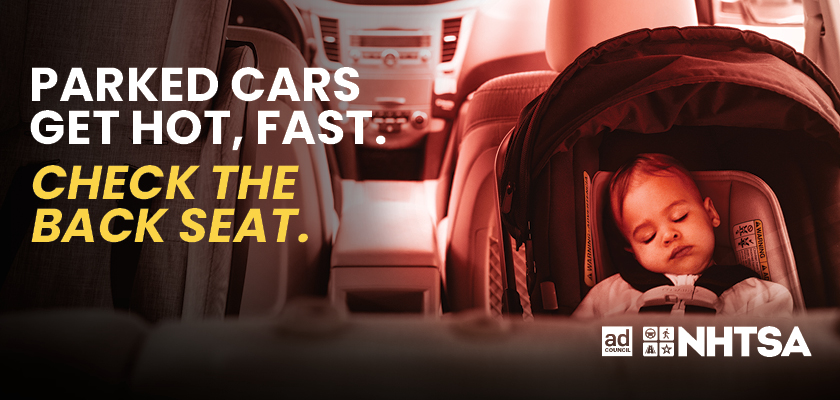
As summer approaches and the outdoor temperature increases, a danger looms for children- vehicular heatstroke (VHS), which is heat injury due to being in a hot car or other vehicle. These deaths are so preventable, and as a parent you may wonder how such a thing could happen, but vehicular heatstroke claims an average of 38 children’s lives a year in the US, with almost a thousand deaths since 1998.

Heat stroke is the most severe heat-related illness and occurs when the core body temperature is over 105.8 degrees Fahrenheit with signs of nervous system injury including confusion, seizures, and coma. Dehydration along with heat exposure can cause deadly heat stroke. Children are more at risk because they sweat less than adults and can overheat more quickly.

Vehicular heatstroke most often occurs when an adult ‘forgets’ a child in a car, often when the adult is on the way to work, intending to stop at childcare first. A change in routine such as a different parent doing the drop-off can also increase the risk. Parental stress or sleep deprivation can be contributing factors. Vehicular heat stroke can also occur if kids are playing in a car and accidentally lock themselves in.

The outside temperature does not need to be extremely high for vehicles to become dangerously hot. VHS has happened with outside temperatures as low as 57 degrees. A car can heat up 20 degrees in 10 minutes on a sunny day, and 72 degrees outside can become 117 degrees in a vehicle within 1 hour. Cracking the window or parking in the shade make little difference in term of the car heating up. Climate change also means more hot days and more extreme heat.

There are steps we can take to minimize the risk of this tragedy:

  • Never leave a child in a vehicle unattended even briefly
  • Make it a habit to open the back door of the car when you park, just to check the backseat.
  • Put some important item you need for your day- purse, iPad, employee badge, etc. in the back seat near your child.
  • Keep a stuffed animal or something similarly eye-catching in the car seat when empty and move it to the front passenger seat when the car seat is in use as a reminder.
  • Remember the phrase “Look before you lock”.
  • Instruct your childcare provider to contact a parent if a child is not dropped off as scheduled.
  • Keep car keys out of reach of kids, and teach them to never play inside cars, trunks, etc.
  • Teach your child to honk the horn if they are trapped inside a car.
  • If a child is missing, check all vehicles and trunks immediately.
  • If you ever see a child alone in a locked vehicle, call 911.

Resources

  • Prevent Child Deaths in Hot Cars / HealthyChildren.org
  • Extreme Heat: Keeping Kids Safe When Temperatures Soar / HealthyChildren.org
  • Kids in Hot Cars – Free Online Course / National Safety Council
  • Prevent Hot Car Deaths, Check the Back Seat / nhtsa.gov
  • Car Seat Safety > Heatstroke Prevention / cpsboard.org

more about The contributor

Dr. Elise Herman

Blog Posts
Profile

Dr. Herman is passionate about community health outreach, school programs, and child/family health and wellness. She has more than 31 years of experience as a pediatrician in Ellensburg, Washington, the last 3 with KVH Pediatrics. In 2022 Dr. Herman mostly retired from practice and continues to contribute blog posts and remain a visible advocate for kids in the community.

Primary Sidebar

Categories

  • KVH Stories
    • Patient Stories
    • Provider Stories
    • Donor Stories
    • Employee Stories
    • Volunteer Stories
    • Share Your Story
    • All
  • Blog Posts
    • Behind the Scenes
    • Childbirth & Family Education
    • Community
    • Health
    • Lifestyle
    • Provider
    • Safety
    • COVID-19
    • All
  • News & Media
    • KVH News
    • Weather/Disaster Notifications
  • Press Releases

Footer Top 1

HRSA National Health Service Corps Site

Footer Top 2

603 S. Chestnut Street - Ellensburg, WA 98926
509.962.9841

  • Facebook
  • Instagram
  • LinkedIn
  • Twitter
  • YouTube

Footer Top 3

Footer Bottom 1

Download the MyPatient Portal App
Apple Store Google Play Store

Footer Bottom 2

  • About KVH
  • KVH Legal Information
  • Price Transparency
  • Careers
  • Board of Commissioners
  • Contact Us
  • Foundation

Footer Bottom 3

  • Our Locations
  • Hospital Services
  • Clinics & Specialty Services
  • Patients & Visitors
  • Patient Policies
  • Events & Education
  • Press Releases

Footer Bottom 4

Google Translate