• Skip to primary navigation
  • Skip to main content
  • Skip to primary sidebar
  • Contact Us
  • Pay My Bill
  • Patient Portal
KV Healthcare

KV Healthcare

Your Home for Health

  • Find a Provider
  • Clinics & Specialties
        • Primary Clinics

        • KVH Family Medicine – Cle Elum
        • KVH Family Medicine – Ellensburg
        • KVH Home-based Primary Care
        • KVH Internal & Adult Medicine
        • KVH Pediatrics
        • KVH Women’s Health
        • KVH Rapid Access
        • Specialty Services

        • Anticoagulation Clinic
        • Addiction Medicine
        • Specialty Clinics

        • ENT & Allergy
        • Cardiology
        • Dermatology
        • General Surgery
        • Home Health
        • Hospice
        • Neurology
        • Podiatry
        • Orthopedics
        • Urgent Care
        • Urology
        • Vascular Surgery
        • Workplace Health
        • Wound Care
        • Therapy Services

        • Physical Therapy
        • Speech Therapy
        • Occupational Therapy
        • Cle Elum Therapy Services
  • Hospital Services
        • Services

        • Cardiopulmonary
        • Emergency Department
        • Imaging
        • Laboratory
        • Nutrition
        • Pharmacy
        • Surgical
        • Family Birthing Place

        • About Family Birthing Place
        • Class/Event Calendar
        • What to Expect
        • Birth & Family Education
        • Lactation Services
        • 4th Trimester Resource Center
        • Pregnancy & Infant Loss
  • Patients & Visitors
        • Patient Tools

        • Request Medical Records
        • Checking In
        • Language Services
        • Quality of Care
        • Patient Portal
        • Patient Safety & Security
        • Patient Policies
        • Insurance & Billing

        • Accepted Insurance
        • Price Transparency & Billing Services
        • Washington Health Plan Finder
        • Financial Assistance
        • No Surprise Act - Balanced Billing
        • Insurance vs. Self Pay
        • Bills from Other Providers
        • Pay My Bill
        • Visitors

        • Visiting Information
        • Mother’s Room
        • Café
  • About KVH
        • About KVH

        • About KVH
        • Mission & Vision
        • Board of Commissioners
        • Administration
        • Quality of Care
        • DAISY Award Program
        •  

        • News & Blog
        • Events & Education
        • Contact Us
        • Locations
        • Work With Us / Careers
        • Foundation

        • About the Foundation
        • The Foundation Board of Directors
        • Programs to Support
        • Ways to Give
        • Donate Now
        • Foundation Events
  • Donate Now
  • Pay My Bill
  • Patient Portal
  • Find a Provider
  • Clinics & Specialty Services
  • Hospital Services
  • Patients & Visitors
  • About KVH
    • Mission & Vision
    • Board of Commissioners
    • Administration
    • Contact Us
    • KVH News
    • Our Locations
    • Quality of Care
  • Careers at KVH
    • Culture & Mission
    • Education
    • Providers
    • Non-Clinical
    • Volunteer
    • Nursing
    • Professional Development
    • Clinical
  • The Foundation at KVH
    • Donate Now
    • About the Foundation
    • The Foundation Board of Directors
    • Foundation Events
    • Programs to Support
    • Your Impact
    • Ways to Give

KVH News

KVH Medical Arts Center remodel to improve healthcare access

HealthNews · May 24, 2019 ·

Kittitas Valley Healthcare will partner with VK Powell for the remodel of its medical arts center, which was acquired by the public hospital district in late 2017 as an impactful step in the district’s goal to improve access to healthcare for patients and visitors to Kittitas County. The contractor was accepted as low bidder at last night’s regular meeting of the KVH Board of Commissioners.

“We’re excited to see the strategic plan take shape in such a meaningful way,” says Commissioner Liahna Armstrong. “Our early focus on patient and community needs quickly uncovered a need for increased access, and for engaging the community. In fact, these two needs became strategic goals for the organization.”

The new facility plan is about much more than bricks and mortar; it focuses on improving care processes, as well as identifying new space for patient services. “Recent provider recruitment has been so successful that we do not have adequate space for incoming providers,” said KVH CEO Julie Petersen. “We have reached the point where our facilities are the limiting factor in being able to care for our community.”

Rather than continue with previous plans to build and expand facilities on the main KVH campus, the Board opted to integrate care services by using and improving existing locations in the community, taking a neighborhood approach rather than concentrating services in a single location. In addition to reducing construction costs, this decision allows KVH to increase collaboration, and to partner with services that might otherwise be seen as competitors, in the spirit of providing as much quality patient care to the community as possible.

KVH began the process of expanding and relocating services to the Medical Arts Center in the fall of 2018 when KVH Women’s Health moved into a temporary location on the first floor. The action taken at yesterday’s meeting will allow for construction to begin on the unoccupied remainder of the building.

When completed in early 2020, the Center will be home to KVH Family Medicine – Ellensburg, KVH Pediatrics and KVH Women’s Health, joining fellow tenants VM Memorial / North Star, Orthopedics Northwest and Canyon View Physical Therapy, who will continue to occupy space in the three-story building.

The KVH Medical Arts Center is located at 100 E. Jackson Avenue. View a video rendering of the future KVH Family Medicine – Ellensburg clinic at http://tinyurl.com/NewFME.
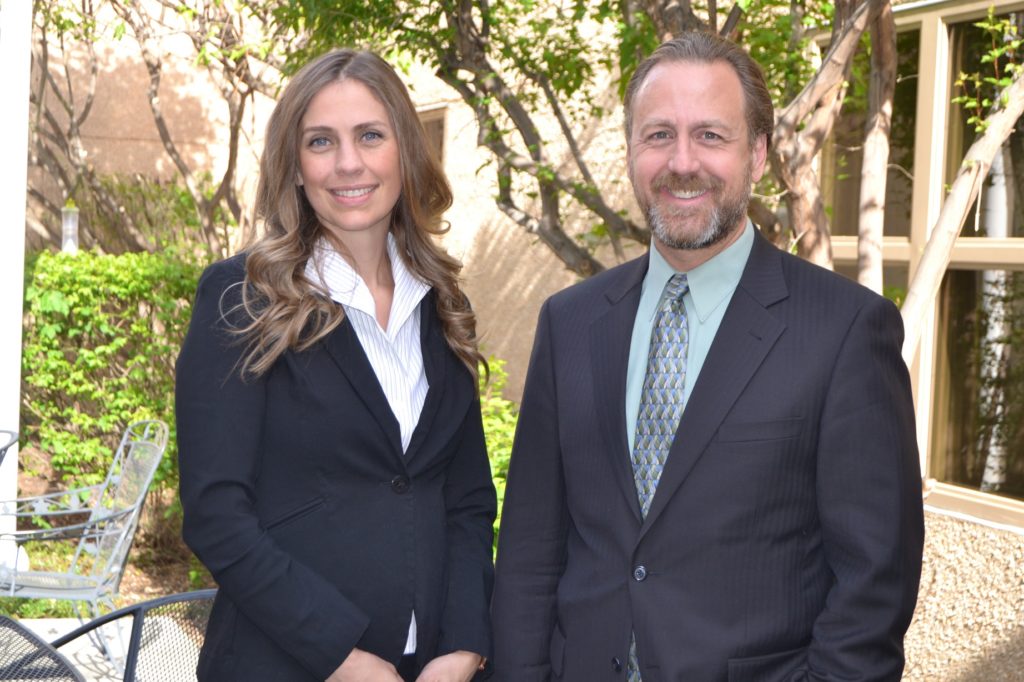
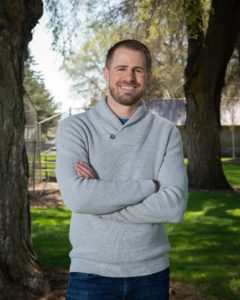
Behind the Scenes: KVH Commissioners

HealthNews · May 20, 2019 ·

Libenow Altman

We sat down with KVH Commissioners Matt Altman, President, and Erica Libenow, Secretary, to learn more about the work and role of the five-person board in serving and representing the community.

What is the Board of Commissioners at KVH?

Matt: It’s easy to say what we’re not, right? We are not running the hospital. We don’t hire and fire anybody except the CEO. We task the CEO with running the organization. We form the strategic goals of the organization, and oversee the administration as they accomplish or implement those goals.

Do you have different areas of focus or interest?

Matt: We take on areas based on our interests. Erica’s is community engagement. As a local doc with a small business, Bob Davis has perspective on how the business is run. And with my background in medical ethics and health care policy, I bring that interest to the board. So we each bring a certain expertise, with different perspectives.

Being able to follow your passions must make it more rewarding to serve.

Erica: It does, and the amount of material that we have learned—it’s been an education in and of itself. Just looking back on how far I’ve come is gratifying. It’s been a long process.

Matt: You learn a bunch of stuff, then you figure out that there are five other things you don’t understand, so then you go and learn that stuff. And then each one of those has five other things…

Erica: Rabbit holes in every direction.

You’re both busy individuals, why add board service to your lives? And how do your feel your backgrounds have prepared you to do this work?

Erica: I saw a need for a new perspective on the board. I asked my friends who I thought would be really good at it, but they were all very busy or had other interests they were pursuing. I thought, somebody has to do this. And then I realized that I was somebody! So I put my name in the hat.

You have your own health care background, Erica?

Erica: Not clinical, but I worked in dental and oral surgery for several years in patient relations, billing, and insurance. Now I’m going to nursing school. When I graduate in December, I’ll be looking at emergency care. Making a difference for someone in their time of need is a soul moving experience. 

And you, Matt?

Matt: I teach medical ethics to premed students at Central, and occasionally to med students at Pacific Northwest University of Health Sciences. I have an interest in issues around doctor-patient relationships, healthcare, and various other medical ethics topics. I was on the ethics committee at KVH for six years. I’ve also published a bit on healthcare. But personally, I realize how important the hospital is to the community. Both my kids were born here. I want to support it as best I can. This is my community and I want to invest my time and energy in contributing to the community; this seemed like the best way I could do that, given my background.

What does it mean to you to serve in an elected position?

Erica: I’m constantly listening. I try my hardest to be a voice for all who approach me. It’s about representation and working with my fellow board members to encourage improvement across the organization. We always strive for improvement.

Matt: We have things like Coffee with a Commissioner, where people can come and talk to us about concerns that they have. We try to represent their views as their elected representatives. But we also do what we can to shape the organization, to serve the needs of the community. We do our best to maintain high quality and keep KVH as a strong, independent community hospital.

One of our strategic plan areas is access. And so we’re trying to expand the number of services and access to those different services. We opened the clinics to new patients for the first time in many years. We’ve expanded therapy services. We have dermatology now, and occupational health and wound care. These are all attempts to serve the needs of the community as best we can.

Having all clinics open to accepting new patients is a major, visible accomplishment.

Erica: I’ve heard community members say they’re happy we’re accepting new patients. My perception is that we are approachable as commissioners and people seem to feel at ease talking with us. That’s so important, to remain receptive to people’s thoughts and ideas. It’s important to keep our ears open.

Matt: When we’re talking about fiscal responsibility, there are a couple of different ways to do it. One is to cut back and reduce expenses. But another is to expand services to meet needs and to try to keep people in the community getting quality care here rather than going elsewhere. That’s our approach, and that’s Julie’s (Petersen, CEO) approach – to tap into an untapped market, and try to keep people in the community, getting the high quality healthcare that we can offer.

How does the board help to fulfill the mission of KVH?

Matt: Well, one way is to establish the mission, right? A couple of years ago, we put together a new mission, vision, and values. The four pillars of that mission really encapsulate what the board is interested in. (1) Providing access to the community with new services and access to existing services. (2) Overseeing the financial sustainability of the organization so we can remain independent and focused on the community, as opposed to just an outpost of some larger organization. (3) Collaborating and partnering with all local providers rather than competing with them. Working together to provide the community with what it needs. (4) Engaging with the community, finding out their needs and then serving them as best we can.

Erica: When we did strategic planning and formed the mission, we sought input from the organization and community. People are invested in their ideas, so it just naturally flows that they would uphold a mission they helped create with their input. That’s a lot easier than determining a mission with no outside input and then hoping people will embrace it.

Matt: And each member of the board is tasked with overseeing one piece of that mission. We get together regularly with our partners in the administration who are carrying out the specific tasks that will accomplish those things.

What are the challenges of being a commissioner?

Erica: On a national level, health care is a bit of a swinging pendulum – it can be hard to keep up with the changes. On a local level, we must consider how change affects our organization and what we do as board members, while remaining nimble. It is a real challenge.

Matt: You have to have some decent grasp of finances, but you also have to have a decent grasp of politics and where healthcare policies are going, as well as a decent grasp of good science and what care we should be providing. You need to have some sense of HR and hiring practices, too.

Erica: It’s really highlighted to me how important it is to be a part of a team that you can trust. I’m very grateful that we have expertise in all our departments, people who know what they’re doing and can convey their understandings to the board in a way that makes sense to us.

What are the rewards of being a commissioner?

Matt: You’re actually doing something that has an impact on the community and on people’s lives. Personally, it’s rewarding because I’m learning so much and can bring my academic interest to bear on my work at KVH. What I learn here also informs the work I do on campus with students and other faculty and in my research. But the main reward is in serving people.

Erica: Serving patients, staff, and our community, knowing that the board is a way that they can have their voice heard. That’s why I set out to do this; to put it into action is rewarding.

Matt: It feels really good to work with competent people. If the board has questions, we’ll get those questions answered, clearly, in a timely manner. We know that when things come down from the CEO or the board that the people involved are going to do a good job of carrying those things out. And that amount of trust is really valued by the board.

What does it take to be a commissioner? What advice would you give on that?

Matt: Listen to what people have to say. Be inquisitive, and if you don’t understand something or you don’t agree with something, be ready to ask questions. You don’t want to be overbearing, but you also don’t want to be passive, because we do have a role to play as an elected board. Negotiating that balance can be difficult.

Erica: I agree with Matt.  Also, don’t be afraid to ask about “alphabet soup.” Maybe more than anybody else on the board, I’m like, “What does this acronym mean?” There are acronyms for acronyms! 

That’s something you have in common with many of us.

Erica: You just need to keep an open mind, ready to fill it with information. There’s so much to learn, and I don’t anticipate that that’s ever going to change. Every encounter I have as a commissioner, there’s tons of learning going on. And that’s the way it should be.

How would you like people to remember this board’s accomplishments and your service here?

Erica: As the board that was devoted to serving the community. I hope we are remembered for improving and increasing opportunities and services so people can stay local for care. We have a lot of talent here that people outside of KVH might not be aware of. When I was running for commissioner, there was this concern that KVH was going to be swallowed up by a larger entity. The community was very clear that we should stay independent, and I intend to hold that banner up as long as I serve.

Matt: One of the things that’s been a guiding principle from the beginning is an appreciation of what people do on a day-to-day basis. Those who do the work to give patients the excellent care that they deserve. Nurses and housekeeping and doctors and lab technicians and everybody else – the organization can’t function without them. So, one of the things that I want to accomplish as a board member is to turn the focus back on staff and away from administration, who are also important but already pretty visible in the community.

Erica: Can I cosign that? It’s true. And I feel that deeply – an appreciation for frontline staff and less visible heroes of the organization.

Matt: If we want to talk about strategy, I think the board is going to be remembered for being able to operate in a financially responsible way, and, as Erica said, maintain that community focus and the independence of the hospital in a time of great challenges in health care.

I was just at an American Hospital Association meeting in DC, and there are independent community hospitals all over the country that are closing. It’s incredible. There’s this great pressure to consolidate, to be swallowed up by large organizations, but we’ve hired a CEO with a very good strategy for growth and financial sustainability. We’ve increased the footprint of KVH in the community with some strategic building purchases, and we’ve increased and expanded services. So I think that our big legacy is maintaining independence while growing services in a challenging time.

Not just surviving, but thriving. Right?

Matt: Yes. And if you want to attribute that line to one of us when you write up this interview…

Anything else that you would like to add?

Erica: Just an expression of gratitude for this organization. I feel fortunate that of all the places to serve, this is the board I serve on.

It is a great place to work. Thank you both for your service.

Josh Kirk

HealthNews · May 7, 2019 ·

Josh Kirk

“I like art. I like science. Dentistry is a perfect blend of the two.”
 
Dr. Josh Kirk’s childhood was cavity-free. “It was always fun. I loved getting my teeth polished. I still do.” But at 16, Kirk was surprised when a dentist started to numb his mouth without telling him why: he had his first cavities. Kirk left abruptly, and returned to his childhood dentist, who performed the procedure. “He did a fantastic job,” says Kirk, who still has those first fillings.

For Kirk, that childhood experience was also a lesson in the importance of provider/patient communication.
 
These days, you’ll find 33-year-old Kirk at his own bustling practice, Mountain View Dental Center, where his wife, Amy, also works as office manager. “I couldn’t do it without her,” admits Kirk, who spends roughly ten hours a day in patient care. 
 
The couple first met in dental school: Kirk was a student, and Amy on staff. “I knew right away I wanted to marry her,” declares Kirk. And so they wed, and soon after moved from Arizona to Texas, where Amy experienced her first snow. “It snowed a lot there, actually,” he recalls. “We got tornadoes, blizzards, extreme flooding. It was incredible! The northwest seems mild by comparison.”
 
The couple moved to Ellensburg in 2017 with their son James, now three years old and big brother to ten-month old Julianna. The move brought Kirk back to his roots. Born in Kennewick, his parents live in the Tri Cities. “But my mom went to college here, and so did I. So did my siblings. We’re all honorary Ellensburgians,” Kirk grins.
 
Last year, the extended family was celebrating Thanksgiving together when Kirk noticed a protrusion in his lower abdomen. “I don’t know how it happened,” he jokes, “but I’m sure that the second helping of turkey didn’t help. It didn’t hurt at first, so it’s hard to say when or how it began.” 
 
Over the next few weeks, the inguinal hernia continued to grow and become painful. After a consult with Dr. Tom Penoyar, Kirk was scheduled for surgery.
 
“He told me it could be done laparoscopically,” recalls Kirk, who was then given written instructions for the days leading up to his surgery. Kirk was grateful for the details. “It’s all good information to know. I’d hate to schedule surgery, take time off work, and then need to cancel because of something I hadn’t done correctly.” As a dentist, Kirk regularly performs in-clinic surgeries. Now in the role of patient, despite his jovial nature, Kirk was serious about preparing for his own procedure.
 
When the day for surgery arrived, Kirk answered routine questions while being prepped for surgery. While he describes the staff as professional, “I could tell everybody was in good spirits. I was happy to be there.” Kirk has nothing but praise for everyone involved – from check-in, to pre-op, to the OR where the nurse anesthetist explained his process to Kirk, and the nurse started an IV.
 
When he woke up after surgery, Kirk felt nauseous, a typical side effect of anesthesia. “They gave me all the time I needed,” says Kirk, “and brought me some gentle foods, including chocolate pudding – my favorite.” A short time later, Kirk was ready to leave. Amy drove him home and got him in the recliner.
 
Dedicated to his patients, Kirk returned to work the following Monday. It might have been a little too soon. “I only missed two days of work, but that first day back was tough,” he says.
 
After a visit with Dr. Penoyar two weeks later, Kirk was officially cleared for all activity. And Kirk is nothing if not active.
 
Already an avid cyclist and runner, Kirk put mountains on his 2019 bucket list. After climbing Mt. St. Helens with his brother-in-law in 2017, this year, the two plan to tackle Adams, Baker, and then Rainier. “That’s the big one,” Kirk says, eyes shining with anticipation.
 
As a life-long learner who embraces new challenges, no one who knows Kirk doubts he’ll scale any obstacles in his way. Now fully back on his feet, he’s eager to let the community know about the quality of “awesome care” he received.
 
“What would that say about me, if I’m asking people to come to me as a local provider and yet I’m not willing to receive local care?” Kirk asks. “You have a choice. You can stay local and support your community, people that live down the road from you. So, why not? Give them a chance. They won’t let you down.”

AAFP interview

HealthNews · May 7, 2019 ·

Dr. Merrill-Steskal talks with AAFP News about keeping adolescent immunization rates high. Find highlights here: https://www.aafp.org/news/health-of-the-public/20190424vaccineq-a.html

KVH Speech Therapy & Occupational Therapy to Showcase New Facility

HealthNews · May 2, 2019 ·

KVH Speech Therapy and KVH Occupational Therapy invite the public to tour their new facility at 309 E. Mountain View Ave. on Tuesday, May 7 from 4-6 p.m.

Moving from their previous 2nd Street location to Mountain View Ave. allows our therapy teams to expand and upgrade the services offered to the community.  New features include pediatric gyms, a sensory room, and a lymphedema treatment room. The new facility also includes several offices for speech therapy, children’s therapy, and women’s pelvic health.

KVH speech therapists provide individualized treatment to enhance the communication, oral motor skills, swallowing, and feeding skills of adult and pediatric patients. KVH occupational therapists work with people of all ages who, because of physical, developmental, social or emotional problems, need specialized assistance to lead independent and productive lives. Occupational therapy helps people maximize their abilities and provides skills for everyday living.

The Open House will provide an opportunity for the public to tour the new facility, see some of the services first hand and to meet the dedicated professionals working in this program. Light refreshments will be provided.

Behind the Scenes: Volunteer Services

HealthNews · April 11, 2019 ·

Gift Shop Volunteers

We sat down with Debby Crull and Carolyn Jennings to learn about gift shop volunteers at KVH Hospital. Both women have an employment history that includes working at west-side grocery chains. One of them was a jail cook. One was encouraged to work here by her son and daughter-in-law, who are both KVH employees. One worked in the hospital kitchen, and now also volunteers with Hospice Friends. You can find out who did what by engaging them in conversation at – where else? – the KVH gift shop. (Photo, L to R: Carolyn and Debby, and their trademark smiles.)

Ladies, you have something besides Safeway in common: clearly, you like to stay busy.

BOTH: Oh yes, definitely.

Tell me about the work that you’re doing in the gift shop.

DEBBY: We wait on customers. We receive order shipments, pre-price them and put them out for sale. We work with the manager [Jonna Hiner]. And wait on the public, and the employees that shop at the gift shop.
 
Do you work different hours when there’s a special sale happening?

DEBBY: We had a Pajama Party night. That was exciting.

CAROLYN: And then we’ve got a Garden Party coming up on May 4th. We’ll be serving tea and shortbread.

Have either of you volunteered in other areas besides the gift shop?

DEBBY: I stock the patient care kitchens and department kitchens on Wednesday afternoons. And I’ve been doing that for almost 12 years. I saw it in the paper, you know, about volunteering here. And then I knew somebody that volunteered here out on the desk. 

Is there anything that you feel people misunderstand about what it’s like to be a volunteer?

CAROLYN: Well, I know I didn’t understand what a volunteer was until I started. While I’ve been here, I’ve watched the courtesy desk folks across the hall from us. They take care of patients really well, and make sure they get whatever help they need. They’re always polite and nice. But I just wanted to learn how to make coffee! (Laughs)

DEBBY: When I retired from the kitchen, I really wanted to go into the gift shop and then do the coffee, also.

What are the challenges of being a volunteer?

DEBBY: If you’re brand new, it can be confusing to learn everything, especially the register.

CAROLYN: Yeah. I’d say about the same thing. I don’t have a computer at home. So learning the automated sales system was challenging. That’s why I went to two days a week, to get more experience. The more I do it, the easier it becomes. Jonna is really helpful to us, and so is Debby, if I have any problems or anything like that. That was one of my concerns and one of my fears, but everyone has been great. You never once made me feel inadequate or incompetent or anything.

CAROLYN: Used to be, I was in the coffee shop and I’d wait on customers when they came. But in the gift shop, I can answer questions. I can help. There’s been some days we talk with customers and they wind up buying out the store. That’s fun.

DEBBY: It’s fun to communicate with them and they come in with stories for us.

CAROLYN: Usually everybody’s real happy to be shopping. That helps.

DEBBY: It’s good to be around people.

CAROLYN: You get all kinds of people shopping here. Some are happy, some aren’t. Some are having troubles, and, you know, we got that thing (HIPAA) where we can’t ask them any questions. Some of them come in, you know, their hearts are broken, they’re hurting. And so you have to judge carefully, so that you don’t ask inappropriate questions, but at the same time you give them the encouragement and the help that they need.

That’s one of the things that makes what you’re doing different than if you were doing it somewhere else. Having it in a healthcare environment, where all these things are going on.

CAROLYN: I think it’s more personal with healthcare. When I worked behind the Safeway counter and dealt with people, you just said “Hi, how are you doing?,” and asked them what they needed, and then they left and went their way. But here, you get more interaction.

CAROLYN: I think the gift shop is very important to the hospital. It gives an opportunity for people to relax, and have that emotional safety. Many times for the folks who come in, there are really serious problems with their families and whatnot. So this way they get a chance to be in this space and focus their minds on something else for a while, if they want to.

Thank you for sharing that because I’ve never heard that before. And that’s a big deal.

What are the rewards of working where you do?

CAROLYN: Oh, we have too much fun. Too much fun. I mean we enjoy the people, we enjoy each other. And working with Karen Schock is great, too. I’ve been with her for 10 years.

DEBBY: It’s a fun little job –

CAROLYN:  – and you go home, relax –

DEBBY: – you’re not stressed out…

I think I’m gonna come volunteer in the gift shop. (Laughter)

So, what does it take to survive a day in the gift shop?

CAROLYN: Well, just enjoy what you’re doing.

DEBBY: You have to be outgoing and friendly and you have to enjoy people.

CAROLYN: And you have to not be afraid to ask them questions.

DEBBY: “Are you looking for anything special?”

CAROLYN: Some days I do really good at that and other days I forget.

As a team, what qualities do you all possess?

CAROLYN: Well, for one thing, we’re patient with one another. I mean, there’s times I get real nervous with the cash register and they’re always kind, and suggest, “Well, let’s do this, and let’s try this.”

So you show each other some grace when you’re struggling.

CAROLYN: Yeah. I guess that’s the word. Grace, and we giggle together a lot. We just have fun. It’s definitely teamwork. We don’t get nervous with each other, we don’t get upset –

DEBBY: We thank each other for everything.

You’re like your own little family.

DEBBY: Yeah. We have our own little family. And by the way, we need more family members. We still have some days that need four-hour volunteers.

Okay. I’ll make sure to include that.

Wellness Goals

HealthNews · March 27, 2019 ·

KVH Contributor*
Auren O'Connell 
Auren O’Connell, DNP, PMHNP
KVH Family Medicine – Cle Elum

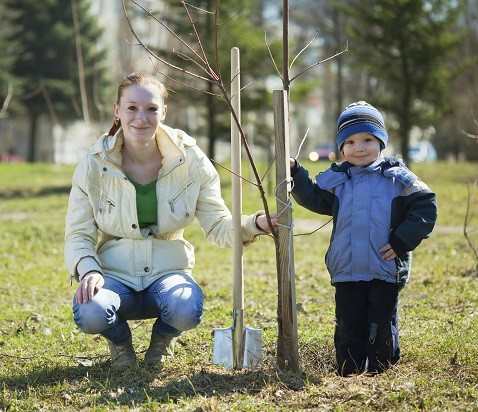
Planting Trees

SMART goals come in all sizes – but even smaller actions can have big results! 

It is spring! How are you feeling? Excited, sad, happy, anxious, tired, energized?

Whatever you are feeling, if you were able to instantly identify your mood in this moment, then half the battle is over – so, good job! What truly matters is whether or not you want to continue feeling the way you are now.

Are you desperate for change?

All of us have been desperate for change at one point or another in our lives. This is why many of us create New Year’s resolutions, but in my experience, such resolutions often amount to nothing more than a frustrating tradition, when we feel stuck in our ability to solve a problem or accomplish a goal. At times, even annual medical visits can seem like a tradition that leads to frustration.

How do we bridge the gap from frustration to confidence and achievable goals?

Big, audacious, and long term goals are typically created with the SMART acronym in mind:

S: Specific (state exactly what you want to accomplish)
M: Measurable (use smaller markers to be able to measure progress)
A: Attainable (think big, but keep it reasonable)
R: Relevant (set a goal that will be relevant to you all year)
T: Timely (allocate enough time and set a time block or target date)

There are whole workshops dedicated toward creating SMART personal goals, but I want to challenge you to create a SMART goal that you can achieve today or tomorrow. Also, I encourage you to start your goal with “Today I will…”

  • “Today, I will read an enjoyable book called ‘Teaming’ for 15 minutes, from 9:45 to 10:00 p.m.”
  • “Tomorrow morning, I will do stretching, breathing exercises, and 50 push-ups and sit-ups from 6:45 to 7:00 a.m.”

(Avoid: “if I have time,” “maybe,” “if the weather allows,” or “I would like to.”)

As I write these goals out, I literally went from feeling tired to feeling empowered. These are bite size goals that represent small steps towards my long term New Year’s resolution goals.

You may have a goal to lose weight, be more active, or have more energy. If you are feeling frustrated in your journey, keep in mind, you can create an attainable SMART goal in just a few minutes.

In addition to bite size goals, try to find one pleasant activity to engage in on a daily basis. This pleasant activity may take 5 minutes or 5 hours.

Maybe it is petting your dog or cat, taking a warm shower or bath, calling a family member or friend, or just sitting in a nice chair and taking a few moments to clear your mind.

As we develop SMART goals, we become unstuck and begin to bridge the gap from frustration to achievable goals. It doesn’t matter how small or big your goals are, all that matters is that your goals are being accomplished in (hopefully) a SMART and intentional pursuit.

I would encourage you to plan for an annual visit with your primary care provider in 2019 if you haven’t already done so. This may be your first SMART goal, but during your next visit with a nurse or medical provider, share a couple of your SMART goals and pleasant activities that you have been engaging in. If you still feel stuck, frustrated, or completely lost by this exercise, feel free to reach out to your provider for help.

*Opinions expressed by KVH Contributors are their own. Managed by Kittitas Valley Healthcare, HealthNews does not provide medical advice. For medical advice, please see your healthcare provider.

Behind the Scenes: Health Information Management

HealthNews · March 26, 2019 ·

We recently sat down with HIM employee Cindy Ness to discuss the history and value of medical records management.

Cindy Ness

Photo: Her coworkers affectionately refer to Cindy as “mother hen,” texting her when they they’re late or not coming in to work. She’s also the only HIM staffer who can keep plants alive, as evidenced by the row of (everyone else’s) plants on her desk.

Okay, let’s talk shop. What is health information management?

First we were Medical Records (MR, or “mister”). Now we’re Health Information Management (HIM).

We’re responsible for coding charts, which are turned over to the insurance companies, then returned to us as revenue. Our coders play a huge role in financial wellness of the organization. And I don’t know if enough people really understand that part of it.

Three techs on our team analyze charts to make sure they’re complete before they get to the coders. If there’s something lacking, like the provider forgets a progress note or didn’t sign something, we apply a deficiency to ensure the provider completes what they need to.

Then we’re able to pass things onto the coders. They can do their job and just code. Back in the day when we had paper charts, the coders would flag all the deficient places and hand wrote the codes. We didn’t have computers. Everything was done on ledgers, on paper. When the hospital got its first fax machine, it was in our department. They wanted a secure location for it, to protect privacy.

And that’s another part of what we do. Privacy. Cynthia Kelly, our department director, is the KVH privacy officer. She investigates potential health information breaches. Plus, she keeps us ducks going down the stream in the right direction.

Release of information. That’s another big thing we do. A patient asks for copies of their record, they fill out a release of information and we provide the copies.

I also do birth certificates. That’s really changed over the years. Before you had this big long form, you put it on a typewriter and typed it out. If you made a mistake, you start over. Now there’s a website where you securely submit the information.

Health information management is multi-layered. There’s a lot to us. We’re small, but we’re mighty.

So things come to you from various areas, departments, clinics, including external clinics?
 
Yes. If they have privileges here, we often process their paperwork, because they don’t have an electronic connection with us, so to speak. External providers can chart here in the hospital electronically, but if they have office notes that come over, we scan those in. Also, any external provider who wants lab or imaging work done and their patient chooses to have it done here, those are paper orders also, so they need to be scanned in. Anything that comes from the nursing home or even from providers from Seattle or Yakima or Spokane, if the patient lives here and their specialist wants specific tests done, we can do them here. Saves the patient from having to go out of town.

Where is HIM in the flow of patient information? You’re the last stop?

Pretty much. We really are.

And you’re housing the information, so it needs to be complete because you are retaining the record?

Right. And, if something happened incorrectly upstream from us, we catch it and then we have to figure out what happened and how to fix it, and hopefully get everybody on board in the same direction.

Now, am I misremembering that you used to do transcription?

You are correct. I used to do transcription. That was what I was hired for originally.

And was that within medical records?

I’ve been in the same department my entire career here. Which is 31 years and two months.

But who’s counting?

Exactly.

Transcription was done with a typewriter and a transcriber and a micro cassette. The providers could use the telephone. There was a series of tapes. One would kick over for recording, it would get four dictations on it and then it booted over to the ready to transcribe side. And so they were able to call from pretty much anywhere, into the dictation system.

Then it progressed to a display typewriter, and then to our first computer. Then we ended up with speech recognition. We’d read along to make sure we caught everything, cleaned it up, made sure it was accurate and everything was spelled correctly, and then that was the final product. So basically we were the gatekeeper, making sure everything was pretty and nice and correct. Then we went to physician documentation, and my role was to create the templates that the doctors used and set them up to gather all the information that was needed to make the record complete for coding and other purposes.

I miss doing transcription. It was always a challenge. I learned something new every day and I enjoyed it very much. And I know the doctors really appreciated the quality of work that we put out. That’s really rewarding, providing a product that’s correct and accurate and readable, and even though we weren’t providing direct patient care, we were that checkpoint to make sure it was accurate.

From your perspective, what are the challenges of health information management?
 
Accurate and adequate documentation. For the coders to do their job, they need to have specific items within a document in order to assess the appropriate level of care that the provider provides. And so if they miss one of those pieces, it lowers the level of care value.

What would you consider the rewards of working in health information management?

I work with an absolutely fabulous team. Everybody is so positive and upbeat. We have a real cohesiveness and it’s fun to go to work. It’s neat to watch my younger teammates grow in their careers. To see people grow and learn new things. Health information management is not static. That’s for sure. It’s ever changing. And it keeps changing.

What qualities does it take to do well in HIM? Is humor important?

Oh, yeah. When we’re reviewing charts, some of these things are pretty sad. And if you don’t have a sense of humor to balance that sadness, you’re going to be in trouble.

I would think attention to detail is important.

Yes! You have to really be on it, and don’t be afraid to ask questions to find out what’s going on.

Working in HIM, seeing all this patient information you have, you have to be a trustworthy group. You have to keep things confidential.

Let’s put it this way. My husband quit asking me, “How was your day at work?” Because I couldn’t tell him.

You were here when HIPAA laws went into effect. Was that a big change in how you did things?

No, because we already worked hard to protect our patients’ privacy. Prior to HIPAA, if you had a friend who was admitted to the hospital, they’d say “Come by and see me.” So, I’ve explained to people, “I’m trying to respect your privacy.” You have to be very careful. I’m not on Facebook anymore, but when I was, I never said anything about anybody that I saw in the hospital. You just can’t. It’s a fine line of working in a healthcare facility and being a member of a community; it can be difficult at times.

How to Raise a Great Kid

Elise Herman , MD · March 18, 2019 ·

KVH Contributor*
Elise Herman
Dr. Elise Herman
KVH Pediatrics

There are lots of parenting books and websites out there, but in trying to keep it simple, here are some tips on how to raise a great kid:

Talk and sing to your baby while you hold, feed or play with him; eye contact and face to face interaction promotes brain development.

Start books early with your baby and read to her every day – make it part of the bedtime routine.  If you speak a second language at home, read books in that language, too.

Get outside with your child every day (unless absolutely too cold, icy, etc.) – good for kids and adults!  Getting outside is healthy exercise and good for us emotionally as well.

Start family meals with your child as soon as she starts eating solids (4-6 months) and continue through adolescence. Family meals promote healthy eating, connection with each other and have been shown to decrease risky behaviors in teens.

No screens (other than looking at photos or doing video chat such as Skype, though even this should be limited) until 2 years. Avoid fast moving content such as cartoons and stimulating videos, which has been shown to lead to trouble paying attention later in life. Slow moving content such as Mister Rogers/Daniel Tiger makes more sense to kids. Avoid YouTube especially if you are not watching with your child since you do not know what will be ‘recommended’ for him to ‘watch next’.

Put your phone or other devices away when with your child. We adults miss out on valuable interactions with our kids when we are distracted by technology. We are sending a clear message to them that they are not as important as the phone, etc. And of course our kids want to imitate us and be on a phone, too – not what we want to encourage!

Establish routines for meals, naps and bedtime. We all thrive with a predictable routine.

Play with your child – really play!  Channel your inner child, pretend, be silly, play dress-up, play tag. Let your child lead and encourage unstructured play with her peers; the adults can be nearby but not directing/controlling what happens. Play has been called “the work of childhood” because it is so important to kids.

Praise good behavior right at the time you see it.  Ignore the little things he does “wrong” but be consistent if there is a real problem – hitting, disrespect, etc.  Spanking is not effective discipline but having a “time-out”, taking away privileges and natural consequences (for example if a child throws food off the high chair tray and he has been told not to, meal time is over) are.  Stay calm; yelling is scary and bewildering to kids.

Chores make kids feel valued and also encourage a sense of family responsibility. Kids learn how good it feels to help out and to be counted on.  When they (eventually!) leave home, we want them to have the skills to be independent adults. Yes, that means scrubbing the toilet!

Wait until your child is at least 14 years old to have a cell phone (Microsoft CEO Bill Gates’ recommendation!), and many experts suggest a flip phone (no Internet) for at least one year to see if the child is responsible enough for a ‘smart phone’. Better yet, ask why she ‘needs’ a smart phone. Given the risks of social media (anxiety, depression) and the negative effect on reading, getting outside, family time, etc. it is reasonable to avoid the smart phone until much older.  Your child may not be happy, but is a parent’s job to do what is best for the child, not to make him happy.

Elise Herman, MD, is the mother of 2 terrific kids who are by no means perfect!

Managed by Kittitas Valley Healthcare, HealthNews does not provide medical advice. For medical advice, please see your healthcare provider.

Behind the Scenes: Human Resources

HealthNews · March 11, 2019 ·

Human Resources

We recently sat down with Jenn Strater and Marlo Willis, the two most veteran members of KVH’s Human Resources team, to learn about the function and flow of HR in a healthcare environment.

What is human resources?

Jenn: In some form or fashion, we are responsible for employees before they walk in the door until they walk out the door. Everything that happens in their life cycle here at KVH, HR touches.

Marlo: HR is employee oversight. Personnel files. Benefits, wages, compensation, policies you’re held accountable for. Retirement documentation. It’s the ultimate record of your time here at KVH.

HR has a lot of moving parts. Do you cross train to cover each other, or how does that work? 

J: It’s unacceptable for somebody to come in and say, “I want X,” and for our answer to be “Sorry, Marlo’s gone.” Nobody responds well to that. So all of us know how to do the basics. We can at least give the person a place to start.

M: People who have been here a long time think, “I have to talk to Marlo.” Well, no, you don’t have to talk to Marlo. Cheyanne can help you.

Kind of like triage?

M: Sure. In a sense that’s what it is. She might be able to help the person right away.

What do you wish people knew about working in HR?

M: We’re not a party planning committee. I think people think HR just plans parties, but there’s a whole professional side of HR.

You have to know a lot in your day-to-day work.

J: And be prepared for anything. You never get the same day twice. You have no idea what’s going to be walking through that door.

M: People come and go. And so you deal with all of it. Employees concerned about leaves and sickness and whether their pay runs out.

J: These are important aspects of a person’s life and career, and HR is woven into that. So we are a place to go, whether things are going well or they’re unraveling.

You’re the safe place for a lot of people, right? Or, when you don’t know where to go, go to HR.

J: Right. Anybody can come into our office, share their joys and frustrations, and know we’re going to treat you the exact same way the next day.

And how do you support each other?

J: Things can feel incredibly overwhelming if you don’t have people that you trust there with you. We allow ourselves those “offstage” moments with each other.

M: I don’t think it’s any secret, Carrie, Jenn and I have worked together for a long time. We have to find people like Cheyanne and Dan and Karen and Babbi, who have been good additions to our team.

J: We’re a balance of strong personalities, people pleasers, doers, and conceptualizers. It’s a good blend.

How did you get into HR, and what’s been your career path at KVH?

M: I was graduating from Central, and my husband loved the police department here. I didn’t have any experience, but I had a management degree. Andy Shock was the OR director. He hired me for an internship in the OR. (Thank you, Andy!)

J: What did you do?

M: I did clerical, nurse scheduling, time cards. Then I worked for the Foundation, Accounting, and Registration. Once they added an FTE to HR, I just fell into it. I was the HR assistant, then I took on payroll and benefits. We were small, with 167 employees. I’ve done everything in HR, benefits, coordinator, backup director… And now I’m at the end of my career. (Laughs)

HR has been a good fit for you.

M: I always felt it was good, because of the variety of roles I had at KVH. I could speak to an FTE situation, or about working the evening shift. I knew what all that meant because I’d lived it.

How did you get into HR, Jenn?

J:  I always knew I’d wind up in business. I don’t like math and I don’t like science.

There’s math in business.

J: Yeah. But the computer does it. I went to school for got my AA, then decided I didn’t like school and went into customer service. It was interesting, but there was no opportunity to grow. I thought, there’s got to be more to this thing called life. So I went back to school. I took a basic HR class, and my professor, James Avey, told us, “You have the ability to change lives.” That got me really excited. I got my degree, then I saw a posting at KVH for an intern to fill in whilst the HR assistant was out on maternity leave. I applied –

And they didn’t get rid of you.

Yeah, it was awesome. I had a lot of fun. Then when that individual decided not to come back after maternity leave, I applied for the full time position and haven’t looked back. I was HR assistant for eight years, and now recruiter for two.

How is HR different in a healthcare environment?

M: HR healthcare is the Cadillac of HR. A lot of companies have one HR person and they do everything but nothing in-depth. In healthcare, we have unions and so much going on, and specialties, we really go deep in our roles. Healthcare is a cool industry to be in and it changes so much. We’re constantly having to keep updated and really connect with other hospitals.

J: And we have a national organization for healthcare human resources. That’s not true for a lot of industries. I would hazard to guess there are more people in a healthcare environment because we don’t have just full time or part time, we’ve got per diem and –

M: We’re a unique environment –

And it’s 24-7-365.

M: It’s kind of fun to be in HR.

J: Yeah, it is. And we’re hiring people that have a direct impact on our community. We’re hiring the people that are going to take care of my grandma.

What are the challenges of human resources?

M: Actually, our main challenge is the same as the other areas of healthcare: the rapid pace of change.

And the rewards?

J: Every day that I get to extend a job offer, that’s a great feeling. You can’t beat it.

M: It says a lot that we have so many employees with longevity. The reward is that we’re a good employer and try to educate managers to support their staff. We have good policies, benefits, pensions. We have all of that. So employees want to stay.

J: KVH has a lot of people like Marlo who started in one area and worked their way to the next stepping stone in their career. That’s the case for all but one of our nursing directors, and many other KVH directors and managers, too.

What I would love about HR is that you meet everyone.

M: Yeah, we get access to everybody.

And it just feels good to know, hey, that person’s here and they’re taken off and they’re doing well.

M: I love that. And if you have a question, come in and ask the question. We’re not scary. It’s okay. Email us. What do you need? What might I be able to answer? At least I can point you in the right direction. You know, it’s nice to be able to answer questions. But it’s also fun to occasionally plan parties. (Laughter)

What do you put in your HR go-bag to survive day at work?

M: A cup of coffee.

J: And patience.

M: I have to remember not to react to anything, and just listen –

J: – and always remember that there’s two sides to every story.

Anything else you want to add?

J: Goodness Gracious. I think we’re awesome, but we couldn’t do it without the entire team.

M: We do a lot, and I think we forget to toot our own horn.

Maybe somebody needs to plan a party for you.

It takes a village. KVH Human Resources Division includes:

Dan, HR Benefits & Wellness Coordinator
Jenn, HR Recruiter
Marlo, HR Business Partner
Cheyanne, HR Division Assistant
Carrie, Director – Human Resources
Karen, Director – Volunteer Services & Cancer Outreach Coordinator
Arla, Staff Development RN
Babbi, Staff Development RN
Lacey, Staff Development RN

  • « Go to Previous Page
  • Page 1
  • Interim pages omitted …
  • Page 13
  • Page 14
  • Page 15
  • Page 16
  • Page 17
  • Interim pages omitted …
  • Page 20
  • Go to Next Page »

Primary Sidebar

Categories

  • KVH Stories
    • Patient Stories
    • Provider Stories
    • Donor Stories
    • Employee Stories
    • Volunteer Stories
    • Share Your Story
    • All
  • Blog Posts
    • Behind the Scenes
    • Childbirth & Family Education
    • Community
    • Health
    • Lifestyle
    • Provider
    • Safety
    • COVID-19
    • All
  • News & Media
    • KVH News
    • Weather/Disaster Notifications
  • Press Releases

Footer Top 2

603 S. Chestnut Street - Ellensburg, WA 98926
509.962.9841

  • Facebook
  • Instagram
  • LinkedIn
  • YouTube

Footer Bottom 1

Download the MyPatient Portal App
Apple Store Google Play Store

Footer Bottom 2

  • About KVH
  • KVH Legal Information
  • Price Transparency
  • Careers
  • Board of Commissioners
  • Contact Us
  • The Foundation at KVH

Footer Bottom 3

  • Our Locations
  • Hospital Services
  • Clinics & Specialty Services
  • Visiting Information
  • Patient Policies
  • Events & Education
  • Press Releases

Footer Bottom 4

Google Translate