• Skip to primary navigation
  • Skip to main content
  • Skip to primary sidebar
  • Contact Us
  • Pay My Bill
  • Patient Portal
KV Healthcare

KV Healthcare

Your Home for Health

  • Find a Provider
  • Clinics & Specialties
        • Primary Clinics

        • KVH Family Medicine – Cle Elum
        • KVH Family Medicine – Ellensburg
        • KVH Home-based Primary Care
        • KVH Internal & Adult Medicine
        • KVH Pediatrics
        • KVH Women’s Health
        • KVH Rapid Access
        • Specialty Services

        • Anticoagulation Clinic
        • Addiction Medicine
        • Specialty Clinics

        • ENT & Allergy
        • Cardiology
        • Dermatology
        • General Surgery
        • Home Health
        • Hospice
        • Neurology
        • Podiatry
        • Orthopedics
        • Urgent Care
        • Urology
        • Vascular Surgery
        • Workplace Health
        • Wound Care
        • Therapy Services

        • Physical Therapy
        • Speech Therapy
        • Occupational Therapy
        • Cle Elum Therapy Services
  • Hospital Services
        • Services

        • Cardiopulmonary
        • Emergency Department
        • Imaging
        • Laboratory
        • Nutrition
        • Pharmacy
        • Surgical
        • Family Birthing Place

        • About Family Birthing Place
        • Class/Event Calendar
        • What to Expect
        • Birth & Family Education
        • Lactation Services
        • 4th Trimester Resource Center
        • Pregnancy & Infant Loss
  • Patients & Visitors
        • Patient Tools

        • Request Medical Records
        • Checking In
        • Language Services
        • Quality of Care
        • Patient Portal
        • Patient Safety & Security
        • Patient Policies
        • Insurance & Billing

        • Accepted Insurance
        • Price Transparency & Billing Services
        • Washington Health Plan Finder
        • Financial Assistance
        • No Surprise Act - Balanced Billing
        • Insurance vs. Self Pay
        • Bills from Other Providers
        • Pay My Bill
        • Visitors

        • Visiting Information
        • Mother’s Room
        • Café
  • About KVH
        • About KVH

        • About KVH
        • Mission & Vision
        • Board of Commissioners
        • Administration
        • Quality of Care
        • DAISY Award Program
        •  

        • News & Blog
        • Events & Education
        • Contact Us
        • Locations
        • Work With Us / Careers
        • Foundation

        • About the Foundation
        • The Foundation Board of Directors
        • Programs to Support
        • Ways to Give
        • Donate Now
        • Foundation Events
  • Donate Now

children

Bad Breath in Children

Elise Herman , MD · February 3, 2025 ·

As a parent, you may occasionally wonder how your sweet child can have such bad breath, but bad breath in kids happens!

As opposed to just ‘morning breath’, chronic bad breath (“halitosis”) can have a variety of causes and occasionally can indicate a true medical problem. The most common reasons for halitosis in children include:

  • Poor dental habits: Without routine brushing and flossing, bacteria on the teeth increase, which can cause a filmy layer called plaque. Plaque can lead to cavities and gum inflammation, both of which can cause bad breath.
  • Dry mouth: This can result from not drinking enough water, sucking of thumbs or fingers, chronic nasal congestion, or chronic mouth breathing.  A dry mouth means saliva is not adequate to wash bacteria and food particles away.
  • Infection or disease: Viral or bacterial throat, tonsil, or sinus infections can cause bad breath. The bad breath should improve once the infection resolves. If your child has fruity breath, this is quite unusual and could indicate a serious problem like diabetes, though other signs like excessive thirst and urination would typically be present as well.
  • Allergies: Chronic nasal congestion or postnasal drip due to allergies can create bad breath.
  • Foreign body: If a bead, piece of tissue, or some other small foreign body is stuck up in the nose, a foul odor and nasal discharge from one side of the nose may develop.
  • Large, pitted (having an irregular surface) tonsils: Although shallow pits are normal, they can trap bacteria, nasal secretions, and bits of food, which can become calcified, resulting in a tonsil ‘stone’ or tonsillith. This looks like a small whitish lump and can have a bad odor. It is not, however, pus and does not indicate a throat infection.
  • Certain foods: Eating foods with strong odors like garlic, onions, etc. can cause bad breath, but it is usually temporary.

There are multiple things to try if your child is having bad breath. Brushing teeth well (begin when teeth are touching) at least twice a day, flossing, and brushing the tongue is important. Make sure your child is drinking plenty of water throughout the day. Older kids can chew sugar-free gum with Xylitol which increases saliva, decreases bacteria, and lowers plaque buildup which can keep the mouth healthier overall.

If you observe chronic nasal congestion or mouth breathing, talk with your child’s health care provider.  If tonsil stones are noted, recall that these are harmless and usually go away on their own. Older kids can try gargling with salt water which may loosen the stone. If your child’s breath has a fruity odor especially if there are signs of diabetes, call your child’s provider right away.

Remember that in most cases bad breath is not serious and can be easily remedied. If your child’s breath is not improved by the above measures, a visit with your child’s healthcare provider and/ or dentist may be in order.

more about The contributor

Dr. Elise Herman

headshot of Dr. Elise Herman
Blog Posts
Profile

Dr. Herman is passionate about community health outreach, school programs, and child/family health and wellness. She has more than 31 years of experience as a pediatrician in Ellensburg, Washington, the last 3 with KVH Pediatrics. In 2022 Dr. Herman mostly retired from practice and continues to contribute blog posts and remain a visible advocate for kids in the community.

Maternal Health Awareness Day

HealthNews · January 23, 2025 ·

January 23, 2025, marks Maternal Health Awareness Day, an important occasion to reflect on the health and well-being of mothers both globally and locally. It highlights the challenges many women face during pregnancy and childbirth, while emphasizing the urgent need for better care, resources, and support in communities everywhere. Whether in remote areas or urban centers, raising awareness can help ensure that all mothers, regardless of their location, have access to the care they deserve, paving the way for a healthier future for mothers and their children.

KVH is dedicated to supporting local families and maternal health through 4th Trimester Resource Center and KVH Women’s Health clinic.

Preventing Hearing Loss in Kids

Elise Herman , MD · January 7, 2025 ·

Excellent hearing is crucial to a child’s health and development. Poor hearing, even if mild, can cause problems in communication, learning, speech, and social skills. There are multiple reasons a child may develop hearing loss, including chronic ear infections, trauma, certain medications, and vaccine-preventable serious brain infections like meningitis.

In 2023 the American Academy of Pediatrics released a policy statement concerning one of the most preventable causes of hearing loss—excessive noise exposure, calling this a “largely unrecognized … serious public health hazard”. This type of hearing loss can be temporary or permanent. Over 12% of kids aged 6-19 years and 17% of adults under age 70 have permanent hearing damage from loud noise exposure.

Because children have smaller ear canals, higher frequency sounds are more intense and potentially more damaging. Think of noise as ‘dose-related’; the longer the exposure, the more risk even if just slightly louder than what is considered safe. Sounds over 75 dB for older children and adults can cause damage, depending on length of exposure. Noises we consider routine like city traffic, TV, and lawnmowers can harm children’s hearing. Concern has also been raised about infant sound machines used to help babies fall asleep. Since infants can have damage beginning at 60 dB, it is recommended to keep a noise level at 50 dB or lower, but sound machines may exceed this.

Depending on your child’s age, hearing loss can present differently. They may not meet developmental milestones. A 3-month-old should alert to a sound and babble back and forth. By 6 months, you should hear some consonants (“mamamama”, “dadada”, etc.). A 1-year-old will follow simple directions like, “Look at Mommy!”. Toddlers and older kids with hearing loss may have unclear speech, say “Huh?” a lot, and want the volume of TV or music turned up. Acute loud noise exposure can also cause ear pain and ringing in the ears (“tinnitus”).

Personal listening devices (PLDs) such as iPods, smartphones with earbuds, and headphones for watching TV can magnify the risk. The World Health Organization estimates 1.5 billion people worldwide are risking hearing damage from ‘unsafe listening practices’.

We can start early to protect our child’s hearing. Checking decibels in your child’s environment is helpful although decibel apps on phones are not 100% accurate. Anything over 85 dB can harm an adult’s hearing, and over 70 dB can impact a child. The louder the noise, the faster it can cause damage. 

Infant sound machines should be at least 7 feet away from a baby and at 50 dB max. Consider avoiding loud noise exposure (concerts, fireworks, etc.) but if unavoidable, younger children can wear sound protecting earmuffs (plastic cups connected with a headband) over their ears. Ear plugs are safe for older kids and there are different types; ‘musician earplugs’ dampen volume yet preserve audio quality better than foam earplugs from the drugstore.

Be a good role model by setting good rules for hearing protection and wear ear plugs yourself when appropriate. Set clear expectations for protecting every family member’s hearing. Loud background noise can also be distracting, worsen a child’s mood, and disrupt learning, so routinely having a quiet home at times can be a benefit. If you have concerns, talk to your child’s health care provider about getting a formal hearing evaluation by an audiologist.

more about The contributor

Dr. Elise Herman

headshot of Dr. Elise Herman
Blog Posts
Profile

Dr. Herman is passionate about community health outreach, school programs, and child/family health and wellness. She has more than 31 years of experience as a pediatrician in Ellensburg, Washington, the last 3 with KVH Pediatrics. In 2022 Dr. Herman mostly retired from practice and continues to contribute blog posts and remain a visible advocate for kids in the community.

Mealtime without Screens

Elise Herman , MD · October 9, 2024 ·

Contributor Dr. Elise Herman

Mealtime should be a time to connect with our kids and enjoy healthy food in a stress-free environment. This idealized version is not always the case, and for many reasons, kids may end up eating in front of the TV, laptop, iPad, or smartphone. There are multiple problems with this—for both adults and kids.

Obesity:  In general, kids eat more in front of a screen. Some parents are happy to see their child (especially if they are a picky eater) eating more but being distracted while eating means eating mindlessly. This can lead to overeating in the long run since kids don’t pay attention to feeling full and therefore overeat. Research has shown that children who watch a screen during meals are more likely to be overweight.

Digestion: Digestion is aided by really noticing the aromas, the preparation and the sight of food. If attention is more on the screen than the food, digestion can suffer.

Missed social opportunities: When eating alone and watching a screen, kids miss out on connection with others over a meal, learning to make conversation and basic etiquette (taking small bites, not talking with your mouth full, etc.). Mealtime is a chance to slow down, enjoy our food, and socialize. You can model all of this to your child if you eat together, undistracted—powerful stuff!

Exposure to commercials: Commercials during kids’ programming are often for fast food or processed foods high in sugar and calories and aimed specifically at children. Not surprisingly, screen time during meals is associated with increased junk food consumption.

So how to change this behavior in your house? Anticipate that it may not be easy (for either of you) to break this habit, but keep in mind how important this is and stay with it. Here are some suggestions:

Make change gradual: Target one meal at a time, either eliminating screens altogether for that meal or decreasing the time. Substitute music, conversation, or reading books to your child (not having an app read a book). Starting with a no-screen snack is an easy way to begin.

Adults adopt the change, too: No screens for adults as well at mealtimes, not even to text. You can tell your child this is hard for you, too, but you know how important it is for everyone to make this change. Explain your plan to other adults who may provide meals (childcare, sitters, grandparents) so they are also on board with this—consistency is vital for success.

Follow a schedule: Eliminate screens at one meal or snack every 1-2 weeks and you will accomplish the overall goal within 1-2 months. Talk about how different mealtimes are now that you are connecting and eating more mindfully.

Be firm: Don’t give in to tantrums or your child eating less. This behavior will be short-lived, so don’t let it throw you off track. You can however have some occasional exceptions such as snacks while watching sports, but these should be infrequent.

Children age 8-12 in the US look at screens for 5 ½ hours daily and teens spend an average of 8 hours a day on their devices—pretty stunning statistics. Kids who watch a screen during mealtime spend more time on devices overall. Changing this behavior is a good place to start to take control of the excessive screen use in most of our lives.

more about The contributor

Dr. Elise Herman

headshot of Dr. Elise Herman
Blog Posts
Profile

Dr. Herman is passionate about community health outreach, school programs, and child/family health and wellness. She has more than 31 years of experience as a pediatrician in Ellensburg, Washington, the last 3 with KVH Pediatrics. In 2022 Dr. Herman mostly retired from practice and continues to contribute blog posts and remain a visible advocate for kids in the community.

Returning to School After an Illness

Elise Herman , MD · September 18, 2024 ·

Contributor Dr. Elise Herman

As kids head back to school and are together in classrooms again, parents know their child may pick up some illnesses. There are times when it is appropriate to keep sick children home, both for their own recovery as well as protecting fellow students and school staff. Students should be showing signs of improvement before returning to the classroom. Below are helpful guidelines for different illnesses your child may encounter as we move into fall and winter.

Fever: In general, kids should stay home if they have a fever over 100.4 degrees Fahrenheit. They may return to school if it has been about 24 hours without a fever (and no fever-reducing medications like Tylenol or Ibuprofen given).

Colds, RSV (Respiratory Syncytial Virus), COVID, and Influenza: if cough and congestion are mild and there is no fever, kids may stay in school. If they have a fever, follow the above guidelines. If your child has a more persistent cough or is very fatigued, keep them home until they are improving. When they return to school, kids should wear a mask for up to 5 days after becoming sick to protect others.

Gastroenteritis (Vomiting and Diarrhea): Kids should stay home if stools are very watery and hard to control (this may depend on the age of your child). If it has been hours since the last vomiting episode and the child is now keeping down liquids and solids, they may return to school.

Strep Throat: Children diagnosed with strep throat may return to school if it has been 12-24 hours since starting antibiotics and they are feeling better. Make sure they are drinking and eating adequately, too.

Pinkeye (conjunctivitis): If eye discharge is thin and watery with pink eyes, this infection is most likely due to a virus and no treatment is needed. This should resolve on its own within 5-7 days and your child may stay in school (be sure to review good hygiene to prevent spread). If eye discharge is thick, green/ yellow and eyes are very red, call your child’s provider since antibiotic drops or ointment may be appropriate if the cause is bacterial. Kids can return to school about 24 hours after starting this treatment.

Chickenpox (varicella): Chickenpox is less common now with effective vaccination, but if it occurs, all sores should be dry and crusted before returning to school.

Impetigo: This common skin infection may be treated with topical antibiotic cream or oral antibiotics. Kids can be in school once treatment has been started.

Hand, Foot, and Mouth Disease: This viral illness causes painful sores in the mouth and small blisters on the palms and soles. There often is fever and a body rash, too. Children should stay home till they are drinking and eating well and fever-free x 24 hours; the rash does not need to have resolved since that can take 1-2 weeks.

Lice, scabies, and ringworm (tinea): These infections are very common in school-age kids, and children may return to class after treatment is begun. Kids do not need to be ‘nit-free’ to be in school.

Make sure your child is up to date on vaccines to prevent common and potentially dangerous illnesses, including COVID-19 and influenza. Remind your child about handwashing and good hygiene– and be a good role model with this! Call your child’s healthcare provider if you have concerns about your child’s illness and return to school. Policies about returning to class may differ between school districts; many school districts post their policy online. Your child’s school nurse is an excellent source of information if you still have questions.

Resource

https://www.cdc.gov/orr/school-preparedness/infection-prevention/when-sick.html

more about The contributor

Dr. Elise Herman

headshot of Dr. Elise Herman
Blog Posts
Profile

Dr. Herman is passionate about community health outreach, school programs, and child/family health and wellness. She has more than 31 years of experience as a pediatrician in Ellensburg, Washington, the last 3 with KVH Pediatrics. In 2022 Dr. Herman mostly retired from practice and continues to contribute blog posts and remain a visible advocate for kids in the community.

How to Help Your Child Make Friends

Elise Herman , MD · August 19, 2024 ·

Contributor Dr. Elise Herman

As kids head back to school, it is easy to focus on the academics, but the social side of school, including friendships, is very important to a child’s development and overall success. You can help your child with the skills of making friends, keeping friends, and being a good friend, all vital to building social connections at school and beyond.

As the parent, you can be a good role model. Be friendly and social when you are out and about (and put away the phone, of course). Make conversation and express curiosity when interacting with others. At home, encourage conversation at the dinner table, taking turns asking and answering questions (again, no phones around). Having family game night or doing chores together teaches kids how to interact within a group. Let your child know that bragging and teasing will push other kids away.

Some kids need help reading others’ facial expressions; this is a skill that you can teach your child and practice at home. Active listening makes the other person feel heard and can be achieved with eye contact and verbal affirmations such as “uh-huh”, “yes”, and “tell me more”. Kids should also take turns speaking and let someone finish before jumping in and interrupting.  Role playing with your child for greetings, introductions, and conversation can help them feel more confident in social situations.

Bonding over a common interest or activity happens naturally, so encourage participation in clubs, sports, and other groups.  Arranging a playdate at a park or some other ‘neutral’ location is a great way for kids to build relationships. If there is a fellow student your child has mentioned positively, you may be able to reach out to their parent at school drop-off or a school event and discuss a get-together.

Help your child work on emotional regulation so interactions with other kids are positive and without anger or tantrums. Communicating calmly about feelings and stepping away briefly if upset are helpful strategies. Remind your kiddo to ‘let little things go’ and avoid being petty. Explain that annoying behaviors such as poking, imitating, and not respecting personal space can be very off-putting.

It is said that the best way to have a friend is to be one. Ask your child what they would want in a friend—and have them brainstorm how they can be that special person for someone else. Be positive about their efforts to master the important social skills needed to create friendships; this comes easier to some kids more than others. If your child is really struggling in this area, you may want to speak with your child’s health care provider or counselor.

more about The contributor

Dr. Elise Herman

headshot of Dr. Elise Herman
Blog Posts
Profile

Dr. Herman is passionate about community health outreach, school programs, and child/family health and wellness. She has more than 31 years of experience as a pediatrician in Ellensburg, Washington, the last 3 with KVH Pediatrics. In 2022 Dr. Herman mostly retired from practice and continues to contribute blog posts and remain a visible advocate for kids in the community.
Helping Kids Deal with Climate Change

Elise Herman , MD · May 17, 2024 ·

Contributor Dr. Elise Herman

We are hearing and reading a lot about climate change and our kids are getting lots of exposure to this topic, too. The terms “eco-anxiety” and “climate change grief” refer to the psychological effects- feelings of worry, fear, despair, and hopelessness- that can develop with awareness of the realities of climate change including more extreme weather, increased heat, wildfires, and loss of biodiversity. There are steps we can take to help our kids be more resilient in the face of climate change and help ourselves cope at the same time.

Decreasing your own and your children’s exposure to media, especially media that is sensationalistic, is very important. There is a fine line between being informed and being overwhelmed—our kids feel it, too. Don’t have the news on (radio or TV) a lot, and don’t constantly refresh your online news source. There are media sites such as Earth Rangers which can give information that is more positive, such as what steps are being taken to combat climate change. The National Geographic Kids website explains this issue in a developmentally appropriate way while offering steps kids and parents can take together to help, even in small ways. The documentary show “An Optimist’s Guide to the Planet” on Apple Plus explores people, traditions, and ideas which foster optimism in the face of climate change. Look for books that explain climate change in age-appropriate ways and offer a hopeful outlook. Books that show kids as the ones coming up with some solutions and creating positive change are particularly empowering.

When discussing climate change, ask your child what they have heard and believe. Ask open-ended questions to encourage a conversation. What do their friends think? How are their teachers approaching climate change education? Don’t be afraid to discuss negative environmental stories (wildfires, etc.) and how they are feeling while reassuring them that they are safe. Validate your child’s emotions and response and share some of your own. You may be able to dispel some alarming misconceptions right up front. The bleak and scary possibilities may not come to pass; it is important to leave room for hope and to discuss what positive steps are being taken. Point out some ‘climate victories’ such as more electric vehicles and increasing use of solar and wind power. Knowing that scientists, governments, and environmental organizations are working together to combat climate change can be reassuring.

Encourage a positive mindset and take positive actions. When your child sees you driving less, being mindful with water use, and aiming to conserve energy, you are being a good role model. Find things you can do together—buy less, especially things encased in single-use plastic; consider a more plant-based diet; try to walk and bike instead of driving if possible, at times. Your child may be able to work with their school to help it be more eco-friendly perhaps by decreasing unused food waste, eliminating plastic straw use, or recycling, for example. You can become active with an environmental group or even help your child start one at school. Earth rangers.com has a free club portion geared towards kids with great ideas for your child to take action. Older kids may enjoy sites such as earth.org which highlight young adults making a difference through climate change activism.

Both parents and kids benefit from time in nature, which is known to improve mental and physical health. Getting outside regularly builds connection and a sense of responsibility to nature, as does showing gratitude, especially for the beauty here in Eastern Washington. Do things that help our local environment-plant trees, have a garden, scatter native wildflower seeds. These actions inspire hope and increase a sense of stewardship for the planet. Kids can feel powerless but listening to them and taking action together, even in seemingly small ways, can give them (and us!) a sense of optimism and control. Do consider talking with your child’s healthcare provider or counselor if you note persistent or severe feelings of anxiety or depression related to climate change.

Resources

http://www.earthrangers.com

http://www.natgeokids.com/uk/parents/eco-anxiety-guide-for-parents/

10 Young Climate Activists Leading the Way on Global Climate Action

    more about The contributor

    Dr. Elise Herman

    headshot of Dr. Elise Herman
    Blog Posts
    Profile

    Dr. Herman is passionate about community health outreach, school programs, and child/family health and wellness. She has more than 31 years of experience as a pediatrician in Ellensburg, Washington, the last 3 with KVH Pediatrics. In 2022 Dr. Herman mostly retired from practice and continues to contribute blog posts and remain a visible advocate for kids in the community.

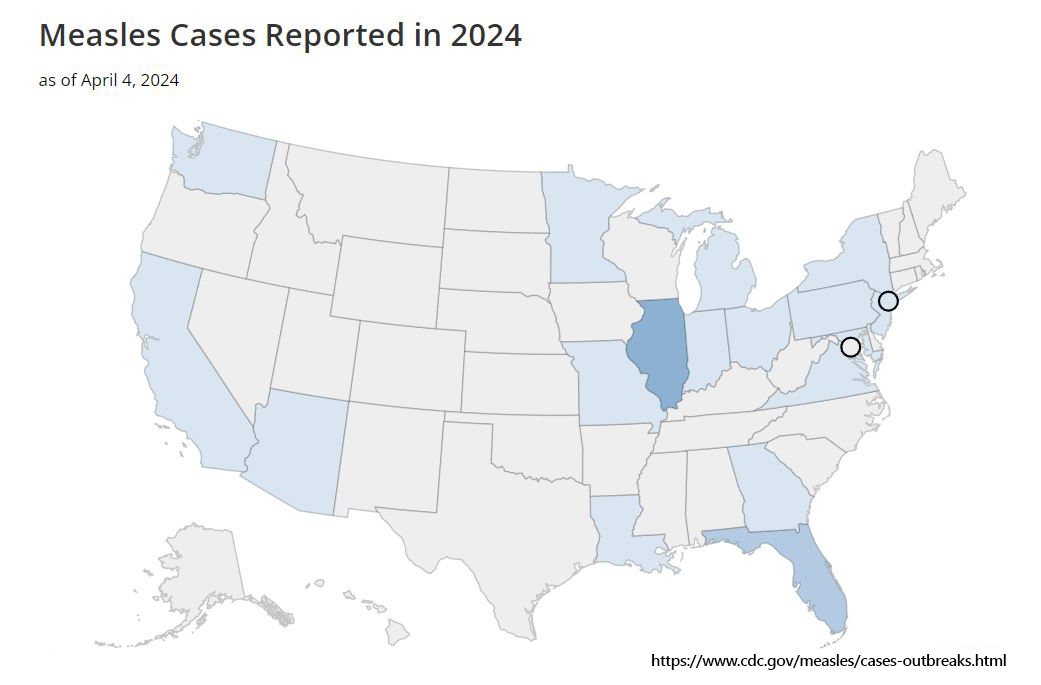
    Measles Cases Rising 2024

    Elise Herman , MD · April 5, 2024 ·

    Contributor Dr. Elise Herman

    Measles cases are on the rise, and although numbers in the US are small right now, there is cause for concern. Measles is one the most contagious human viruses, with a 90% chance of someone who is not immune getting infected if they are near someone with measles. People with measles can infect others for 4 days before they have any signs of being sick, and for 4 days after the rash appears. The virus stays in the air and is infectious for 2 hours after the infected person has left. There is no treatment for the measles virus, however there is life-long immunity (protection) after vaccination as well as infection.

    This recent rise in measles in the US is in part due to a mild drop in kids’ vaccination rates, often related to children missing routine health care visits during the pandemic. Although the current rate of kindergarteners fully vaccinated against measles is good at 92%, the previous rate of 95% was better particularly because that level gives ‘herd immunity’, meaning protection of those that were not or could not be vaccinated (due to young age, cancer treatment, or other immune system problems) by those who are vaccinated.

    The number of measles infections world-wide has increased dramatically, up almost 80% in the last year to 306,000 cases. As people travel more, they can bring the infection home if they are not immune, potentially exposing many people before they know they are sick.

    Measles spreads easily through airborne secretions from coughing or sneezing. Infection is also caused by direct contact with droplets from the mouth, nose, or throat. Symptoms develop 7-14 days later and start with profuse runny nose, cough, and red, swollen, watery eyes. Fever is often up to 104 degrees. The rash develops 3-5 days after cold symptoms begin and starts as flat red spots on the forehead, spreading downwards to the trunk and extremities. Some spots may become raised and join to from larger blotches. It is not usually itchy.

    Measles itself is miserable, but the biggest concern is regarding complications. Serious complications include pneumonia in 1 out of 20 of those infected, encephalitis (brain inflammation and swelling) in 1 out of 1000 infected, and rarely, temporary or permanent blindness (more common in developing countries). One out of 5 unvaccinated people in the US with measles will be hospitalized, and 1-3 out of 1000 will die. Children under 5 and adults over 20 are most at risk of serious complications. Also at increased risk are pregnant women and those with immune system problems.

    Measles vaccination is safe and effective and gives life-long immunity. Prior concern of a connection between the MMR (measles, mumps, and rubella) vaccine and possible autism was based on fake ‘research’ and has been disproven by multiple studies by the American Academy of Pediatrics, the World Health Organization, and the Institute of Medicine.

    There has been a 99% decrease in measles cases since the vaccine came out in 1963. Prior to the vaccine, there were 3-4 million cases annually in the US and about 48,000 people hospitalized, most of which were children. Add approximately 500 deaths and 1,000 cases of encephalitis each year, and it is easy to see how miraculous vaccination has been.

    The best way to protect ourselves, as well as the approximately 9 million people in the US who cannot get the vaccine due to an immune system problem, is to be vaccinated. Measles vaccine is recommended for kids aged 12 months and again between 4 and 6 years. It is also approved for adults who did not receive it as children. There are 2 types of measles vaccines- the MMR (as above) and the MMRV (also protects against varicella/chickenpox). Your child’s health care provider can provide additional information on measles vaccination.

    Recursos en español

    more about The contributor

    Dr. Elise Herman

    headshot of Dr. Elise Herman
    Blog Posts
    Profile

    Dr. Herman is passionate about community health outreach, school programs, and child/family health and wellness. She has more than 31 years of experience as a pediatrician in Ellensburg, Washington, the last 3 with KVH Pediatrics. In 2022 Dr. Herman mostly retired from practice and continues to contribute blog posts and remain a visible advocate for kids in the community.

    Helping Your Shy Child

    Elise Herman , MD · January 9, 2024 ·

    Contributor Dr. Elise Herman

    By nature, some kids are more outgoing than others. Many children are shy and reserved when younger but become less so as they grow up. Being shy, however, just characterizes a child’s approach to the world (especially new situations) and does not have to be seen as a negative. There are felt to be some benefits of this personality trait as these children tend to be more observant and less impulsive. Shy kids may be slower to warm up and more cautious about jumping into a new social situation but given time and the opportunity to be involved when they feel ready, do fine socially.

    You can help your child if they fall into the ’shy’ category:

    • Don’t allow people to label your child as ‘shy’ which can make them feel negatively about themselves. You can say something like, “He just sometime needs a little time to observe and warm up”. You can suggest your child give a little wave or smile if they are not ready to talk to someone.
    • Accept your child’s shyness and acknowledge their feelings, but don’t be overprotective. Gently encourage them to try challenging situations such as answering a question in class, ordering an item at a restaurant, or saying ‘hi’ to a child they see on the playground.
    • Create opportunities to practice social skills especially in low-risk settings such as going on playdates, casually getting together at a park with another family, etc.
    • Roleplay certain situations such as meeting new adults and approaching kids at school. It is fine to be near your child if they ‘need’ you, for example when meeting other kids at a playground, but try to let them speak for themselves. If they seem comfortable, you can move away while reassuring your child that you will be nearby.
    • Participation in group activities can build social skills and confidence. Small groups or classes such as scouts, dance, sports, or music give your child a chance to get to know a group that they will see regularly and so become increasingly comfortable.

    It is important to separate common shyness from social anxiety disorder, which is more severe, long-term, and interferes with everyday life to a greater degree. Those with this issue worry excessively about social interactions and seek to avoid social situations when possible. This can negatively impact school, friendships, and overall emotional well-being. Talk to your child’s healthcare provider if you think your child may have social anxiety disorder as counseling and other treatments can be very helpful.

    But don’t fret if you have a shy child—things will get easier! Accepting your child for who they are and supporting them as they work on social skills will help them gain the confidence they need as they grow.

    more about The contributor

    Dr. Elise Herman

    headshot of Dr. Elise Herman
    Blog Posts
    Profile

    Dr. Herman is passionate about community health outreach, school programs, and child/family health and wellness. She has more than 31 years of experience as a pediatrician in Ellensburg, Washington, the last 3 with KVH Pediatrics. In 2022 Dr. Herman mostly retired from practice and continues to contribute blog posts and remain a visible advocate for kids in the community.

    Avoiding Picky Eating in Kids

    Elise Herman , MD · October 16, 2023 ·

    Contributor Dr. Elise Herman

    Most parents are familiar with the ‘picky eater’- the child who is suspicious of new foods, has strong favorites, and may refuse to eat what the rest of the family is eating. Picky eating is very common in young children, but usually improves by age 5 years. This behavior occurs in part to exert some control over mealtime (and parents) in a way that is often attention-getting.

    Regarding feeding your child, it is a parent’s job to offer healthy foods and decide the time and place for eating; it is the child’s job to decide what to eat and how much. Remember that children will eat when they are hungry, and with enough opportunities (it may take 15 ‘exposures’ to something new), will accept and eat most foods. Pressuring a child to eat creates conflict and can make mealtime stressful actually resulting in the child eating less. It is OK if your child occasionally misses a meal because they refuse to eat what is served.

    There are things parents can do to minimize “picky eating” and encourage good eating habits that last a lifetime:

    • Offer a variety of foods including vegetables as soon as your child starts solids in infancy.
    • Have set mealtimes and decide how long meals will last; most kids can sit at the table for about 15 minutes for breakfast and lunch, and 20-30 minutes for dinner.
    • Sit down for meals and do not allow kids to come and go from the table; if they are ‘done’, the plate and any uneaten food is removed.
    • The kitchen is ‘open’ for planned meal or snack time and otherwise is ‘closed’; no other eating or drinking (except for water) as it may decrease the appetite for the next meal. Kids need 3 healthy balanced meals and 1-2 small snacks daily.
    • Get your child involved–gardening, preparing food/ helping with cooking (keep this age appropriate), planning the meal, or setting the table.
    • No separate meals; you are not running a restaurant! You can have a ‘boring’ option available (for example, plain bread) occasionally, but ignore whining or tantrums about food.
    • Give new foods in very small amounts so it is not intimidating.
    • Do not offer crackers, cookies, chips, etc. to get your child to eat ‘something’; if they are truly hungry, they will eat some of what is served.
    • Do not use dessert as a bribe to eat a meal.
    • Model healthy eating habits and keep discussion of eating neutral; no elaborate praise if they eat ‘well’ and no criticism if they refuse to try a new food. Keep conversation light and upbeat so mealtimes are positive.

    If you have concerns about your child’s ability to eat or swallow normally, or if you worry they may not be getting enough nutrition, talk to your child’s health care provider.

    Resources

    • Kids Eat in Color Website https://kidseatincolor.com
    • Tips for Feeding Picky Eaters – healthychildren.org / American Academy of Pediatrics

    more about The contributor

    Dr. Elise Herman

    headshot of Dr. Elise Herman
    Blog Posts
    Profile

    Dr. Herman is passionate about community health outreach, school programs, and child/family health and wellness. She has more than 31 years of experience as a pediatrician in Ellensburg, Washington, the last 3 with KVH Pediatrics. In 2022 Dr. Herman mostly retired from practice and continues to contribute blog posts and remain a visible advocate for kids in the community.

    • « Go to Previous Page
    • Page 1
    • Page 2
    • Page 3
    • Page 4
    • Go to Next Page »

    Primary Sidebar

      Footer Top 2

      603 S. Chestnut Street - Ellensburg, WA 98926
      509.962.9841

      • Facebook
      • Instagram
      • LinkedIn
      • YouTube

      Footer Bottom 1

      Download the MyPatient Portal App
      Apple Store Google Play Store

      Footer Bottom 2

      • About KVH
      • KVH Legal Information
      • Price Transparency
      • Careers
      • Board of Commissioners
      • Contact Us
      • The Foundation at KVH

      Footer Bottom 3

      • Our Locations
      • Hospital Services
      • Clinics & Specialty Services
      • Visiting Information
      • Patient Policies
      • Events & Education
      • Press Releases

      Footer Bottom 4

      Google Translate