• Skip to primary navigation
  • Skip to main content
  • Skip to primary sidebar
  • Contact Us
  • Pay My Bill
  • Patient Portal
  • Show Search
KV Healthcare

KV Healthcare

Your Home for Health

  • Find a Provider
  • Clinics & Specialties
        • Primary Clinics

        • KVH Family Medicine – Cle Elum
        • KVH Family Medicine – Ellensburg
        • KVH Home-Based Primary Care
        • KVH Internal & Adult Medicine
        • KVH Pediatrics
        • KVH Women’s Health
        • KVH Rapid Access
        • Specialty Services

        • Anticoagulation Clinic
        • Addiction Medicine
        • Specialty Clinics

        • ENT & Allergy
        • Cardiology
        • Dermatology
        • General Surgery
        • Home Health
        • Hospice
        • Neurology
        • Podiatry
        • Orthopedics
        • Urgent Care
        • Vascular Surgery
        • Workplace Health
        • Wound Care
        • Therapy Services

        • Physical Therapy
        • Speech Therapy
        • Occupational Therapy
  • Hospital Services
        • Services

        • Cardiopulmonary
        • Emergency Department
        • Imaging
        • Laboratory
        • Nutrition
        • Pharmacy
        • Surgical
        • Family Birthing Place

        • About Family Birthing Place
        • Class/Event Calendar
        • What to Expect
        • Birth & Family Education
        • Lactation Services
        • 4th Trimester Resource Center
        • Pregnancy & Infant Loss
  • Patients & Visitors
        • Patient Tools

        • Request Medical Records
        • Checking In
        • Language Services
        • Quality of Care
        • Patient Portal
        • Patient Safety & Security
        • Patient Policies
        • Insurance & Billing

        • Accepted Insurance
        • Price Transparency & Billing Services
        • Washington Health Plan Finder
        • Financial Assistance
        • No Surprise Act - Balanced Billing
        • Insurance vs. Self Pay
        • Bills from Other Providers
        • Pay My Bill
        • Visitors

        • Visiting Information
        • Mother’s Room
        • Café
  • About KVH
        • About KVH

        • About KVH
        • Mission & Vision
        • Board of Commissioners
        • Administration
        • Quality of Care
        • DAISY Award Program
        •  

        • News & Blog
        • Events & Education
        • Contact Us
        • Locations
        • Work With Us / Careers
        • Foundation

        • About the Foundation
        • The Foundation Board of Directors
        • Programs to Support
        • Ways to Give
        • Donate Now
        • Foundation Events
  • Donate Now
Hide Search

Pediatrics

Respiratory Virus Season and Children

Elise Herman , MD · October 22, 2022 ·

Contributor Dr. Elise Herman

As cooler weather approaches, the “sick” season does, too. For kids, this usually means respiratory illnesses, ranging from cold to croup or pneumonia. While these sicknesses are usually mild, more severe cases are rapidly increasing, with more kids going to the ER and being hospitalized. The viruses responsible include Respiratory Syncytial Virus (RSV), rhinovirus, adenovirus, and enterovirus. To complicate things, influenza season typically starts in October, and with COVID-19 currently spiking in Europe, a surge is predicted to hit the US soon.

Children are walking in nature, fall leaves.

This earlier and more severe start to the respiratory season for kids is felt to be related to gathering again (without masks) in schools and social settings. Kids do not have much immunity from last year when the respiratory season was milder due to social distancing and other anti-COVID measures. Wildfire smoke exposure may also be a contributing factor.

Most kids who contract these viruses will get a simple cold (“upper respiratory infection”), nasal congestion, mild cough, and mild fatigue. A low-grade fever is common for the first three days of illness. Kids may be sick for 1-2 weeks but remain fairly active with good fluid intake though overall eating is often decreased.

Younger or premature infants and children with lung problems like asthma are at increased risk of more severe illnesses like pneumonia. General warning signs include the pale or dusky color of the lips or skin, and increased work of breathing—rapid breathing with the ribs showing on inspiration (“retractions”). Unusually noisy breathing, such as wheezing (high-pitched musical noise with breathing out) or stridor (crowing noise with breathing in), is concerning. An infant who cannot feed well from a breast or bottle is worrisome. Extreme lethargy or limb weakness at any age is very concerning.

For mild respiratory illnesses, the diagnosis is usually based on symptoms and examination alone. Checking respiratory rate, heart rate, and oxygen level are routine when the child is seen by a medical provider. Testing for viruses with a ‘respiratory panel’ can be done but is expensive and usually reserved for those more severely ill since there are few specific anti-viral treatments available. Specific testing for COVID-19 and RSV may be done, given that the implications of having these viruses are more significant regarding attending school, childcare, etc.

If your child has typical cold symptoms, it is essential to ensure they stay well-hydrated; solid food intake is less important. Offer infants extra breast milk or formula. Saltwater nose drops and nasal suction for infants can be helpful in terms of clearing mucous which interferes with breathing through the nose. Fever control with Tylenol (over age two months, though talk to a provider first) or Advil (over age six months) is primarily for comfort since fever, as part of the immune response, may help fight the virus.

No cold medications are recommended under the age of four years and should be used with caution for those 4-6 years old. These meds are usually not helpful and may have harmful side effects in younger kids. Honey (1/2 to 1 tsp by mouth) may help to cough but is safe only for those over one year of age.

To help prevent respiratory illnesses, keep up the frequent handwashing we have all gotten good at during the pandemic. In addition, kids should be reminded not to touch their faces and not to share food or drinks. Although not easy, masking (especially if your child will be in a large group) does help prevent illness. Lastly, it is vital to get your child vaccinated against those respiratory viruses for which we have safe, effective vaccines—COVID-19 and influenza.

Resource / HealthyChildren.org

more about The contributor

Dr. Elise Herman

Blog Posts
Profile

Dr. Herman is passionate about community health outreach, school programs, and child/family health and wellness. She has more than 31 years of experience as a pediatrician in Ellensburg, Washington, the last 3 with KVH Pediatrics. In 2022 Dr. Herman mostly retired from practice and continues to contribute blog posts and remain a visible advocate for kids in the community.

Curiosity in Children

Elise Herman , MD · September 21, 2022 ·

Contributor Dr. Elise Herman

There are characteristics we hope to see in our kids such as kindness, intelligence, and perseverance. We may not put ‘curiosity’ high on this list, but in fact it is crucial to a child’s success in learning and school—and maybe, even in life.

Research has shown that those who are curious tend to be happier, less anxious, and have a greater sense of well-being. In children, studies connect curiosity to higher academic performance, and in adults it is tied to greater achievement at work.  When people are highly curious about a subject, they are more engaged with it and more likely to remember what they have learned. General memory is also improved for information unrelated to the original area of interest. It seems curiosity primes the brain to absorb and retain new information better.

Being curious has been shown to improve one’s patience. Those who are very curious seem willing to do the work themselves to figure something out as opposed to needing an answer immediately. Curiosity can lead to increased creativity, more original ideas, and a willingness to ‘think outside the box’. It also translates into greater empathy and stronger interpersonal relationships.

So despite the sometimes endless “why?” questions from our kids that can be a bit much, curiosity is a very good thing. There are lots of ways we can encourage this important trait:

  • Express curiosity and wonder yourself, e.g., “I wonder why the moon looks so big tonight?”  Have a back-and-forth discussion about possible explanations. Together with your child find resources to get answers (and not just online) such as books, the library, and knowledgeable individuals.
  • Ask your child questions about things from the everyday to the more fantastical and encourage them to go deeper with their theories and ideas.
  • When your child asks you questions, avoid the “just because” response and research together if you don’t know the answer.  You do not need to know everything, and it is valuable to show your child that you are still learning, too.
  • Encourage your kids to be aware and mindful, to be thinking about what they experience, and to use their full senses to engage completely.
  • Limit “screens” including TV, smartphones, and social media which generally are passive entertainment, though quality programing such as nature shows can encourage curiosity. Watch educational programs (on PBS and National Geographic for example) together so you can have discussions about the content.
  • Explore new things such as ethnic food, museums, and new cultures either through travel or online resources. This promotes not just curiosity but an openness to people different than us.
  • Encourage books about subjects that inspire curiosity such as history-making individuals, exploration, and science fiction.
  • Help your child to follow their interests and learn more about what they are naturally intrigued by.
  • Embrace outdoor activities, especially in nature such as walking in a park, hiking, birdwatching, and camping. These immerse us in the natural world and foster curiosity and wonder.

And enjoy being a bit of a kid yourself as you marvel and explore the world we live in with your child!

more about The contributor

Dr. Elise Herman

Blog Posts
Profile

Dr. Herman is passionate about community health outreach, school programs, and child/family health and wellness. She has more than 31 years of experience as a pediatrician in Ellensburg, Washington, the last 3 with KVH Pediatrics. In 2022 Dr. Herman mostly retired from practice and continues to contribute blog posts and remain a visible advocate for kids in the community.

Kids & Allergies

Elise Herman , MD · May 6, 2022 ·

Contributor Dr. Elise Herman

Spring is here, the weather is improving and it’s great for kids to be outside, unless your child is itchy, congested, and miserable due to allergies. Seasonal allergies are rare under age 2 years but very common after that, affecting up to 40% of children. If your child struggles with allergies, there are strategies and treatments that can have them happily outside and relatively symptom-free this spring and summer.
Allergies are the immune system’s response to things such as pollens, grasses, dust, cat dander, and more. The immune system makes antibodies called Immunoglobulin E which then cause the release of histamines, chemicals in the body which cause allergy symptoms.

The typical culprits for seasonal allergies are flower and tree pollens (like cottonweed) which cause symptoms from spring through early summer. Grass pollen starts to cause problems in the spring and lasts the entire summer. Ragweed and mold spores (often found in hay) are typically problematic in late summer to fall.
Itchiness is the ‘hallmark’ of allergy and can involve the nose, eyes, and skin. Runny or stuffy nose, sneezing, throat clearing, and itchy pink, watery eyes are common. Children do not develop a fever with allergies. Kids can get raised pink itchy bumps called hives if their skin is exposed to something they are allergic to, like grass. Allergies can make asthma worse, causing wheezing, cough, and shortness of breath.

Allergies are often diagnosed by simply recognizing the symptoms and when they occur. Classic symptoms, which occur in spring and summer and worsen with outdoor exposure, do not need testing to make the diagnosis. Testing is indicated if allergy symptoms do not improve with typical treatments or if symptoms are severe or confusing. Skin testing is usually done in an allergist’s office with results in about 15 minutes. Allergy meds need to be stopped for at least 5 days before skin testing. Blood testing, which is best for kids who cannot stop their allergy meds or who have a skin condition like severe eczema which would make skin testing difficult, looks at the amount of Immunoglobulin E for certain allergens.

So how to help your itchy, allergic kiddo?

  • Rinsing off from head to toe and changing clothes helps, both when they are having lots of allergy symptoms and routinely before bed.
  • They should also wash their hands and face when they come in from playing outside to remove pollens.
  • Cool moist compresses to those itchy eyes provide relief, too.

There are multiple long-acting over-the-counter antihistamines which are safe and effective. Cetirizine (Zyrtec) is for kids 6 months and older, and Loratadine (Claritin) and Fexofenadine (Allegra) are approved for those 2 years and up. Loratadine and Fexofenadine are non-sedating; Cetirizine may cause mild sedation in a small percentage of people. Benadryl is not ideal since it only lasts 6 hours and typically is sedating.

If an oral medication is not adequate treatment, there are other options including nasal sprays such as Flonase and Astelin, and eye drops such as Zaditor and Pataday. Young kids may resist these at first but become more accepting as they get older. If allergies are severe, allergy immunotherapy (injections) may be recommended by the allergist. For kids 5 and above with severe grass or ragweed allergies, the allergist might prescribe immunotherapy pills that are placed under the tongue daily.

Every kid deserves to be able to get outside this spring and summer! Discuss your child’s allergies with their health care provider for more information.

more about The contributor

Dr. Elise Herman

Blog Posts
Profile

Dr. Herman is passionate about community health outreach, school programs, and child/family health and wellness. She has more than 31 years of experience as a pediatrician in Ellensburg, Washington, the last 3 with KVH Pediatrics. In 2022 Dr. Herman mostly retired from practice and continues to contribute blog posts and remain a visible advocate for kids in the community.

Nature & Children

Elise Herman , MD · March 28, 2022 ·

photo courtesy of KEEN

Contributor: Dr. Elise Herman

Many of us recall childhoods filled with lots of outdoor time, whether it was playing in the backyard, going to parks, building forts, or just running around. Our kids, however, are having very different childhoods, with most spending less than 30 minutes a day outside and up to 7 hours daily in front of some type of technology. The negative physical and emotional effects of this shift are far-reaching and concerning. Rising obesity rates and more mental health issues are huge problems in kids and too much time inside and on electronics are felt to contribute. Research shows that simple outdoor time in nature (recommended to be at least 60 minutes a day) can help reverse these trends.

The benefits for children of getting outside in nature are well documented:

  • Increased physical activity, decreased snacking, and therefore decreased obesity
  • Increased imagination, creativity, and focus
  • Improved distance vision (kids without much outdoor exposure are more likely to have nearsightedness)
  • Increased Vitamin D levels (important in bone and immune system health)
  • Decreased stress, depression, and anxiety
  • Better behavior with less anger and aggression
  • Boost in confidence and self-reliance
  • Improved sleep

So what does outside nature time look like? It could be exploring the backyard or park, hiking, gardening, riding bikes, or just sitting under a tree daydreaming. Unstructured time, without a specific plan, encourages a child to get creative and be independent.

There are some terrific opportunities in our community for kids to get outside this summer. We have wonderful city parks and lots of hiking trails, including the Palouse to Cascades Trail (formerly called the John Wayne Trail) which is easily accessible and great for all ages.

We are fortunate to have nature/outdoor camps as well. Lazy F Camp and Retreat Center in the nearby Manastash Canyon offers day, overnight, and family camps. Kittitas Environmental Education Network (KEEN) provides nature-based education for all ages year round and will once again hold the “Windy City Park Rangers” day camp program in local parks this summer for kids in kindergarten through 8th grade (more information coming mid-April). KEEN also has the Pond to Pines nature-centered summer camp for children in pre-K through 10th grade which is based at Helen McCabe Park. KEEN has been awarded substantial grants and is able to provide 80 full scholarships for kids from families in need.

KEEN
Image Slide 1
Image Slide 2
Image Slide 3
KEEN Summer Camps 2022
June 20 through July 29
previous arrowprevious arrow
next arrownext arrow

So get your kiddo out regularly in nature now and make summer plans for more of the same. Enjoy the benefits of turning your child into a nature-loving, active, outdoor enthusiast!

More summer camp info at:

  • Lazy F Camp and Retreat
  • Keen’s Summer Camp / Pond to Pines

more about The contributor

Dr. Elise Herman

Blog Posts
Profile

Dr. Herman is passionate about community health outreach, school programs, and child/family health and wellness. She has more than 31 years of experience as a pediatrician in Ellensburg, Washington, the last 3 with KVH Pediatrics. In 2022 Dr. Herman mostly retired from practice and continues to contribute blog posts and remain a visible advocate for kids in the community.

Reach Out and Read

Elise Herman , MD · March 14, 2022 ·

Contributor: Dr. Elise Herman

The pandemic has affected so many things for our children, including their education. Despite incredible efforts by devoted teachers and school staff, progress in reading has suffered significantly, with many more students at risk of not learning to read than prior to the pandemic. Kids who do not learn to read in elementary school are at greater risk of dropping out, earning less, and getting in trouble with the law.

A valuable community resource for helping children become good readers may surprise you—it’s your child’s healthcare clinic. The national literacy program for children, Reach Out and Read, has been at Community Health of Central Washington for about 10 years and started at Kittitas Valley Healthcare pediatric and family medicine clinics this month. Reach Out and Read (ROR) was founded in 1989 by a group of pediatricians and educators. It promotes reading by giving out free books at every well child visit from age 6 months through 5 years, and is the only children’s literacy program endorsed by the American Academy of Pediatrics.

The books chosen are age appropriate and culturally sensitive to be ideal for each child. At the well child check, the provider shows the book to the child, perhaps modeling for the parents how to engage with their child through reading, while encouraging the child to handle and explore the book. This is typically an extremely positive part of the visit for all!

The effects of reading together with kids early and consistently are impressive. This activity and the extra love and attention that go along with it help promote brain development, especially important in the first three years of life. Children who are read to tend to develop better recognition of letters and sounds, have a bigger vocabulary, and become better listeners. The connection between parent and child while reading is also reassuring and soothing.

Research has shown that kids who are part of Reach Out and Read show better language scores (both speaking and listening) and their language development continues to improve with ongoing involvement with the program. ROR parents are twice as likely to read to their kids at least 3 times a week, and report increased enjoyment with reading together.

Here are a few tips to best encourage reading in your home:
  • Read together daily, especially at bedtime
  • Encourage your child to hold the book and turn the pages
  • You don’t have to read the words exactly, especially to young children; you can just talk about the pictures
  • Encourage your child to point to things in the book and ask your child questions Simple books, with rhyming and repetition, are perfect for young kids
  • Bilingual books and books about people from different cultures build empathy and understanding of others
  • Be a good role model and regularly read yourself, ideally using traditional books as opposed to an electronic device
Early Literacy Resources in Spanish
  • Aprendiendo juntos en casa/ Learning together at home
  • Leer en el jardín de infantes (kindergarten)/ reading in kindergarten
  • Ayude a su niño a aprender a leer / Help your child learn to read
  • Érase una vez, Once Upon a Time – children’s stories read in Spanish 

more about The contributor

Dr. Elise Herman

Blog Posts
Provider Profile

Dr. Herman is passionate about community health outreach, school programs, and child/family health and wellness. She has more than 31 years of experience as a pediatrician in Ellensburg, Washington, the last 3 with KVH Pediatrics. In 2022 Dr. Herman retired from practice and continues to contribute blog posts and remain a visible advocate for kids in the community.

Encouraging Healthy Eating Habits for Your Child

Elise Herman , MD · February 15, 2022 ·

Contributor: Dr. Elise Herman

As parents, we want our children to eat well. Yet all we can do is set the stage for healthy eating; it is up to the child in terms of how much and exactly what they eat from the food offered. Here are some guidelines that help kids develop healthy eating habits; starting early with these habits can help prevent childhood obesity, diabetes, and other problems.

Have family meals

Eating together encourages conversation, connection, and healthier food choices and portion sizes. Research has shown that teens who have regular family dinners have lower rates of depression, substance abuse, eating disorders, and obesity. And remember– no TV or electronic devices at the table for kids and adults alike.

Avoid struggles around food

Toddlers tend to be picky, and preschoolers often have a decreased appetite. It is better to look at their intake over a week as opposed to pressuring your child to ‘clean their plate’ or eat what is served at any one meal. Children actually eat less overall if they are coaxed to eat, and mealtime is not much fun. Trust your child to eat what they need to stay healthy. 

Go by “MyPlate.gov”

This is the government’s recommendation for healthy eating that has replaced the Food Pyramid (more information at MyPlate.gov). Half of the ‘plate’ should be fruits and veggies (with slightly more veggies than fruit), the other half should be split between grains and protein. Half the grains should be whole grains like oatmeal, whole wheat bread and brown rice. Protein may include non-meat sources such as beans, lentils, plain yogurt, and tofu. Turkey, chicken, and lean ground beef are appropriate choices if your family eats meat, though meat is not needed every day. 

Kids Activity Downloads / Fun Word Search Crossword Puzzle

Offer appropriate portion sizes

Portion sizes that are too large encourage overeating. An easy way to judge is to compare portions to the size of your child’s hand (this conveniently works as your child grows). Fruits, veggies, cereal, and rice servings should be about the size of a closed fist. Meat portions should be the size of the palm and added fats such as butter and mayonnaise should be about the size of the tip of the thumb. If kids want seconds, make it salad or veggies. 

Don’t forget the beverages

Water should be your child’s mainstay. From age 1-2 years, whole milk is recommended (unless your child is still breastfeeding) and thereafter choose low fat milk. 16-24 ounces is a good daily maximum. After age 2 years, 2-2 ½ cups of dairy (be it milk, cheese, yogurt, etc.) is recommended. Drinking milk excessively may decrease the appetite for healthy solids and interfere with iron absorption which can lead to severe iron deficiency. Remember to stop bottles by age 1 year and to limit juice (if any) to a max of 4 ounces a day. It is much better to eat a fruit (with its healthy fiber) than to drink juice which contains as much sugar as soda. No sugar-sweetened drinks should be given on a regular basis (this includes chocolate milk).

Be smart about snacks

Avoid chips and processed snack foods and instead choose healthy snacks such as fruits, veggies, peanut butter, and plain yogurt. Adding a bit of honey or jam to plain yogurt is better than fruited yogurts which are high in sugar. Canned fruit is fine but choose “no sugar added” types.

Be a good role model

Talk about enjoying nourishing yourself with healthy food. Don’t discuss any food struggles you may have (dieting, poor body image, etc.). Model the idea of stopping eating when you are satisfied and full. Limiting fast food and processed food is important, but still OK to enjoy occasionally. 

Get your child involved

Kids love to help and can do so by looking at recipes, setting the table, assisting with cooking when age appropriate, and learning to pick healthy foods at the grocery store. This may translate to more enthusiasm at the dinner table as well as good training for when they are older and more independent.

more about the contributor

Dr. Elise Herman

Blog Posts
Provider Profile

Dr. Herman is passionate about community health outreach, school programs, and child/family health and wellness. She has more than 31 years of experience as a pediatrician in Ellensburg, Washington, the last 3 with KVH Pediatrics. In 2022 Dr. Herman retired from practice and continues to contribute blog posts and remain a visible advocate for kids in the community.

COVID-19 and Children- Infection and Vaccines

Elise Herman , MD · January 10, 2022 ·

Contributor: Dr. Elise Herman, KVH Pediatrics

Parents know too well what “pandemic fatigue” is. They are tired of it all- the masking, the distancing, the quarantining, the disruption of life, and the loss of a “normal childhood” for their kids. But this is a critical time in the COVID-19 pandemic as the Omicron variant surges; Omicron is certainly targeting the unvaccinated, and many of those are children.

The number of daily cases of COVID-19 in the US is over 900,000 as of January 7, 2022. 17% of these are children and most concerning is the huge jump in pediatric hospitalizations. There recently has been a 50% increase in COVID hospitalizations for kids under age 5, the biggest increase since the pandemic started. Over 82,000 kids have been hospitalized with COVID thus far, and there is now a new record for hospitalizations of kids under age 18 years- almost 800 daily. Some of these are as young as 2 months old.

Pediatric hospitals are feeling the strain, including Seattle Children’s Hospital, according to staff pediatric infectious disease specialist Dr. Danielle Zerr. Dr. Zerr noted in a recent New York Times article that the number of young children in Seattle Children’s Hospital with COVID is much higher than with previous Delta surges. Some of these very sick children have risk factors such as asthma or obesity, but many were previously healthy children without underlying problems.

Omicron seems to cause milder disease overall but can cause severe illness and is much more transmissible than the Delta variant. With so many more people getting infected, even if a smaller percentage get very sick, the total number of those who get severely ill will be very large. The unvaccinated are most at risk, and of course this includes kids under 5 years since they are not eligible for the vaccine yet. A parent’s best strategy to protect their child is straightforward: vaccinate if eligible, avoid crowded spaces (especially inside), continue masking and social distancing. Additionally, make sure all the older kids and adults in their family are vaccinated.

Those who are vaccinated can still get COVID, especially with the Omicron variant, but they are less likely to get a severe illness, and less likely to be hospitalized. If kids are fully vaccinated and exposed at school, they do not need to quarantine. Those who are vaccinated are less likely to transmit the virus, helping to keep their family healthy and their school open.

As of December 5, 2021, almost 4.8 million US kids ages 5-11 had received at least one COVID vaccine dose. There have been no cases of heart inflammation (myocarditis) in this age group which was noted to be a very rare side effect of the vaccine in young adult and adolescent males previously. It is important to remember that COVID infection itself is much more likely to cause heart problems in this age group than would the vaccine. We have had enough experience now to know the vaccine is safe and effective.

Can we imagine a time when there is ‘background’ COVID, like influenza, but not huge surges that overwhelm our healthcare systems, shutter schools and businesses, and disrupt our lives? That is the “learning to live with the virus” scenario that may be our future. To get there we need to have many more people vaccinated (including our children) to minimize the rise of new variants. Increased access to testing and better therapies to fight COVID infection will also be important. We all really do have the opportunity to help move us along towards that goal, and towards a better future for our children.

more about the contributor

Dr. Elise Herman

Blog Posts
Provider Profile

Dr. Herman is passionate about community health outreach, school programs, and child/family health and wellness. She has more than 31 years of experience as a pediatrician in Ellensburg, Washington, the last 3 with KVH Pediatrics. In 2022 Dr. Herman retired from practice and continues to contribute blog posts and remain a visible advocate for kids in the community.

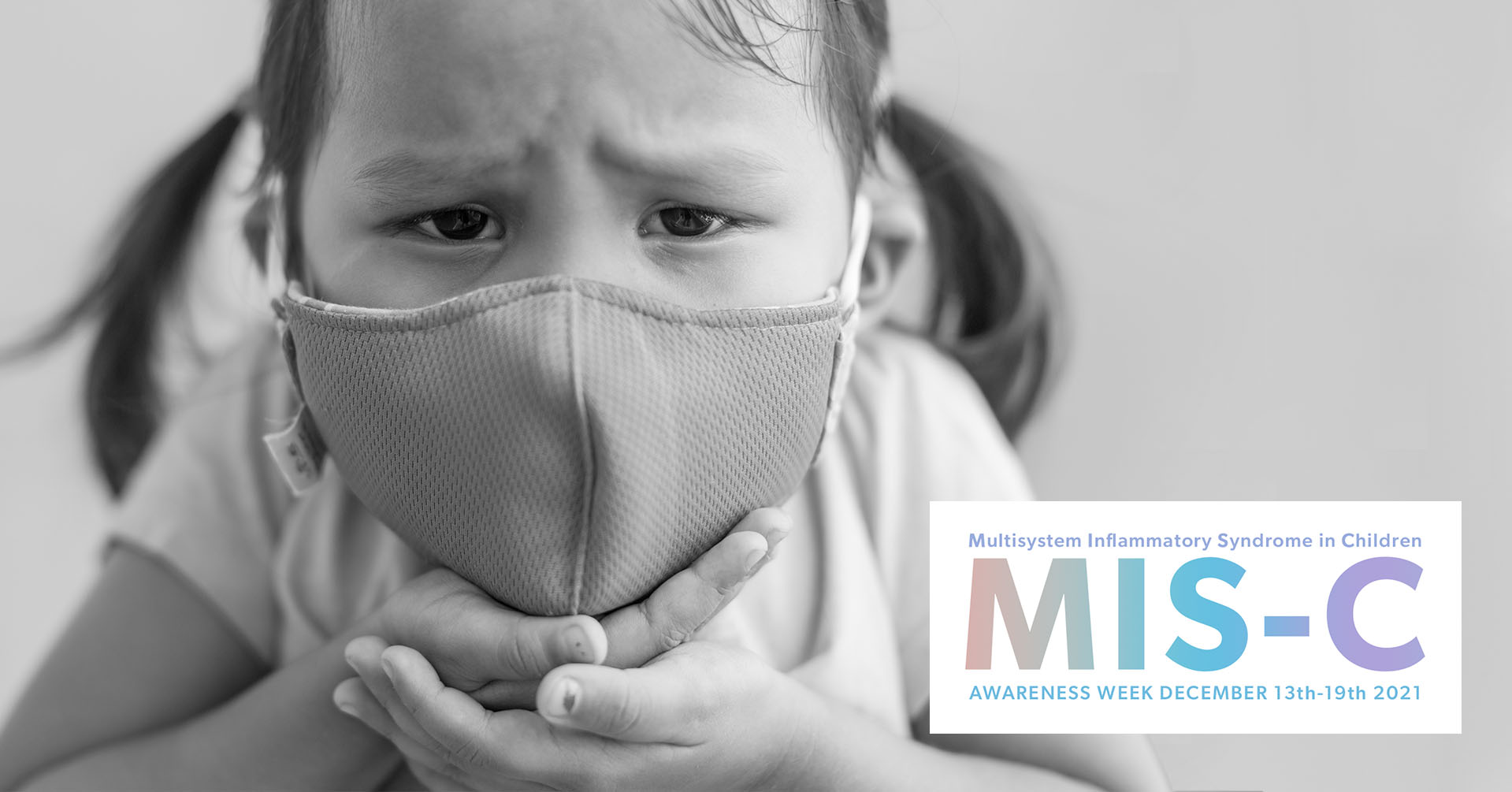
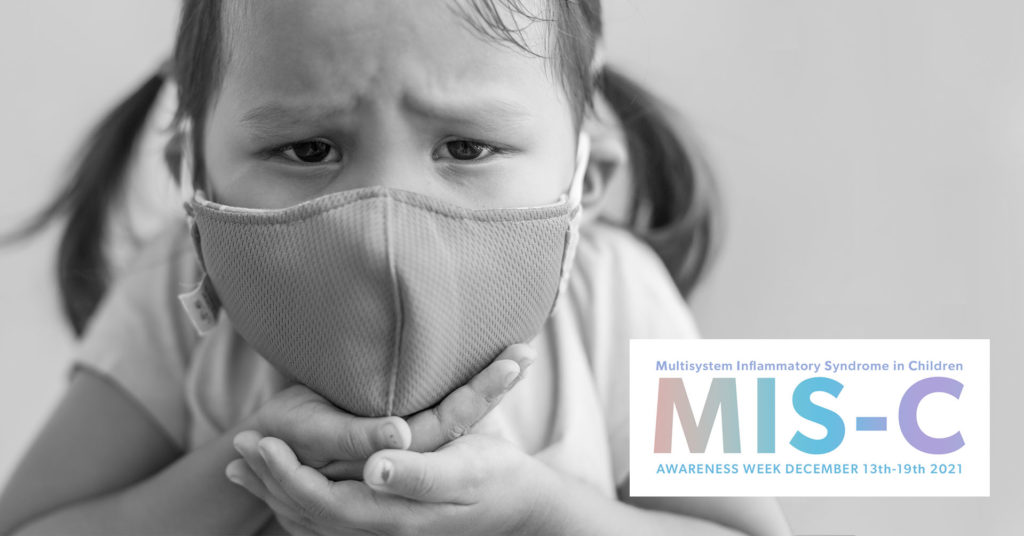
MIS-C Awareness Week

Kirsten Oursland · December 15, 2021 ·

A rare and severe condition associated with Covid-19 is MIS-C (Multisystem inflammatory syndrome in children). This condition can cause “different body parts can become inflamed, including the heart, lungs, kidneys, brain, skin, eyes, or gastrointestinal organs. We do not yet know what causes MIS-C. However, we know that many children with MIS-C had the virus that causes COVID-19, or had been around someone with COVID-19. MIS-C can be serious, even deadly, but most children who were diagnosed with this condition have gotten better with medical care.”

– CDC (Español)

For more information about this syndrome and to help bring awareness please follow the FB event and share!

What to do if you think your child is sick with MIS-C

Contact your child’s doctor, nurse, or clinic right away if your child is showing symptoms of MIS-C:

Ongoing fever PLUS more than one of the following:

  • Stomach pain
  • Bloodshot eyes
  • Diarrhea
  • Dizziness or lightheadedness (signs of low blood pressure)
  • Skin rash
  • Vomiting

Be aware that not all children will have all the same symptoms.

How to Recognize: Multisystem Inflammatory Syndrome in Children (MIS-C)

MISC_symptomsDownload
MISC_symptoms_spanishDownload

CDC Data

Find More Here: CDC Covid Data Tracker

MIS-C Patients By Age Group
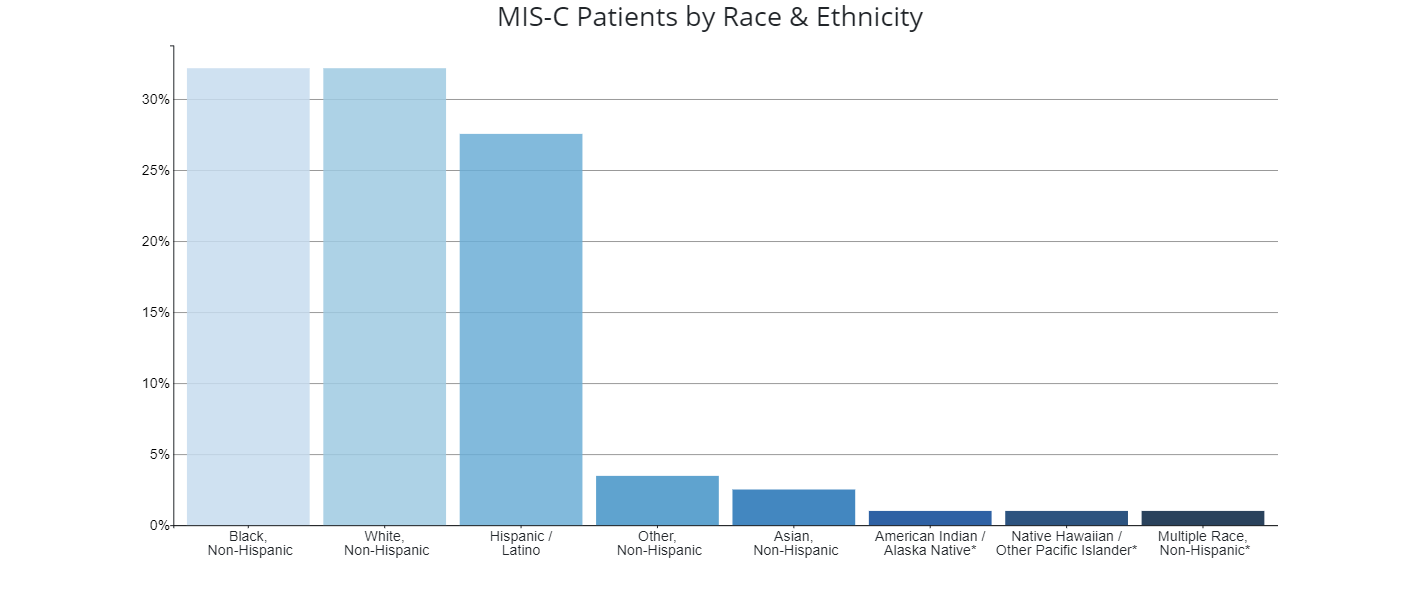
MIS-C Patients by Race & Ethnicity
MIS-C Patients By Sex
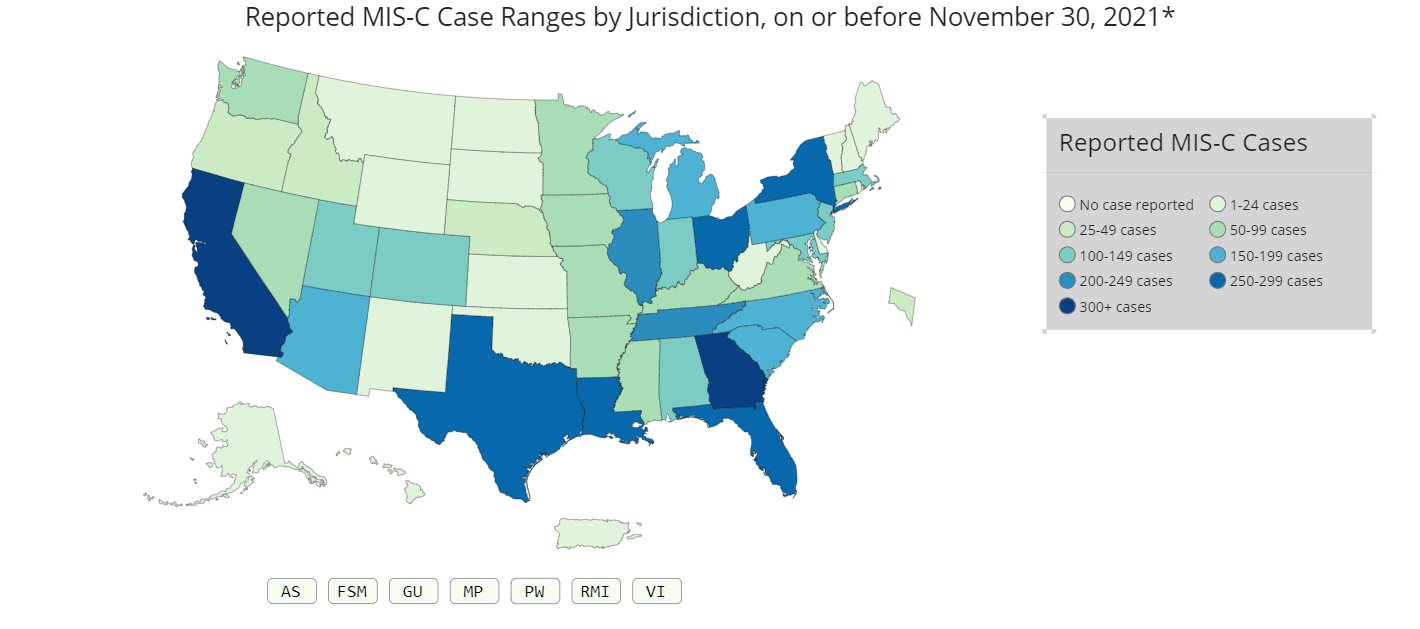
Reported MIS-C Case Ranges by Jurisdiction, on or before Nov 30, 2021

References & Resources

  • Washington State Department of Health News Release (Español) / Monthly Update
  • CDC (Centers for Disease Control and Prevention) MIS-C (Español) / Data Tracker
  • HealthyChildren.org by the American Academy of Pediatrics (Español)
Covid-19: Pediatric Insights

HealthNews · November 12, 2021 ·

medical providers that the family and the child trust can be an invaluable source of information and a big part of the decision making – Dr. Elise Herman

The AHA, American Academy of Pediatrics and Children’s Hospital Association host this panel discussion on how pediatricians and hospitals can work with parents to build trust in the safety and efficacy of the COVID-19 vaccine for children.

American Hospital Association

Insights from pediatric health care leaders on COVID-19 vaccines for children


Earlier this week Dr. Elise Herman, KVH Pediatrics, joined other pediatric health care leaders for a panel discussion hosted by the American Hospital Association (AHA), American Academy of Pediatrics and Children’s Hospital Association.

To learn more visit www.aha.org/vaccineconfidence


Resources mentioned by Dr. Elise Herman:
  • Dr. Elise Herman / KVH Blog Contributor Post: COVID-19 Vaccine for Children 5-11 Years Old
  • American Academy of Pediatrics
  • Washington Chapter of the American Academy of Pediatrics
  • CDC.gov / Centers for Disease Control and Prevention: Covid-19
Speakers:
  • Yvonne (Bonnie) Maldonado, M.D., Chief, Division of Pediatric Infectious Diseases, Stanford University School of Medicine
  • Lee A. Savio Beers, M.D., FAAP, Professor of Pediatrics and the Medical Director for Community Health and Advocacy at Children’s National Hospital, President of the American Academy of Pediatrics
  • Elise J. Herman, M.D., Pediatrician, Kittitas Valley Healthcare-Ellensburg, Washington
  • Andrew Pavia, M.D., Chief, Division of Pediatric Infectious Diseases, Primary Children’s Hospital
  • Moderator: Roxie Cannon Wells, M.D., President, Cape Fear Valley Hoke Healthcare, and AHA Trustee

Tick bites in children

Elise Herman , MD · May 5, 2021 ·

Contributor: Dr. Elise Herman, MD, KVH Pediatrics

Ahhh, summer! As that much anticipated warmer weather comes, it brings with it the risk of tick bites and the diseases they can cause. Knowing how to prevent tick bites, what to watch for if your child is bitten and how to remove ticks can make us feel more ready for outdoor adventures with our kids.

Ticks have 8 legs, flat oval bodies, and vary in size from the tiny deer tick (size of a poppy seed) to the wood/dog tick (size of an apple seed). They can swell to two or three times their usual size when they have had a blood meal. After sucking blood for 3-6 days, ticks fall off on their own, often leaving a small red bump. As it feeds on the blood, some of the tick’s spit gets transmitted to the host’s body and can cause infection. Ticks must be attached for at least 36 hours to spread infection.

Washington has fewer tick-borne diseases compared to other parts of the country, but we do have cases of Lyme Disease, babesiosis, tick paralysis, and tularemia. Lyme Disease is the most common tick-borne disease in our state and the US. It is most prevalent in the Northeast, mid-Atlantic, upper Midwest, and to a lesser extent on the West Coast. It is spread by the very small deer tick. 80% of Lyme Disease starts as a circular or oval red bull’s eye rash called erythema migrans at the tick bite location within 3-30 days of a bite. It can expand to up to 12 inches and lasts 2-3 weeks. Other signs of early Lyme Disease are fever, body aches, headache, chills, and neck stiffness. If Lyme disease is diagnosed early and treated with antibiotics, progressing to later stages of the disease is very unlikely. The later stages can involve bull’s eye rashes elsewhere on the body, joint pain, temporary facial paralysis, and limb weakness.

There are steps you can take to help prevent tick bites. Avoid dense, grassy or wooded areas, and stay to the center of the trail. Ideally, everyone should wear hats, light colored clothing, long sleeves, and long pants tucked into socks. You can spray permethrin on clothing (not the skin) to decrease tick attachment. Insect repellent containing 20-30% DEET is safe for children but you should minimize its use on very young children and infants. Do not use products that combine DEET and sunscreen since sunscreen needs to be applied more frequently than DEET. Do not apply DEET to the hands of young kids or near their eyes or mouth.

Do a tick check of your child right after being outdoors where there might have been tick exposure. Look at the clothing first, then the skin and scalp. Don’t forget behind the ears, in the armpits and groin area. Showering may help prevent attachment. If you do find a tick, use tweezers to grasp it close to the skin; pull gently and slowly to remove. Try not to crush it when doing this and wash the area well afterwards.

It is important to remember that the chance of a tick bite causing any disease is extremely low. Only 2% of deer tick bites will cause Lyme Disease even in high-risk areas and here in Washington state we are at low risk of any tick disease. So, wherever your outdoor adventures take you and your kids this summer, a bit of planning to prevent tick bites and knowing how to handle them if they happen will help you to all enjoy those long summer days!

  • « Go to Previous Page
  • Page 1
  • Page 2
  • Page 3
  • Page 4
  • Page 5
  • Go to Next Page »

Primary Sidebar

    Footer Top 1

    HRSA National Health Service Corps Site

    Footer Top 2

    603 S. Chestnut Street - Ellensburg, WA 98926
    509.962.9841

    • Facebook
    • Instagram
    • LinkedIn
    • Twitter
    • YouTube

    Footer Top 3

    Footer Bottom 1

    Download the MyPatient Portal App
    Apple Store Google Play Store

    Footer Bottom 2

    • About KVH
    • KVH Legal Information
    • Price Transparency
    • Careers
    • Board of Commissioners
    • Contact Us
    • The Foundation at KVH

    Footer Bottom 3

    • Our Locations
    • Hospital Services
    • Clinics & Specialty Services
    • Visiting Information
    • Patient Policies
    • Events & Education
    • Press Releases

    Footer Bottom 4

    Google Translate