• Skip to primary navigation
  • Skip to main content
  • Skip to primary sidebar
  • Contact Us
  • Pay My Bill
  • Patient Portal
  • Show Search
KV Healthcare

KV Healthcare

Your Home for Health

  • Find a Provider
  • Clinics & Specialties
        • Primary Clinics

        • KVH Family Medicine – Cle Elum
        • KVH Family Medicine – Ellensburg
        • KVH Home-Based Primary Care
        • KVH Internal & Adult Medicine
        • KVH Pediatrics
        • KVH Women’s Health
        • KVH Rapid Access
        • Specialty Services

        • Anticoagulation Clinic
        • Addiction Medicine
        • Specialty Clinics

        • ENT & Allergy
        • Cardiology
        • Dermatology
        • General Surgery
        • Home Health
        • Hospice
        • Neurology
        • Podiatry
        • Orthopedics
        • Urgent Care
        • Vascular Surgery
        • Workplace Health
        • Wound Care
        • Therapy Services

        • Physical Therapy
        • Speech Therapy
        • Occupational Therapy
  • Hospital Services
        • Services

        • Cardiopulmonary
        • Emergency Department
        • Imaging
        • Laboratory
        • Nutrition
        • Pharmacy
        • Surgical
        • Family Birthing Place

        • About Family Birthing Place
        • Class/Event Calendar
        • What to Expect
        • Birth & Family Education
        • Lactation Services
        • 4th Trimester Resource Center
        • Pregnancy & Infant Loss
  • Patients & Visitors
        • Patient Tools

        • Request Medical Records
        • Checking In
        • Language Services
        • Quality of Care
        • Patient Portal
        • Patient Safety & Security
        • Patient Policies
        • Insurance & Billing

        • Accepted Insurance
        • Price Transparency & Billing Services
        • Washington Health Plan Finder
        • Financial Assistance
        • No Surprise Act - Balanced Billing
        • Insurance vs. Self Pay
        • Bills from Other Providers
        • Pay My Bill
        • Visitors

        • Visiting Information
        • Mother’s Room
        • Café
  • About KVH
        • About KVH

        • About KVH
        • Mission & Vision
        • Board of Commissioners
        • Administration
        • Quality of Care
        • DAISY Award Program
        •  

        • News & Blog
        • Events & Education
        • Contact Us
        • Locations
        • Work With Us / Careers
        • Foundation

        • About the Foundation
        • The Foundation Board of Directors
        • Programs to Support
        • Ways to Give
        • Donate Now
        • Foundation Events
  • Donate Now
Hide Search

Health

How to Talk with Your Teen

Elise Herman , MD · November 18, 2022 ·

Contributor Dr. Elise Herman

We all want to feel connected to our kids, but as they become teenagers, it may seem harder to engage them in conversation. Between their appropriate need to become more independent, their frequent use of their phones and social media, and all of life’s distractions, how can you create opportunities to have an honest conversation with your teen? Here are some suggestions that might help:

Be a good listener: Ask open-ended questions, avoiding those which would have a short “yes” or “no” answer. Do not interrogate but ask with a desire to learn- about their school day, friendships, and interests. Avoid lecturing and try to reserve judgment unless there is a real safety issue. If you disagree with what your child says, ask why they feel a certain way; try to see things from their point of view. Often, teens want to chat about a concern but do not want you to “solve” it. Ask if they like your advice or help before offering. Remember to listen without the distraction of phones or computers.

Empathize: Your teen has a lot going on with social media, relationships, and school pressures. Life is likely more complicated for them than it was when you were their age. Listen and empathize; don’t discount their feelings and struggles.

Please respect their privacy: Do not share your conversations with others. You want your teen to feel safe and comfortable being open with you.

Location counts: The dinner table is an excellent place to chat casually about school, activities, etc. (research has shown that regular family meals decrease risky behavior in teens). Start the family dinner habit when kids are young and keep it going as much as possible through the teen years. Even if they are quiet at the table (don’t force anyone to talk), connecting as a family is essential. When driving, it is also a great time to chat, especially if it is just the two of you. Frequent brief conversations are more accessible than longer, more formal ones and can make you both feel connected..

Let your teen lead:

  • Be open to discussing things they care about, such as social media, music, trends, etc.
  • Try to be aware of what teens are viewing and discussing online.
  • Don’t try too hard to be “hip”; aim to be curious and informed.

Encourage confidence: You know your teen and their strengths. Let them know you believe them to be capable of handling challenging situations but that you are always there for them, too, to be a sounding board or assist if it is appropriate.

Having regular, non-judgmental chats with your teen can maintain open lines of communication and increase your emotional connection. In addition, this will make it easier if they need to come to you to discuss important issues such as relationships, sexuality, mental health, or substance abuse.

more about The contributor

Dr. Elise Herman

Blog Posts
Profile

Dr. Herman is passionate about community health outreach, school programs, and child/family health and wellness. She has more than 31 years of experience as a pediatrician in Ellensburg, Washington, the last 3 with KVH Pediatrics. In 2022 Dr. Herman mostly retired from practice and continues to contribute blog posts and remain a visible advocate for kids in the community.

Respiratory Virus Season and Children

Elise Herman , MD · October 22, 2022 ·

Contributor Dr. Elise Herman

As cooler weather approaches, the “sick” season does, too. For kids, this usually means respiratory illnesses, ranging from cold to croup or pneumonia. While these sicknesses are usually mild, more severe cases are rapidly increasing, with more kids going to the ER and being hospitalized. The viruses responsible include Respiratory Syncytial Virus (RSV), rhinovirus, adenovirus, and enterovirus. To complicate things, influenza season typically starts in October, and with COVID-19 currently spiking in Europe, a surge is predicted to hit the US soon.

Children are walking in nature, fall leaves.

This earlier and more severe start to the respiratory season for kids is felt to be related to gathering again (without masks) in schools and social settings. Kids do not have much immunity from last year when the respiratory season was milder due to social distancing and other anti-COVID measures. Wildfire smoke exposure may also be a contributing factor.

Most kids who contract these viruses will get a simple cold (“upper respiratory infection”), nasal congestion, mild cough, and mild fatigue. A low-grade fever is common for the first three days of illness. Kids may be sick for 1-2 weeks but remain fairly active with good fluid intake though overall eating is often decreased.

Younger or premature infants and children with lung problems like asthma are at increased risk of more severe illnesses like pneumonia. General warning signs include the pale or dusky color of the lips or skin, and increased work of breathing—rapid breathing with the ribs showing on inspiration (“retractions”). Unusually noisy breathing, such as wheezing (high-pitched musical noise with breathing out) or stridor (crowing noise with breathing in), is concerning. An infant who cannot feed well from a breast or bottle is worrisome. Extreme lethargy or limb weakness at any age is very concerning.

For mild respiratory illnesses, the diagnosis is usually based on symptoms and examination alone. Checking respiratory rate, heart rate, and oxygen level are routine when the child is seen by a medical provider. Testing for viruses with a ‘respiratory panel’ can be done but is expensive and usually reserved for those more severely ill since there are few specific anti-viral treatments available. Specific testing for COVID-19 and RSV may be done, given that the implications of having these viruses are more significant regarding attending school, childcare, etc.

If your child has typical cold symptoms, it is essential to ensure they stay well-hydrated; solid food intake is less important. Offer infants extra breast milk or formula. Saltwater nose drops and nasal suction for infants can be helpful in terms of clearing mucous which interferes with breathing through the nose. Fever control with Tylenol (over age two months, though talk to a provider first) or Advil (over age six months) is primarily for comfort since fever, as part of the immune response, may help fight the virus.

No cold medications are recommended under the age of four years and should be used with caution for those 4-6 years old. These meds are usually not helpful and may have harmful side effects in younger kids. Honey (1/2 to 1 tsp by mouth) may help to cough but is safe only for those over one year of age.

To help prevent respiratory illnesses, keep up the frequent handwashing we have all gotten good at during the pandemic. In addition, kids should be reminded not to touch their faces and not to share food or drinks. Although not easy, masking (especially if your child will be in a large group) does help prevent illness. Lastly, it is vital to get your child vaccinated against those respiratory viruses for which we have safe, effective vaccines—COVID-19 and influenza.

Resource / HealthyChildren.org

more about The contributor

Dr. Elise Herman

Blog Posts
Profile

Dr. Herman is passionate about community health outreach, school programs, and child/family health and wellness. She has more than 31 years of experience as a pediatrician in Ellensburg, Washington, the last 3 with KVH Pediatrics. In 2022 Dr. Herman mostly retired from practice and continues to contribute blog posts and remain a visible advocate for kids in the community.

Mindfulness for Children

Elise Herman , MD · June 28, 2022 ·

Contributor Dr. Elise Herman

We live in a busy and often stressful world. Mindfulness is a simple concept that can help parents and kids be calmer and enjoy life more. Mindfulness means being present, paying attention to what is happening, and accepting it non-judgmentally. This technique is helpful at all ages but learning this when young means children will carry it forward as they grow up. Kids’ brains are still developing, including the prefrontal cortex, which directs focus and control. Mindfulness targets this part of the brain, so it is an excellent opportunity to encourage these skills while the brain is actively growing. Research has shown that mindfulness helps decrease anxiety and improve attention in school-age children. As a result, many schools include mindfulness in their curriculum.

Like so many other things in parenting, modeling behavior is very influential. Practicing mindfulness also helps you parent more effectively. Slowing down, noticing the ‘little things’, making good eye contact, and eliminating distractions (e.g., phones) will help you be present for your child. Start this mindful practice early, beginning with feeding your newborn. Put your phone out of reach (or turn it off), so you won’t be tempted to be looking at it instead of your child.

You can promote mindfulness with your toddler by engaging in activities encouraging focus, such as looking at books, going on walks, and coloring. Just looking closely at grass or flowers (and maybe you’ll find a bug!) teaches patience and calm. Toddlers can also learn to take slow breaths when upset or frustrated. You can demonstrate this, too, and be an excellent example of handling difficult emotions.

Preschoolers can practice mindfulness and focus by being quiet for a short time and increasing this as their patience and ability to “be” increases. Some parents do this at bedtime, starting with kids having eyes closed, being quiet and calm for 15 seconds, then working up to several minutes or more. Your child may then be able to calm themselves more quickly at other times, such as when upset. Taking walks in nature and being attentive to clouds, leaves, birds, etc., encourages your child to be present and focused. Notice and discuss the five senses as you go about your day. What is your child aware of in terms of seeing, hearing, touching, tasting, and smelling? You can include mindfulness in eating– enjoying food slowly and being aware of taste and smell instead of just eating in a rush without truly paying attention.

Older kids can understand more about the concepts of mindfulness and master mindfulness techniques. By learning to observe something with curiosity and acceptance instead of having an immediate emotional reaction, your child will be better able to handle complex and stressful situations. By fully paying attention to the present, it is easier to let go of regrets about the past and worries about the future. A simple technique is focusing on the breath; counting each breath up to 10 (‘one breath’ equals breathing in and out) helps with this. Imagining each breath as a gentle wave can also be very calming. Mindful breathing is a form of meditating and can be done for just a minute or more throughout the day. This really does train the mind to focus and be more grounded.

There are lots of helpful online resources. “Smiling Mind” is an Australian website and free app with good info about kids and mindfulness, regulating emotions, and how to promote empathy and connectedness. Other apps have fees but can be very valuable including “Headspace for Kids” and “Calm.” Your child is always learning from you, so the more ‘present’ you are with your child (this means putting down phones), the more both of you can be mindful, calm, and enjoy life.

Resources

  • smilingmind.com.au / Explore mindfulness through creativity (activity templates)
  • headspace.com/meditation/kids
  • www.calm.com

more about The contributor

Dr. Elise Herman

Blog Posts
Profile

Dr. Herman is passionate about community health outreach, school programs, and child/family health and wellness. She has more than 31 years of experience as a pediatrician in Ellensburg, Washington, the last 3 with KVH Pediatrics. In 2022 Dr. Herman mostly retired from practice and continues to contribute blog posts and remain a visible advocate for kids in the community.

Kids & Allergies

Elise Herman , MD · May 6, 2022 ·

Contributor Dr. Elise Herman

Spring is here, the weather is improving and it’s great for kids to be outside, unless your child is itchy, congested, and miserable due to allergies. Seasonal allergies are rare under age 2 years but very common after that, affecting up to 40% of children. If your child struggles with allergies, there are strategies and treatments that can have them happily outside and relatively symptom-free this spring and summer.
Allergies are the immune system’s response to things such as pollens, grasses, dust, cat dander, and more. The immune system makes antibodies called Immunoglobulin E which then cause the release of histamines, chemicals in the body which cause allergy symptoms.

The typical culprits for seasonal allergies are flower and tree pollens (like cottonweed) which cause symptoms from spring through early summer. Grass pollen starts to cause problems in the spring and lasts the entire summer. Ragweed and mold spores (often found in hay) are typically problematic in late summer to fall.
Itchiness is the ‘hallmark’ of allergy and can involve the nose, eyes, and skin. Runny or stuffy nose, sneezing, throat clearing, and itchy pink, watery eyes are common. Children do not develop a fever with allergies. Kids can get raised pink itchy bumps called hives if their skin is exposed to something they are allergic to, like grass. Allergies can make asthma worse, causing wheezing, cough, and shortness of breath.

Allergies are often diagnosed by simply recognizing the symptoms and when they occur. Classic symptoms, which occur in spring and summer and worsen with outdoor exposure, do not need testing to make the diagnosis. Testing is indicated if allergy symptoms do not improve with typical treatments or if symptoms are severe or confusing. Skin testing is usually done in an allergist’s office with results in about 15 minutes. Allergy meds need to be stopped for at least 5 days before skin testing. Blood testing, which is best for kids who cannot stop their allergy meds or who have a skin condition like severe eczema which would make skin testing difficult, looks at the amount of Immunoglobulin E for certain allergens.

So how to help your itchy, allergic kiddo?

  • Rinsing off from head to toe and changing clothes helps, both when they are having lots of allergy symptoms and routinely before bed.
  • They should also wash their hands and face when they come in from playing outside to remove pollens.
  • Cool moist compresses to those itchy eyes provide relief, too.

There are multiple long-acting over-the-counter antihistamines which are safe and effective. Cetirizine (Zyrtec) is for kids 6 months and older, and Loratadine (Claritin) and Fexofenadine (Allegra) are approved for those 2 years and up. Loratadine and Fexofenadine are non-sedating; Cetirizine may cause mild sedation in a small percentage of people. Benadryl is not ideal since it only lasts 6 hours and typically is sedating.

If an oral medication is not adequate treatment, there are other options including nasal sprays such as Flonase and Astelin, and eye drops such as Zaditor and Pataday. Young kids may resist these at first but become more accepting as they get older. If allergies are severe, allergy immunotherapy (injections) may be recommended by the allergist. For kids 5 and above with severe grass or ragweed allergies, the allergist might prescribe immunotherapy pills that are placed under the tongue daily.

Every kid deserves to be able to get outside this spring and summer! Discuss your child’s allergies with their health care provider for more information.

more about The contributor

Dr. Elise Herman

Blog Posts
Profile

Dr. Herman is passionate about community health outreach, school programs, and child/family health and wellness. She has more than 31 years of experience as a pediatrician in Ellensburg, Washington, the last 3 with KVH Pediatrics. In 2022 Dr. Herman mostly retired from practice and continues to contribute blog posts and remain a visible advocate for kids in the community.

Encouraging Healthy Eating Habits for Your Child

Elise Herman , MD · February 15, 2022 ·

Contributor: Dr. Elise Herman

As parents, we want our children to eat well. Yet all we can do is set the stage for healthy eating; it is up to the child in terms of how much and exactly what they eat from the food offered. Here are some guidelines that help kids develop healthy eating habits; starting early with these habits can help prevent childhood obesity, diabetes, and other problems.

Have family meals

Eating together encourages conversation, connection, and healthier food choices and portion sizes. Research has shown that teens who have regular family dinners have lower rates of depression, substance abuse, eating disorders, and obesity. And remember– no TV or electronic devices at the table for kids and adults alike.

Avoid struggles around food

Toddlers tend to be picky, and preschoolers often have a decreased appetite. It is better to look at their intake over a week as opposed to pressuring your child to ‘clean their plate’ or eat what is served at any one meal. Children actually eat less overall if they are coaxed to eat, and mealtime is not much fun. Trust your child to eat what they need to stay healthy. 

Go by “MyPlate.gov”

This is the government’s recommendation for healthy eating that has replaced the Food Pyramid (more information at MyPlate.gov). Half of the ‘plate’ should be fruits and veggies (with slightly more veggies than fruit), the other half should be split between grains and protein. Half the grains should be whole grains like oatmeal, whole wheat bread and brown rice. Protein may include non-meat sources such as beans, lentils, plain yogurt, and tofu. Turkey, chicken, and lean ground beef are appropriate choices if your family eats meat, though meat is not needed every day. 

Kids Activity Downloads / Fun Word Search Crossword Puzzle

Offer appropriate portion sizes

Portion sizes that are too large encourage overeating. An easy way to judge is to compare portions to the size of your child’s hand (this conveniently works as your child grows). Fruits, veggies, cereal, and rice servings should be about the size of a closed fist. Meat portions should be the size of the palm and added fats such as butter and mayonnaise should be about the size of the tip of the thumb. If kids want seconds, make it salad or veggies. 

Don’t forget the beverages

Water should be your child’s mainstay. From age 1-2 years, whole milk is recommended (unless your child is still breastfeeding) and thereafter choose low fat milk. 16-24 ounces is a good daily maximum. After age 2 years, 2-2 ½ cups of dairy (be it milk, cheese, yogurt, etc.) is recommended. Drinking milk excessively may decrease the appetite for healthy solids and interfere with iron absorption which can lead to severe iron deficiency. Remember to stop bottles by age 1 year and to limit juice (if any) to a max of 4 ounces a day. It is much better to eat a fruit (with its healthy fiber) than to drink juice which contains as much sugar as soda. No sugar-sweetened drinks should be given on a regular basis (this includes chocolate milk).

Be smart about snacks

Avoid chips and processed snack foods and instead choose healthy snacks such as fruits, veggies, peanut butter, and plain yogurt. Adding a bit of honey or jam to plain yogurt is better than fruited yogurts which are high in sugar. Canned fruit is fine but choose “no sugar added” types.

Be a good role model

Talk about enjoying nourishing yourself with healthy food. Don’t discuss any food struggles you may have (dieting, poor body image, etc.). Model the idea of stopping eating when you are satisfied and full. Limiting fast food and processed food is important, but still OK to enjoy occasionally. 

Get your child involved

Kids love to help and can do so by looking at recipes, setting the table, assisting with cooking when age appropriate, and learning to pick healthy foods at the grocery store. This may translate to more enthusiasm at the dinner table as well as good training for when they are older and more independent.

more about the contributor

Dr. Elise Herman

Blog Posts
Provider Profile

Dr. Herman is passionate about community health outreach, school programs, and child/family health and wellness. She has more than 31 years of experience as a pediatrician in Ellensburg, Washington, the last 3 with KVH Pediatrics. In 2022 Dr. Herman retired from practice and continues to contribute blog posts and remain a visible advocate for kids in the community.

KVH Childbirth & Family Education offers free webinar series

HealthNews · July 29, 2021 ·

Julie Harwell, RN, BSN is hosting a free webinar series through our Childbirth & Family Education Program at Kittitas Valley Healthcare. The most recent webinar titled “Creating Meaningful Learning Communities: How Covid has helped us to Reimagine Possibilities in Education” details how one local school adapted to the COVID-19 restrictions and found opportunities for resilience and growth in the classroom and our community.

“The Covid-19 Pandemic brought about many changes in the way we as a society approach school. In addition to the challenges, the past year brought many opportunities for us to reflect on education and how we can best support engagement in learning for children. We found great value in more outdoor education, multi-age groups, parent partnerships in learning, and extending the walls of the classroom to include more community places and partners. This year illustrated the great potential we have to provide meaningful learning experiences for our children when families, children, schools and community members work together.”

Webinar presenter Natalia Parker, a founder of and the current Director at Discovery Lab of Ellensburg, has worked with children and families in varying capacities for the past 20 years. After graduating with degrees in Psychology and Infant Mental Health, Natalia worked in various roles educating and supporting caregivers, children and students in grades Kindergarten through Post-Secondary. Currently, in her role at Discovery Lab she works to support meaningful and engaging teaching and learning practices that best support healthy child development. When she isn’t at work she loves to be outside exploring the beautiful area we live in.

Check out our website to learn more about the KVH Childbirth & Family Education Program.

Beat the heat: Diabetic safety

HealthNews · July 1, 2021 ·

Photo: Even in summer, foot protection is a priority for people living with diabetes. Skip the sandals and barefoot walks. Keep them covered!

Wear sunscreen. Stay hydrated. Wear light, loose clothing. Anyone who’s lived in Kittitas County for more than a year knows these basics for survival in the summer heat. If you’re diabetic, there’s another concern to add to the list: extreme temperatures can spike your blood sugar levels, and wreak havoc on testing equipment and medication.

Recent findings show that the summer heat drives more people with diabetes to the ER, and more diabetics are hospitalized due to heat illness.

“First of all, be aware of your environment. Watch the forecast. When we’re in for a hot spell, there are some things you can do to prepare for diabetic safety,” advises Nicole Norton, Diabetes & Nutrition Education Coordinator at KVH.

Careful planning of your diet is always important, but even more so in extreme temperatures. Think through any adjustments you need to make. And be diligent in avoiding added sugars. “A lot of folks reach for sugared sodas, sweet teas, and juices when they’re thirsty,” warns Norton. “For someone with diabetes, it’s safest to stick with water.”

Another common mistake is skipping meals. Norton explains, “We’re more active in the summer, and we get distracted, forgetting to eat when we should.” That’s not good in normal conditions, but in the heat of summer, it’s even more dangerous. Be familiar with the early symptoms of low blood sugar, and keep some carbohydrates with you to eat if you need to raise your blood sugar.

Once you put the steps into practice, diabetic safety becomes just another automatic healthy habit.

Medication storage is another concern. While unopened insulin should always be kept in the fridge, storing any medications in the heat can degrade them. “Don’t keep medications in your car,” advises Norton. “In a high temp situation, use an ice pack in an insulated lunch pail.”

More frequent testing is also a good idea. Your diabetes educator can help you with guidelines for an appropriate testing schedule.

It’s easy to forget, but foot problems are common for people with diabetes, and summer is all about bare feet, sandals, and open toed shoes. “Keep your feet covered in well-fitting shoes,” says Norton, “even in warm weather. Check your feet every day, and get treatment right away for any injuries.”

It’s a lot to consider, but, like using sunscreen and staying hydrated, once you put the steps into practice, diabetic safety becomes just another automatic healthy habit. “We all have health limitations of some kind,” says Norton. “With a little preplanning and awareness of their surroundings, people living with diabetes can enjoy themselves in the summer like anyone else.”

Article updated 7/2021. Original post 8/2017.

Managed by Kittitas Valley Healthcare, HealthNews does not provide medical advice. For medical advice, please see your healthcare provider.

Healthy Holiday Eating

HealthNews · November 25, 2019 ·

KVH Contributor*
Nicole Norton, MDA, RDN, CDE
KVH Diabetes Education

The holidays are upon us and many of us are preparing for gatherings with friends and family. Although it can be a joyful time of the year to celebrate, a common worry revolves around overindulging on holiday favorites, and the potential for weight gain and elevated blood sugars. While it isn’t necessary to deprive yourself during the holidays or feel guilty about eating sweets, there are several things you can keep in mind to make it through the holidays without going overboard.

One trick to prevent overeating is having a pre-snack before heading to a holiday party. Going on an empty stomach may leave you famished and overeating large quantities of less than ideal foods. Try a combination of complex carbohydrates with protein and healthy fats for a satisfying snack you can feel good about. Examples include an apple with almonds or whole wheat pita chips with hummus.

To avoid excess calories from mindless eating at parties, distance yourself from the food table. It may be easy to continuously eat with the temptation of appetizing food within arm’s reach, so dish up a plate and hold a conversation away from the food. If you find yourself tempted to return to the table often, chew a piece of gum to keep yourself from reaching for the snacks.

While alcohol is common for people to consume during the holidays, it can add several hundred calories on top of the calorie dense foods you may already be eating. Alcoholic beverages can range from 100 to 300 calories, depending on the alcohol and mixers. To reduce your calories, drink a glass of water or flavored seltzer water between drinks.

When it comes time for the big meal, be smart about your choices. Resist the urge to put everything on your plate. Scan the buffet first to check out all of your options so you can decide which items you are most interested in. And remember to pile on the veggies. A general rule for someone with diabetes to follow is to fill half the plate with vegetables. If you aren’t sure what foods will be available at the party, bring a vegetable dish so you know you’ll be able to include vegetables at the meal. Try parmesan mashed cauliflower or garlic roasted green beans.

Even with those additional vegetables, your overall calorie intake may still be higher than usual. Eating your meal slowly and stopping to take a break after finishing can help you allow time for the signal to get to your brain that you are full. Recheck your appetite before continuing to eat.

Continuing to stay active can help as well. Suggest a family walk after the big meal and before bringing out the dessert. Taking a 30 minute walk can burn about 109 calories for a 150 pound person, or 145 calories at 200 pounds; about the amount of calories in a scoop of ice cream or a cookie.

And in the end, remember to focus on more than food during the holidays. Focus on what matters most; spending quality time with friends and family, laughing, sharing stories and creating memories together. Cheers and happy holidays!

Resources: Harvard Health Publishing

Find healthy holiday recipes at diabetesforecast.org

*Opinions expressed by KVH Contributors are their own. Managed by Kittitas Valley Healthcare, HealthNews does not provide medical advice. For medical advice, please see your healthcare provider.

A history of GNP care

HealthNews · November 26, 2018 ·

GNP Care

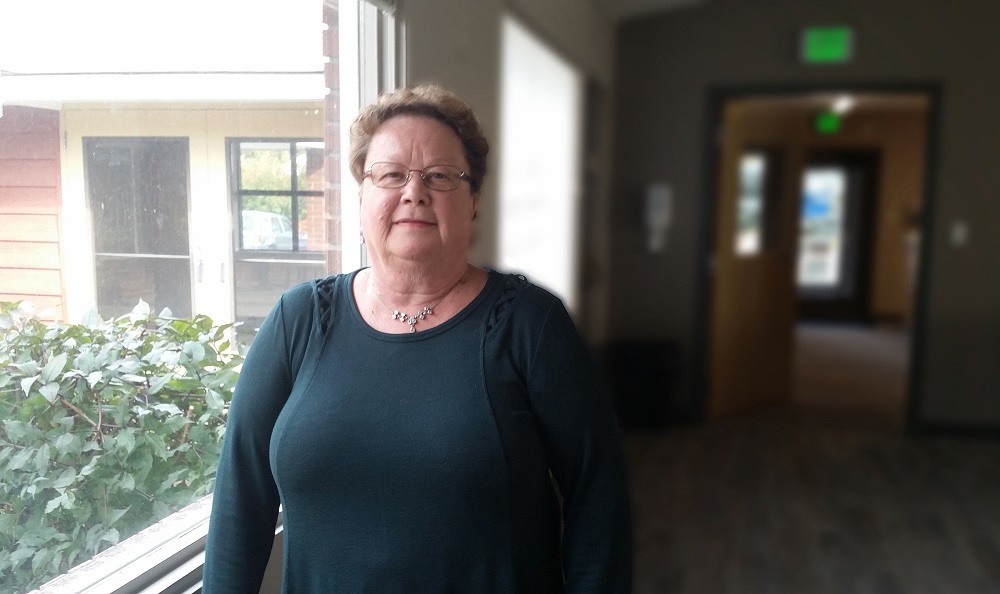
Familiar ground: GNP Jean Yoder, in the main conference room at KVH’s Radio Hill Facility. The room was once a dining area for assisted living residents at Royal Vista, where Yoder made weekly rounds. (Thumbnail photo: Radio Hill exterior.)

Jean Yoder has been a local fixture in senior patient care for the past 23 years.

“I’ve always liked working with elderly people,” says Yoder, who first ventured into the world of healthcare as a young candy striper, bringing meals and other items to patients in their hospital rooms. Years later, Yoder found her calling as a Geriatric Nurse Provider (GNP), bringing medical care to patients in their homes.

Yoder’s was the first class of GNPs at the University of Washington. “We learned from them and they learned on us,” she laughs. Then, after working with geriatricians in the Seattle area, Yoder learned about a program in Ellensburg led by then-director of Home Care and Hospice Carol Detweiler.

A fellow UW GNP graduate, Detweiler’s vision was to bring medical care delivery out of the traditional patient care setting and into the community, particularly for the frail elderly. It was a vision Yoder shared. “We wanted to make care available for those who couldn’t access it,” she recalls, “whether they were physically frail, struggled with dementia, or had other issues that made it difficult to get in and out of the home for medical visits.”

Soon, the program was underway with Yoder as the sole practitioner.

Yoder’s territory included Royal Vista (a skilled nursing facility) and Kittitas Valley Health and Rehabilitation. Every week, she spent two days at each location, and was on daytime call for both. Nights and weekends were covered by patients’ primary care physicians.

From the outset, the program included a collaborative practice with physicians in the community, starting with Drs. Wise, Schmitt and Anderson in Cle Elum, later expanding to Ellensburg and physicians such as Dr. Solberg, who was struck by the increased level of care his patients were receiving under the GNP program. “He and I made monthly rounds together in the skilled nursing facilities for years,” says Yoder.

The steady presence of a GNP helped fill the care gap for patients and their physicians, whose schedules didn’t often allow for regular visits to these facilities. “We could be on-site, evaluate an individual, see where their code status was, talk to family, talk to staff, and get a plan in place to set up and provide care.”

“We were very busy,” she recalls. “With up to 65 patients in each facility, there’s a lot that goes on from one day to the next.”

Covering the community.

Soon, a second GNP was hired, and Yoder began spending a day each week seeing assisted living patients at Mountain View Meadows (now Meadows Place), and eventually Hearthstone.

“It’s not quite as intense as a skilled nursing facility,” says Yoder. “We focus on treating patients in their environment, keeping them healthy and hopefully away from the E.R.”

The GNP team worked with staff to prevent or treat conditions like urinary tract infections, pneumonias, skin tears, cellulitis, etc. With so many variables, says Yoder, “you never knew what your day would be like.”

Another major shift occurred when GNP Anna Collins entered the picture, joining forces with Yoder to divide up days and locations, increasing overall coverage. Collins took on Meadows Place, while Yoder continued at Hearthstone. “We added on Dry Creek (now Pacifica). And in the middle of all that, we started doing home visits.”

According to Yoder, GNP home visits serve those “who fall through the cracks, in the sense that they have many medical problems, but don’t qualify for the Medicare A Home Program” which covers services from KVH Home Health.

Thankfully, Medicare does allow nurse practitioners to do home visits. “It used to be called a doctor’s home visit,” explains Yoder. “We go through the physician to get a home visit, evaluate the patient and, with the patient’s permission, set up a care plan.”

Once they’ve established care with a patient in their home, GNPs make monthly visits unless a change in health brings them by sooner. “If there’s a spell of illness, or an issue like a wound needing frequent dressing changes, or someone is really fragile and needs more attention and services, we work with a physician to bring in Home Health.”

Taking on the trends.

One big change Yoder’s seen during her time as a GNP is the amount of medications taken by seniors. “It used to be that five medications was remarkable. Now, we have people on 15 or 20,” she says. “We look at the whole picture to see how it’s all working, and focus on comfort while getting rid of unnecessary medications and testing.”

Another trend Yoder sees is a faster discharge from hospitals. “Even if a patient rehabs in a skilled nursing facility, what happens once they get home?” The GNP program will soon begin making home visits after patients are discharged. “You can see when you walk into the environment, what’s working, or isn’t, and what we need to do. It involves quite a bit of detective work.”

The next chapter.

Last month, the GNP office relocated to KVH’s newly remodeled Radio Hill facility – formerly known as Royal Vista, the place where Jean first began her GNP rounds in Kittitas County.

Now that things have come full circle, Yoder is set to retire. “I’ve let go of a lot of things already,” she says, as the GNP team has grown to include practitioners Nenna Nzeocha, Marquetta Washington, and Mary Nouwens. “It’s great to have them here. They want to do this work, and they’re not frightened by the scope and intensity of it.” And while she’s ready to focus on family and home remodeling, there are things Yoder will deeply miss – especially her working relationship with Anna Collins. “We’ve enjoyed each other and we communicate well together. We worked hard!,” she laughs.

Yoder is confident that the GNP program, under the visionary direction of KVH Chief Medical Officer Dr. Kevin Martin, is positioned to continue a pattern of growth in caring for patients throughout the county. Yoder’s optimism rests on a legacy shaped by years of faithful service.

“Nurse practitioners make a difference for patients, family, and staff,” she says. “I really believe that.”

Managed by Kittitas Valley Healthcare, HealthNews does not provide medical advice. For medical advice, please see your healthcare provider.

When wounds need help to heal

HealthNews · November 1, 2018 ·

Mary Nouwens

Long before she helped launch KVH Wound Care, Mary Nouwens grew up on a ranch. Among her favorite things to do was to help her father treat injured or sick cattle.

“I like science,” she grins, “and I believe people have a God-given bent to what they like.”

As an adult, she moved from cows to sheep when her children were small. She enjoyed treating the sheep when they needed medical attention. But once her kids were grown, Nouwens’ dreams of becoming a veterinarian shifted. “I wanted to serve people,” she says.

And off to nursing school she went.

Nouwens went on to earn a Master’s of Science in Nursing from Washington State University. She joined the provider team at Community Health of Central Washington. “It was a wonderful experience,” says Nouwens, who had no intention of leaving the clinic – until KVH moved forward with plans for a wound care service at KVH Hospital.

In August 2018, KVH Wound Care launched with Nouwens on board. She wasn’t surprised when things took off quickly and didn’t slow down: “Before this service started, the closest one was in Yakima.”

What is Wound Care?

While people treat their own superficial wounds with a bandaid and some antibacterial ointment, the treatment of chronic wounds (which take more than two weeks to heal) requires a skilled team with a focused treatment program.

“We see such a variety,” says Nouwens, including post-surgical wounds and diabetic foot ulcers. Patients visit Wound Care over a period of several weeks to months depending on outpatient treatment.

“When a wound becomes chronic, the makeup of the wound changes,” says Nouwens. “There’s an increase in white blood cells call neutrophils which try to clean up the wound and fight any bacteria that would want to colonize there. That keeps the wound in an inflammatory state.”

Often, the work of the wound care team is to take an inflamed wound back to its original condition through a clearing and cleaning process. The team then uses a variety of tools to accelerate healing. “We have so many specialized tools,” says Nouwens. “Alginates and collagens, special hydrofiber foams, wound vacs, and more.”

Each patient visit lasts about 30 minutes, giving staff time to talk with patients about managing their conditions as (for example) the patient’s dressing is changed. Wound Care stocks a variety of materials on wound care and prevention. “We try to provide education every time.”

Jim Gallagher

Beyond the bandages.

Nutrition is a frequent topic of wound care education, especially for patients dealing with complications from diseases like diabetes. “Nutrition is critical,” agrees Jim Gallagher, Director of Food & Nutrition Services at KVH Hospital. “It can reduce inflammation and also provide the necessary elements to produce new tissue for wound healing.”

Wound Care refers patients to Gallagher for nutritional services. Recently, “a patient got her dressings changed while we hung out for about half an hour and talked nutrition,” recalls Gallagher. “I want people to leave with a plan, so they know what they’re going to eat, and what they’re going to do. We pencil out a menu they can use.”

Based on individual patient needs, Gallagher often assigns more targeted therapies including certain vitamins, minerals, and amino acid supplements that can aid in healing. But for some patients there is also an underlying behavioral issue to address.

When it comes to diabetes, “some people just need to get ‘lean and mean,’” says Gallagher. “Others need to make sure they protect their feet, and take precautions to avoid wounds because they can they can be difficult to heal.”

“I’ve seen patients with Type 2 diabetes lose 40, 60, 80 pounds, and their diabetes disappeared completely,” says Gallagher. “Others had the symptoms disappear, but still needed to maintain preventative practices. Even elderly patients with Type 1 diabetes, if they eat right, stay active, and take their insulin when they should, may show very little ill effects from the disease.”

Positive changes start with attitude, believes Gallagher. “If you’re thinking about it, realizing you have a problem and you want to do something about it, that’s something we can definitely work with.”

  • « Go to Previous Page
  • Page 1
  • Page 2
  • Page 3
  • Page 4
  • Go to Next Page »

Primary Sidebar

Categories

  • KVH Stories
    • Patient Stories
    • Provider Stories
    • Donor Stories
    • Employee Stories
    • Volunteer Stories
    • Share Your Story
    • All
  • Blog Posts
    • Behind the Scenes
    • Childbirth & Family Education
    • Community
    • Health
    • Lifestyle
    • Provider
    • Safety
    • COVID-19
    • All
  • News & Media
    • KVH News
    • Weather/Disaster Notifications
  • Press Releases

Footer Top 1

HRSA National Health Service Corps Site

Footer Top 2

603 S. Chestnut Street - Ellensburg, WA 98926
509.962.9841

  • Facebook
  • Instagram
  • LinkedIn
  • Twitter
  • YouTube

Footer Top 3

Footer Bottom 1

Download the MyPatient Portal App
Apple Store Google Play Store

Footer Bottom 2

  • About KVH
  • KVH Legal Information
  • Price Transparency
  • Careers
  • Board of Commissioners
  • Contact Us
  • The Foundation at KVH

Footer Bottom 3

  • Our Locations
  • Hospital Services
  • Clinics & Specialty Services
  • Visiting Information
  • Patient Policies
  • Events & Education
  • Press Releases

Footer Bottom 4

Google Translate