• Skip to primary navigation
  • Skip to main content
  • Skip to primary sidebar
  • Contact Us
  • Pay My Bill
  • Patient Portal
  • Show Search
KV Healthcare

KV Healthcare

Your Home for Health

  • Find a Provider
  • Clinics & Specialties
        • Primary Clinics

        • KVH Family Medicine – Cle Elum
        • KVH Family Medicine – Ellensburg
        • KVH Home-Based Primary Care
        • KVH Internal & Adult Medicine
        • KVH Pediatrics
        • KVH Women’s Health
        • KVH Rapid Access
        • Specialty Services

        • Anticoagulation Clinic
        • Addiction Medicine
        • Specialty Clinics

        • ENT & Allergy
        • Cardiology
        • Dermatology
        • General Surgery
        • Home Health
        • Hospice
        • Neurology
        • Podiatry
        • Orthopedics
        • Urgent Care
        • Vascular Surgery
        • Workplace Health
        • Wound Care
        • Therapy Services

        • Physical Therapy
        • Speech Therapy
        • Occupational Therapy
  • Hospital Services
        • Services

        • Cardiopulmonary
        • Emergency Department
        • Imaging
        • Laboratory
        • Nutrition
        • Pharmacy
        • Surgical
        • Family Birthing Place

        • About Family Birthing Place
        • Class/Event Calendar
        • What to Expect
        • Birth & Family Education
        • Lactation Services
        • 4th Trimester Resource Center
        • Pregnancy & Infant Loss
  • Patients & Visitors
        • Patient Tools

        • Request Medical Records
        • Checking In
        • Visiting
        • Language Services
        • Quality of Care
        • Patient Portal
        • Patient Policies
        • Insurance & Billing

        • Accepted Insurance
        • Price Transparency
        • Financial Assistance
        • Pay My Bill
        • No Surprise Act - Balanced Billing
  • About KVH
        • About KVH

        • About KVH
        • Mission & Vision
        • Board of Commissioners
        • Administration
        • Quality of Care
        • DAISY Award Program
        •  

        • News & Blog
        • Events & Education
        • Contact Us
        • Locations
        • Work With Us / Careers
        • Foundation

        • About the Foundation
        • The Foundation Board of Directors
        • Programs to Support
        • Ways to Give
        • Donate Now
        • Foundation Events
  • Donate Now
Hide Search

families

Seasonal Affective Disorder in Kids

Elise Herman , MD · January 6, 2026 ·

The dark and grey days of winter can affect anyone’s mood. If the down feelings are frequent and last more than 2 weeks, this may be Seasonal Affective Disorder (SAD), a type of depression related to the shorter and darker days of fall and winter. While most common in teens and adults, SAD may also occur in children.

Decreased sunlight can cause the brain to make less of the chemical serotonin which helps to regulate mood. The increased darkness can result in excessive production by the brain of melatonin which helps to regulate sleep.  The result is feeling down, sluggish, and tired. Sleep problems may occur, including difficulty falling and staying asleep. This can then result in trouble waking up and oversleeping.

Mood changes such as irritability, negative thinking, and a lack of interest in what used to give pleasure are common with SAD. There may also be less interest in friends, socializing, and going out in general. Decreased appetite or changes in eating patterns are not unusual. If SAD is severe, there can be a deeper depression with thoughts of self-harm.

The ideal treatment for SAD is sunshine and more daylight, which is why it resolves in spring and summer. Until then, getting adequate exercise, especially outside (even in suboptimal weather) is helpful. If there are sunny days, encourage your kiddo to get out and enjoy it- better yet, go out together even if you have to bundle up due to cold temperatures.

 It is important to follow a regular schedule for sleep, which means no naps and no screen activities for the hour before bed. Even on the weekend, limit ‘sleeping in’ to no more than an extra hour or two because it can throw off the sleep schedule. If your child is struggling due to SAD, listen to how they are feeling, show support, and brainstorm together things that night help.

A UV light box (also called a sun lamp) is often recommended for SAD as it mimics natural sunlight and gives the brain better cues for healthy serotonin and melatonin production. Studies show that light boxes are effective if they provide 10,000 lux (‘light power’) and are used for at least 30 minutes each morning.  They are considered safe though it is important not to look directly at the light.  Check with your child’s provider to make sure light therapy is appropriate for your kiddo.

If symptoms are not improving despite the above suggestions, or last into spring and summer, your child’s provider should be consulted. If at any time your child has severe depression or thoughts of self-harm, seek care immediately.

more about The contributor

Dr. Elise Herman

Blog Posts
Profile

Dr. Herman is passionate about community health outreach, school programs, and child/family health and wellness. She has more than 31 years of experience as a pediatrician in Ellensburg, Washington, the last 3 with KVH Pediatrics. In 2022 Dr. Herman mostly retired from practice and continues to contribute blog posts and remain a visible advocate for kids in the community.

Measles in Children

Elise Herman , MD · March 5, 2025 ·

The rise in measles cases recently has many people, parents included, very concerned, and with good reason. Measles is a viral illness that can be very dangerous especially for infants, children under age 5 years, pregnant women, and those with immune system problems. As of 2/26/25, there have been 165 cases in 10 states, including Washington, and sadly one child has died. Although the number of infected people does not sound very high, measles is one of the most infectious viruses known, so numbers are likely to grow. Measles infects 90% of those exposed if they are not vaccinated.

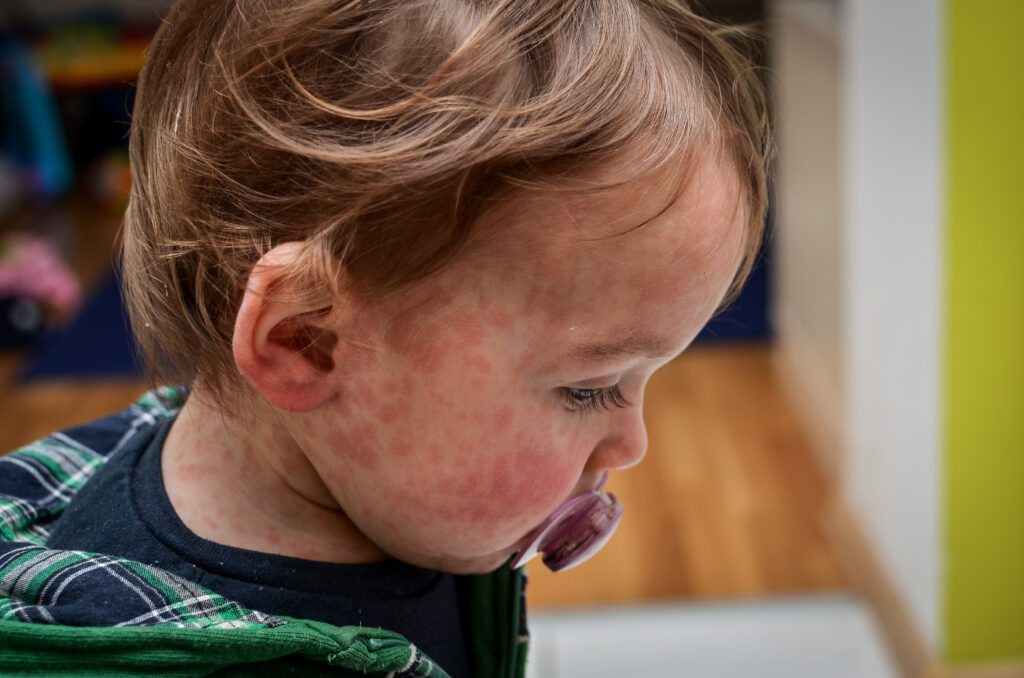
Measles starts with a fever (as high as 104), runny nose, cough, and red watery eyes. These symptoms usually start 7-14 days after exposure though it can take as long as 21 days to show signs. Two- three days later, small white spots inside the cheeks (Koplik spots) may show up. The typical measles rash starts on the face at the hairline about 3-5 days after symptoms begin. This rash consists of red, usually flat, spots that spread head to toe and may join together. Fever may spike to 104 when the rash appears. Diarrhea can also occur.

Complications are common with measles, especially in infants, children under age 5 years, pregnant women, adults over age 20 and those who have immune system deficits. Ear infections occur in 1 out of 10 kids with measles and pneumonia happens in 5% of all people infected. Brain inflammation (encephalitis) afflicts 1 out of 1,000 infected children and can cause brain damage, deafness, seizures, and death.  Nearly 3 in 1,000 kids with measles die, most commonly due to pneumonia or encephalitis. Pregnant women are at increased risk of delivering early and having a low-birth-weight baby.

There is a very rare complication that can occur 7-10 years after measles infection called Subacute Sclerosing Panencephalitis (SSPE). It is a brain disorder related to the earlier measles for which there is no treatment and results in death within 3 years of diagnosis without exception.

The good news is that the measles vaccine (either as MMR [measles, mumps, and rubella vaccines] or MMRV (as above plus varicella [chickenpox] vaccine) is safe and effective. For kids it is a 2-dose series, given at ages 12-15 months and 4-6 years; adults who are unvaccinated may only need one dose. One dose of a measles vaccine is 93% effective at preventing infection, and 2 doses gives 97% protection. Common side effects include muscle soreness at the injection site, low grade fever, and a mild rash. Rarely there can be a brief harmless seizure due to fever, occurring in less than 8 kids per 10,000 vaccinated.

The Health and Human Services Secretary Robert F. Kennedy, Jr, issued a statement on March 3, 2025, with the subheading “MMR vaccine is crucial to avoiding potentially deadly disease” and then noted “Vaccines not only protect individual children from measles, but also contribute to community immunity, protecting those who are unable to be vaccinated due to medical reasons.”

Earlier concerns about MMR vaccine and autism have been strongly disproved in multiple studies. The doctor who made those claims was found to have fabricated his ‘results’ and lost his medical license. Autism is often diagnosed at around the same age as when kids receive MMR vaccine, but the vaccine does not cause autism.

During a local measles outbreak, students who are unvaccinated are excluded from school for 21 days from the last measles rash identified in the community. If they are given the first dose of the MMR or MMRV series, they may return to school. If an unvaccinated child is exposed to measles, they should be immunized as soon as possible to decrease the risk of infection.

If you have questions about measles vaccination, contact your child’s health care provider. Measles is a very dangerous virus that is unfortunately also extremely contagious. Our best way of protecting our kids and our community is vaccination.

more about The contributor

Dr. Elise Herman

Blog Posts
Profile

Dr. Herman is passionate about community health outreach, school programs, and child/family health and wellness. She has more than 31 years of experience as a pediatrician in Ellensburg, Washington, the last 3 with KVH Pediatrics. In 2022 Dr. Herman mostly retired from practice and continues to contribute blog posts and remain a visible advocate for kids in the community.

Measles Cases Rising 2024

Elise Herman , MD · April 5, 2024 ·

Contributor Dr. Elise Herman

Measles cases are on the rise, and although numbers in the US are small right now, there is cause for concern. Measles is one the most contagious human viruses, with a 90% chance of someone who is not immune getting infected if they are near someone with measles. People with measles can infect others for 4 days before they have any signs of being sick, and for 4 days after the rash appears. The virus stays in the air and is infectious for 2 hours after the infected person has left. There is no treatment for the measles virus, however there is life-long immunity (protection) after vaccination as well as infection.

This recent rise in measles in the US is in part due to a mild drop in kids’ vaccination rates, often related to children missing routine health care visits during the pandemic. Although the current rate of kindergarteners fully vaccinated against measles is good at 92%, the previous rate of 95% was better particularly because that level gives ‘herd immunity’, meaning protection of those that were not or could not be vaccinated (due to young age, cancer treatment, or other immune system problems) by those who are vaccinated.

The number of measles infections world-wide has increased dramatically, up almost 80% in the last year to 306,000 cases. As people travel more, they can bring the infection home if they are not immune, potentially exposing many people before they know they are sick.

Measles spreads easily through airborne secretions from coughing or sneezing. Infection is also caused by direct contact with droplets from the mouth, nose, or throat. Symptoms develop 7-14 days later and start with profuse runny nose, cough, and red, swollen, watery eyes. Fever is often up to 104 degrees. The rash develops 3-5 days after cold symptoms begin and starts as flat red spots on the forehead, spreading downwards to the trunk and extremities. Some spots may become raised and join to from larger blotches. It is not usually itchy.

Measles itself is miserable, but the biggest concern is regarding complications. Serious complications include pneumonia in 1 out of 20 of those infected, encephalitis (brain inflammation and swelling) in 1 out of 1000 infected, and rarely, temporary or permanent blindness (more common in developing countries). One out of 5 unvaccinated people in the US with measles will be hospitalized, and 1-3 out of 1000 will die. Children under 5 and adults over 20 are most at risk of serious complications. Also at increased risk are pregnant women and those with immune system problems.

Measles vaccination is safe and effective and gives life-long immunity. Prior concern of a connection between the MMR (measles, mumps, and rubella) vaccine and possible autism was based on fake ‘research’ and has been disproven by multiple studies by the American Academy of Pediatrics, the World Health Organization, and the Institute of Medicine.
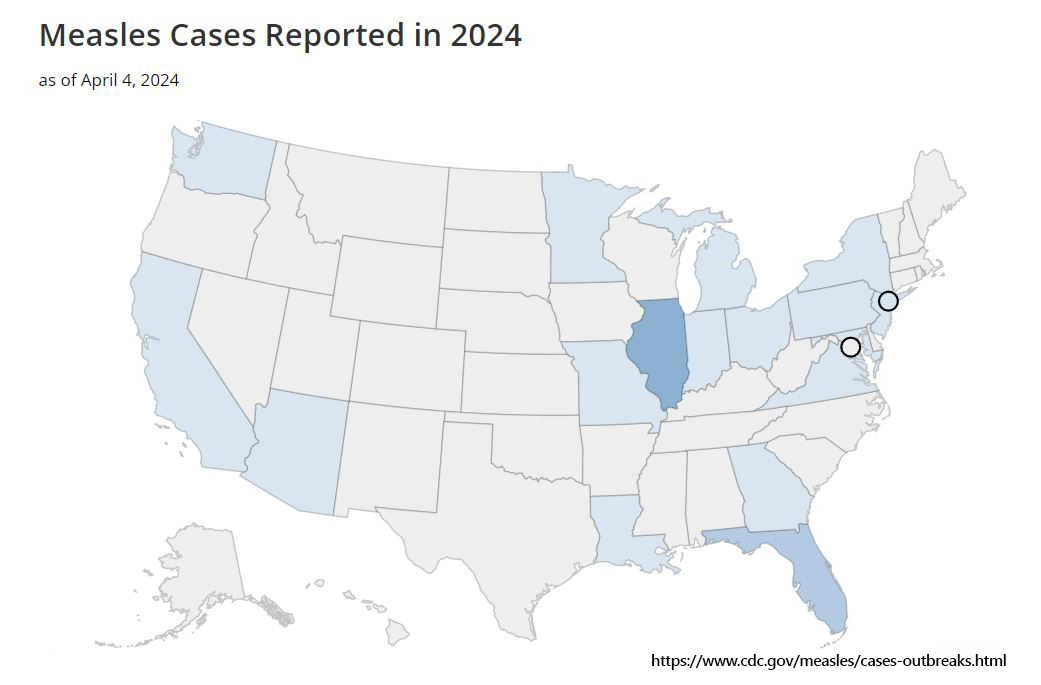
There has been a 99% decrease in measles cases since the vaccine came out in 1963. Prior to the vaccine, there were 3-4 million cases annually in the US and about 48,000 people hospitalized, most of which were children. Add approximately 500 deaths and 1,000 cases of encephalitis each year, and it is easy to see how miraculous vaccination has been.

The best way to protect ourselves, as well as the approximately 9 million people in the US who cannot get the vaccine due to an immune system problem, is to be vaccinated. Measles vaccine is recommended for kids aged 12 months and again between 4 and 6 years. It is also approved for adults who did not receive it as children. There are 2 types of measles vaccines- the MMR (as above) and the MMRV (also protects against varicella/chickenpox). Your child’s health care provider can provide additional information on measles vaccination.

Recursos en español

more about The contributor

Dr. Elise Herman

Blog Posts
Profile

Dr. Herman is passionate about community health outreach, school programs, and child/family health and wellness. She has more than 31 years of experience as a pediatrician in Ellensburg, Washington, the last 3 with KVH Pediatrics. In 2022 Dr. Herman mostly retired from practice and continues to contribute blog posts and remain a visible advocate for kids in the community.


The Importance of a Healthy Environment

HealthNews · March 11, 2024 ·

Contributor Dr. Elise Herman

One of the biggest factors in human health is the environment. Underlining this importance, the United Nations entities issued a joint statement in 2021 recognizing the “right to a safe, clean, healthy and sustainable environment” for all people. An unhealthy environment may include water pollution, air pollution, chemical exposures, loss of biodiversity, and the effects of climate change such as wildfires. There are more than 12 million deaths globally each year attributed to unhealthy environments according to the Office of Disease Prevention and Health Promotion. These deaths disproportionately affect lower income individuals, children, and impoverished populations. Children are more affected by environmental issues because they have greater exposure to air pollution, water pollution, toxins, etc. in proportion to their body weight than adults.

Causes of air pollution include the burning of fossil fuels (such as coal, oil, and gasoline), industrial emissions, wildfires, and the open burning of garbage. Air pollution causes a variety of lung diseases as well as allergies. It is considered the most significant environmental risk factor and is blamed for about 7 million deaths worldwide each year. Three hundred million children worldwide routinely breathe air considered to be toxic.

Water pollutants include industrial waste, agricultural runoff, microplastics, sewage, and waste that filters out of landfills. According to the World Health Organization, about 2 billion people have no choice but to use water polluted by human excrement, causing hepatitis A, cholera, and other diseases.

As land development increases with loss of open spaces and wilderness, wildlife and people are forced closer to each other. This proximity results in increased risk of zoonotic diseases (diseases which can travel from animals to humans). Examples of zoonotic diseases include rabies, HIV/ AIDS, and COVID-19. Climate change also puts more stress on animal habitats, contributing to this problem.

The benefits of a healthy environment are clear not just on physical health but also on mental and emotional well-being. Access to open green spaces and nature has been shown to help reduce stress, depression, anxiety, and mood disorders.  These ‘open spaces’ can include wilderness like a forest or mountain, but a green city park or a path by a river also count.

Here in Kittitas County, we are fortunate to live in a beautiful location with clean water, (usually) clean air, and access to open space. The most significant problem locally has been intermittent air pollution from wildfires. We also have the excellent Kittitas County Public Health Department to surveil and manage environmental health issues. 

Keeping in mind that human consumption is a huge contributor of harm to the environment, we can make a difference in our valley and beyond by taking simple steps:

  • Drive less, consider walking or biking, when possible, instead.
  • Turn your thermostat down in winter, and up in the summer if you use air-conditioning.
  • Buy in bulk when you can; avoid products that use a lot of packaging, especially plastic.
  • Avoid single use plastic bags; bring your own reusable bags for produce and other shopping.
  • Create a vegetable garden with your child or take part in a CSA (Consumer Supported Agriculture, where you can ‘subscribe’ to get produce from a local farm).
  • Learn to say “no” to unneeded, cheaply made toys and other goods (often plastic) which are giveaways or very inexpensive but will quickly be tossed in the garbage.
  • Purchase less clothing in general, and buy clothes from consignment shops/ secondhand stores, either brick and mortar or on-line (such as Poshmark and Thred Up)
  • Compost kitchen and yard waste.
  • Recycle properly; be familiar with what can and cannot be recycled locally.
  • Conserve electricity by using LED light bulbs, sealing air leaks around windows and doors, and turning off lights when not needed.
  • Be mindful of water use.
  • Buy local and avoid home delivery of goods when possible.
  • Eat produce in-season and from local growers- local farmers’ markets are terrific for this!
  • Use a reusable water bottle; avoid single use plastic water bottles and cups.

Discuss these steps as a family and brainstorm other ways to help protect our environment.

more about The contributor

Dr. Elise Herman

Blog Posts
Profile

Dr. Herman is passionate about community health outreach, school programs, and child/family health and wellness. She has more than 31 years of experience as a pediatrician in Ellensburg, Washington, the last 3 with KVH Pediatrics. In 2022 Dr. Herman mostly retired from practice and continues to contribute blog posts and remain a visible advocate for kids in the community.
Reach Out and Read

Elise Herman , MD · March 14, 2022 ·

Contributor: Dr. Elise Herman

The pandemic has affected so many things for our children, including their education. Despite incredible efforts by devoted teachers and school staff, progress in reading has suffered significantly, with many more students at risk of not learning to read than prior to the pandemic. Kids who do not learn to read in elementary school are at greater risk of dropping out, earning less, and getting in trouble with the law.

A valuable community resource for helping children become good readers may surprise you—it’s your child’s healthcare clinic. The national literacy program for children, Reach Out and Read, has been at Community Health of Central Washington for about 10 years and started at Kittitas Valley Healthcare pediatric and family medicine clinics this month. Reach Out and Read (ROR) was founded in 1989 by a group of pediatricians and educators. It promotes reading by giving out free books at every well child visit from age 6 months through 5 years, and is the only children’s literacy program endorsed by the American Academy of Pediatrics.

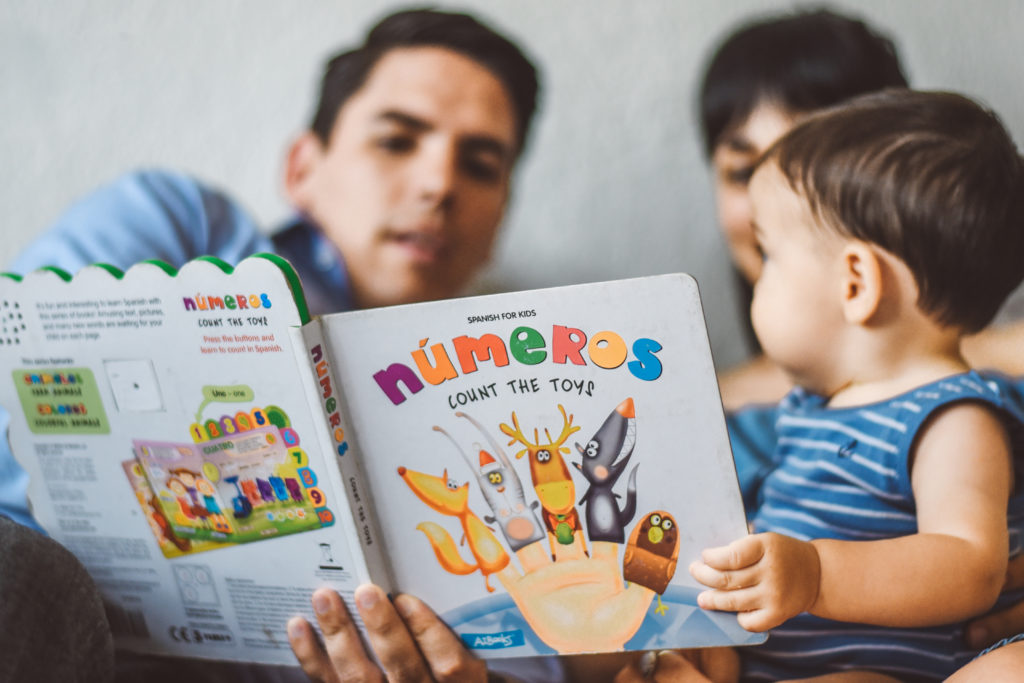
The books chosen are age appropriate and culturally sensitive to be ideal for each child. At the well child check, the provider shows the book to the child, perhaps modeling for the parents how to engage with their child through reading, while encouraging the child to handle and explore the book. This is typically an extremely positive part of the visit for all!

The effects of reading together with kids early and consistently are impressive. This activity and the extra love and attention that go along with it help promote brain development, especially important in the first three years of life. Children who are read to tend to develop better recognition of letters and sounds, have a bigger vocabulary, and become better listeners. The connection between parent and child while reading is also reassuring and soothing.

Research has shown that kids who are part of Reach Out and Read show better language scores (both speaking and listening) and their language development continues to improve with ongoing involvement with the program. ROR parents are twice as likely to read to their kids at least 3 times a week, and report increased enjoyment with reading together.

Here are a few tips to best encourage reading in your home:
  • Read together daily, especially at bedtime
  • Encourage your child to hold the book and turn the pages
  • You don’t have to read the words exactly, especially to young children; you can just talk about the pictures
  • Encourage your child to point to things in the book and ask your child questions Simple books, with rhyming and repetition, are perfect for young kids
  • Bilingual books and books about people from different cultures build empathy and understanding of others
  • Be a good role model and regularly read yourself, ideally using traditional books as opposed to an electronic device
Early Literacy Resources in Spanish
  • Aprendiendo juntos en casa/ Learning together at home
  • Leer en el jardín de infantes (kindergarten)/ reading in kindergarten
  • Ayude a su niño a aprender a leer / Help your child learn to read
  • Érase una vez, Once Upon a Time – children’s stories read in Spanish 

more about The contributor

Dr. Elise Herman

Blog Posts
Provider Profile

Dr. Herman is passionate about community health outreach, school programs, and child/family health and wellness. She has more than 31 years of experience as a pediatrician in Ellensburg, Washington, the last 3 with KVH Pediatrics. In 2022 Dr. Herman retired from practice and continues to contribute blog posts and remain a visible advocate for kids in the community.

Primary Sidebar

    Footer Top 1

    HRSA National Health Service Corps Site

    Footer Top 2

    603 S. Chestnut Street - Ellensburg, WA 98926
    509.962.9841

    • Facebook
    • Instagram
    • LinkedIn
    • Twitter
    • YouTube

    Footer Top 3

    Footer Bottom 1

    Download the MyPatient Portal App
    Apple Store Google Play Store

    Footer Bottom 2

    • About KVH
    • KVH Legal Information
    • Price Transparency
    • Careers
    • Board of Commissioners
    • Contact Us
    • The Foundation at Kittitas Valley Healthcare

    Footer Bottom 3

    • Our Locations
    • Hospital Services
    • Clinics & Specialty Services
    • Patients & Visitors
    • Patient Policies
    • Events & Education
    • Press Releases

    Footer Bottom 4

    Google Translate