• Skip to primary navigation
  • Skip to main content
  • Skip to primary sidebar
  • Contact Us
  • Pay My Bill
  • Patient Portal
  • Show Search
KV Healthcare

KV Healthcare

Your Home for Health

  • Find a Provider
  • Clinics & Specialties
        • Primary Clinics

        • KVH Family Medicine – Cle Elum
        • KVH Family Medicine – Ellensburg
        • KVH Home-Based Primary Care
        • KVH Internal & Adult Medicine
        • KVH Pediatrics
        • KVH Women’s Health
        • KVH Rapid Access
        • Specialty Services

        • Anticoagulation Clinic
        • Addiction Medicine
        • Specialty Clinics

        • ENT & Allergy
        • Cardiology
        • Dermatology
        • General Surgery
        • Home Health
        • Hospice
        • Neurology
        • Podiatry
        • Orthopedics
        • Urgent Care
        • Vascular Surgery
        • Workplace Health
        • Wound Care
        • Therapy Services

        • Physical Therapy
        • Speech Therapy
        • Occupational Therapy
  • Hospital Services
        • Services

        • Cardiopulmonary
        • Emergency Department
        • Imaging
        • Laboratory
        • Nutrition
        • Pharmacy
        • Surgical
        • Family Birthing Place

        • About Family Birthing Place
        • Class/Event Calendar
        • What to Expect
        • Birth & Family Education
        • Lactation Services
        • 4th Trimester Resource Center
        • Pregnancy & Infant Loss
  • Patients & Visitors
        • Patient Tools

        • Request Medical Records
        • Checking In
        • Language Services
        • Quality of Care
        • Patient Portal
        • Patient Safety & Security
        • Patient Policies
        • Insurance & Billing

        • Accepted Insurance
        • Price Transparency & Billing Services
        • Washington Health Plan Finder
        • Financial Assistance
        • No Surprise Act - Balanced Billing
        • Insurance vs. Self Pay
        • Bills from Other Providers
        • Pay My Bill
        • Visitors

        • Visiting Information
        • Mother’s Room
        • Café
  • About KVH
        • About KVH

        • About KVH
        • Mission & Vision
        • Board of Commissioners
        • Administration
        • Quality of Care
        • DAISY Award Program
        •  

        • News & Blog
        • Events & Education
        • Contact Us
        • Locations
        • Work With Us / Careers
        • Foundation

        • About the Foundation
        • The Foundation Board of Directors
        • Programs to Support
        • Ways to Give
        • Donate Now
        • Foundation Events
  • Donate Now
Hide Search

Provider

Let’s talk about vaping

HealthNews · October 28, 2019 ·

Contributor: Chelsea Newman, PA-C, KVH Family Medicine – Cle Elum

The news has recently been inundated with stories of a mysterious illness affecting those who use vaping products. The illness has led to serious lung disease and death in several previously healthy individuals. The CDC and FDA are currently investigating these vaping-linked illnesses and as of October 8, 2019 there are more than 1,299 lung injury reports and 26 confirmed deaths in the US linked to vaping products. Many of these cases involve vaping products containing nicotine and THC, the principle psychoactive ingredient of cannabis. Symptoms of the illness include coughing, shortness of breath, chest pain, fever, nausea, vomiting and diarrhea. Currently, no specific ingredient or chemical has been identified as the cause of the lung disease but all those affected have used vaping products.

Rates of vaping have been on the rise for several years and the most rapid increase has been with teenagers. Among the current vaping associated epidemic, more than 1/3 of reported lung injuries are in those 18 and younger. The 2018 National Youth Tobacco Survey found alarming increases in e-cigarette use among middle and high school aged students and 68% of kids using e-cigarettes are using flavored vape products. Manufacturers of these devices are directly appealing to children with flavors like bubble gum, cotton candy and watermelon. Devices are also made to resemble USB drives in order to discretely use without notice and deceive parents and teachers. Most e-cigarette and vapes contain nicotine, an extremely addictive substance that only reinforces the desire to smoke or vape. Nicotine also has a host of negative health impacts in the body and can alter the development of the maturing adolescent brain.

So what can be done? How can we as healthcare providers, teachers, parents, family members and friends help discourage vaping and e-cigarette use among those that we care about?

One strategy is to talk about it. Don’t assume the sweet, 14-year-old volleyball player sitting in front of you wouldn’t do that kind of thing. Kids are impressionable and easily swayed by peer pressure. Whether you are talking with your patient, student, child or friend, don’t be afraid to ask about vaping use. Be non-judgmental and give advice out of concern. Learn about the variety of vaping products and delivery systems available so that you can recognize them.

We should also be talking with adults who vape. Vaping has been touted as a smoking cessation aid for some but there are significant health risks associated with continued use of nicotine and with so called nicotine-free vape. There are several carcinogens in the agents used to aerosolize the vapor. Also, kids with parents that vape are more likely to think it is safe or acceptable.

Another strategy to curb use is to make these products less appealing and less available. Earlier this month, the Washington State Board of Health passed emergency legislation to ban the sale of all flavored vape products. This legislation lasts only until February 2020 and will be up for renewal. While it helps to address some current safety concerns, it is also a strategy to curb adolescent use and to make these products less appealing and less available while investigators look for the cause of this vaping epidemic.

If you or someone you know is vaping and would like to quit, there are abundant resources to help. Washington also has several resources including counseling with a smoking cessation coach at 1-800-QUIT-NOW or www.quitline.com. There is also a new free app called 2Morrow cessation with a customized quit plan with lessons, daily messages and reminders and access to a live coach. Healthcare providers are on the front line of treating nicotine addiction and a great resource for behavioral and medical strategies to help abstain. Please contact your local health care provider or health department for more help on smoking cessation.

Managed by Kittitas Valley Healthcare, HealthNews does not provide medical advice. For medical advice, please see your healthcare provider.

Collaborative Care

HealthNews · October 7, 2019 ·

KVH Contributor*

Auren O’Connell, DNP, PMHNP
KVH Family Medicine – Cle Elum

In a medical emergency or when you are not feeling well, one word often comes to mind, “doctor”. According to Merriam-Webster, “The word doctor comes from the Latin word for ‘teacher,’ itself from docere, meaning ‘to teach.'” 

Patient education and teaching are not my first expectation when I seek medical care. “Give me something to feel better” or “make me better” is often on my mind.

Thankfully, many medical conditions are easily treatable and only require brief treatment or interventions. Other conditions are not so simple, requiring occasional follow-up and/or chronic management.

As a society we are living longer, and as we age we are more vulnerable to chronic conditions and mismanagement thereof. If managing our health condition didn’t seem like enough, then comes the cost and coordination of various visits, all of which can snowball and seem overwhelming. 

As a whole, healthcare and funding are transitioning from volume-based (fee for service) to value-based (fee for value). Within this paradigm shift, evidence-based practice models of team-based collaborative care are being deployed, most targeting chronic conditions and/or mental health problems.

There are many terms being tossed around: integrated, medical home, collaborative care, chronic care management, etc. All these terms are important, but all emphasize patient-centered, collaborative, and team-based interventions.

At the core of these models is an emphasis on teaching and collaboration by all members of the care team, including the patient, who teaches the care team about his/her own strengths, needs, and preferences.

The primary care provider is the head coach on the team and is empowered to deliver comprehensive and connected healthcare through a shared treatment plan with measurement-based targets. Nurses and/or care managers help to coordinate the treatment plan, offer self-management support, and answer questions by phone and in person visits.

All of this equates to more value and resources for both the patient and the team.

Quality and collaboration are core values of Kittitas Valley Healthcare. In my experience as a psychiatric nurse practitioner, whole health and value-based healthcare is at the core of what drives both leadership and providers within Kittitas Valley Healthcare. Fortunately, reimbursement models with payers are emerging which will allow for expansion of value-based healthcare that emphasizes quality evidence-based interventions, care coordination support, and collaboration for patients who need it most.

Your primary care provider may approach you about participation in our new chronic care management program or our collaborative behavioral healthcare program, which will be launching in the future. I plan to share more on collaborative behavioral healthcare at a later date, but these are my thoughts on value-based healthcare and collaboration as a whole. 

*Opinions expressed by KVH Contributors are their own. Managed by Kittitas Valley Healthcare, HealthNews does not provide medical advice. For medical advice, please see your healthcare provider.

Play time for children

Elise Herman , MD · September 19, 2019 ·

KVH Contributor*
Elise Herman
Dr. Elise Herman
KVH Pediatrics

Play time for children

As a pediatrician, I often tell parents that with the exception of books (which are free from the library), they have everything they need within them to raise a happy and healthy child. Reading to your child, getting outside, and playing cost nothing, are technology – free, fun and easy.

Play in particular is generating a lot of interest right now; it has been shown to promote brain development as well as social and emotional well-being. ‘Unstructured’ play (no adult control or directing) allows kids to explore their world, try on different roles and work through their fears. Kids learn how to interact in groups, lead and share, and resolve conflicts, thereby developing vital positive behavioral skills. This type of play encourages creativity and experimentation. It also helps kids work on their “executive function” which is important with decision making and controlling impulsivity. There is evidence that neural pathways in kids’ brains are enhanced through the skills that develop with unstructured play.

Of course the physical benefits of playing including running, jumping, throwing, climbing, etc., are obvious. Playing outside offers even more benefits. Kids tend to burn more calories playing outside than inside, important in our current fight against childhood obesity. Fresh air and contact with nature are helpful in reducing stress levels. Research has shown that kids who play outdoors regularly tend to stick with tasks longer, be more curious and self-directed.

Quite simply, then, play is crucial to child development and learning. Unfortunately, play is threatened on a variety of fronts. There is increasing pressure on children (even kindergartners) to perform academically, and school days can be packed with ‘orderly activities’ with less time for unstructured and especially outdoor play. Many school districts have decreased the amount of recess time as well as PE. The draw of passive entertainment (TV, computer, you tube, video games) is such that the American kids age 5 to 16 spend an average of 6 ½ hours a day in front of a screen, much of it on personal devices such as tablets and smart phones. These personal devices mean kids are usually by themselves without parental involvement—not ideal. Unstructured play is getting squeezed out by this, and our children are the worse for it.

In general, children seem to have a lot more scheduled activities in their increasingly busy days, leaving less time for unstructured play. Between sports, music, etc. parents often feel they hardly have enough time to meet for dinner with their children (but please make time for those family meals!). So how to make time for this important activity? Something may have to give for your child to have the recommended minimum 60 minutes a day of unstructured play, but keep in mind that the benefits of this type of play are many and long lasting. And although unstructured play means you won’t be directing the play, you can still be involved – just let your child lead. Good for everyone!

*Opinions expressed by KVH Contributors are their own. Managed by Kittitas Valley Healthcare, HealthNews does not provide medical advice. For medical advice, please see your healthcare provider.

Pediatric food allergies

Elise Herman , MD · September 12, 2019 ·

KVH Contributor*
Elise Herman
Dr. Elise Herman
KVH Pediatrics

Pediatric Food Allergies

We seem to hear a lot more about food allergy lately – and for good reason. Food allergy is more common in kids than adults, the prevalence of it is increasing, and 8% of all kids under the age of 6 have food allergies. Understanding food allergy and the newest recommendations about peanut allergy is important for parents and anyone interacting with children.

A food allergy is an abnormal immune response of the body to a particular food. You must be exposed to a certain food at least once (either by eating directly or via breast milk) in order to have an allergic reaction. An allergic reaction occurs when the immune system’s IgE antibodies react with the food, which releases histamines. These histamines cause the signs and symptoms of food allergy that range from mild to life threatening.

90% of all food allergies are caused by the following foods: milk, eggs, wheat, soy, tree nuts (walnuts, almonds, etc.), peanuts, fish, and shellfish. In children, eggs, milk and peanuts are the most common causes of food allergy. Severe reactions are usually caused by peanuts, tree nuts and seafood. Children often outgrow their allergies; 80-90% of milk, egg, wheat and soy allergies resolve by age 5 years. Allergies to peanuts, tree nuts and seafood are more likely to persist. Approximately only 1 in 5 children will outgrow their peanut allergy.

An allergic reaction to a food usually occurs within minutes to hours of eating it. In addition to hives and wheezing, a child may also have itching, swelling of lips/ tongue, shortness of breath, stomach pain, lowered blood pressure, vomiting, diarrhea and/or anaphylaxis (a severe shock-like reaction). Testing for food allergy is only done if there is a strong suspicion of allergy; an abnormal test does not always mean the child is truly allergic. Testing may include blood tests or a skin prick test.

Treatment for food allergies most importantly means avoiding that food (and similar foods) – not easy in today’s world of processed foods that may contain many ingredients. Even a tiny amount of the offending food can trigger a reaction. Epinephrine is the only treatment for severe allergic reactions and comes in the form of an auto-injector called Epi-Pen. Allergy specialists typically do allergy testing and decide if a child should have an Epi-Pen. It is crucial that anyone who will have contact with a child who has a severe food allergy is aware of this and has access to (and knows how to use) an Epi-Pen.

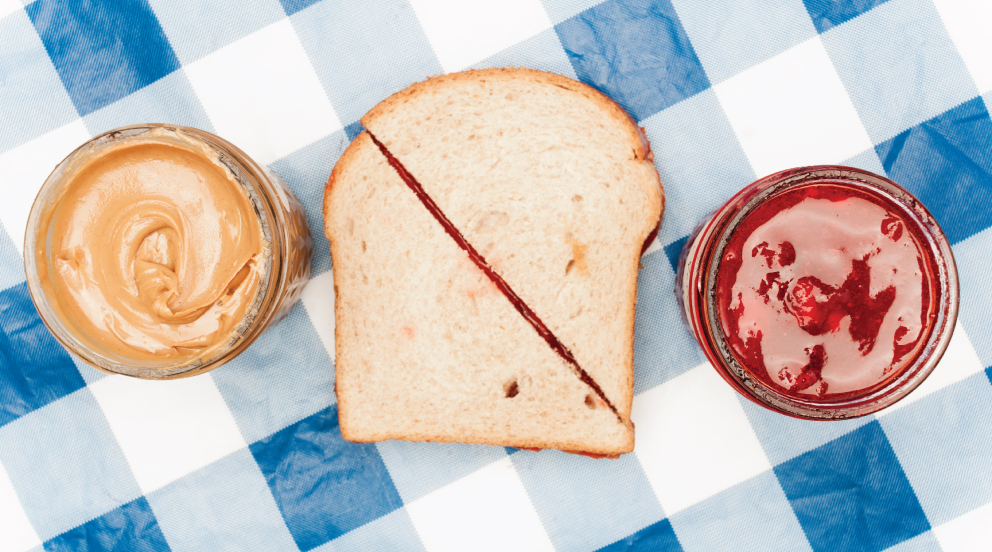
There has recently been exciting news about peanut allergy, which affects 2% of all children. Previously the recommendation was to wait until at least age 1 year for peanut products but it has been shown that earlier introduction actually decreases a child’s risk of peanut allergy. New guidelines from the National Institute of Allergy and Infectious Diseases state that for those children at highest risk – those with severe eczema and/or egg allergy – blood testing should be done by age 4-6 months, and if abnormal the child should see an allergist.

For children who have mild to moderate eczema, peanut products may be introduced and given regularly starting at age 6 months. If the infant has no eczema or food allergy, peanut products may be introduced “freely” into the diet and given regularly with other foods at age 4-6 months (ideally solids are begun at 6 months for breast-fed infants). It is important to remember that peanut products may be a choking hazard. A small amount of smooth peanut butter blended into other foods such as applesauce or oatmeal is ideal. If a rash or any sign of allergy occurs, a doctor should be contacted.

*Opinions expressed by KVH Contributors are their own. Managed by Kittitas Valley Healthcare, HealthNews does not provide medical advice. For medical advice, please see your healthcare provider.

Chores and Children

Elise Herman , MD · September 5, 2019 ·

KVH Contributor*
Elise Herman
Dr. Elise Herman
KVH Pediatrics

Chores for Children
Little girl washing dishes in the kitchen

As parents, one of our goals is to raise our kids to become responsible, independent adults. Part of this process is having kids do chores, although it is safe to say most kids do not see the value in this activity. Besides becoming proficient at basic household duties, chores also teach kids responsibility and the importance of making a contribution. Doing chores makes kids feel needed and valued – even if they complain about it!

Chores seems to be a waning part of family life, squeezed out by pressure for kids to compete academically and be involved in lots of extracurricular activities.  It has been shown, however, that giving kids chores early (starting at age 2-3) leads to good relationships with family and friends, as well as academic and early career success. Besides creating a sense of self-sufficiency, doing chores teaches empathy and consideration for others, according to psychologist Richard Weissboud of the Harvard Graduate School of Education.

So how to make those kids do chores? Ideas abound, including household chore apps and chore charts. Just the way we adults phrase the concept can make a difference. Saying, “Thanks for being a helper” was much more persuasive to kids than “Thanks for helping,” according to a recent study in the journal Child Development. Emphasizing the child’s identity as a ‘helper’ was very motivating. Telling kids that they “get to help” as opposed to “have to help” feeds into a child’s desire to be ‘grown up’.

We all like to have a choice in life – and the same holds true for kids and chores. Listing all jobs to be done and letting kids choose from the list each week increases the odds they will feel positively about their tasks. Rotating jobs is a fair way to divvy up responsibilities. Tying chores to allowance has actually been shown to be counterproductive; when paid to do housework, kids actually are less motivated to work hard and help out the family. When creating a chore chart, remember to be specific, stating the steps to a job. “Cleaning the bathroom” is vague; “scrub the toilet, clean the sink and tub” is more precise and easy to follow.

Being consistent with a time for the family to do chores together makes it more of a group activity – everyone pulling together for the greater good. Phrasing it as a time to do “our” chores as opposed to “your” chores emphasizes that doing chores is a way we take care of each other. Listing time for chores on the calendar makes the expectation very clear. Kids are also more likely to have a good attitude if we remember not to complain about our own household duties – those little ears are listening!

Start kids out early in terms of household responsibilities. Toddlers can help by putting away toys, clearing unbreakable dishes from the table and putting clothes in the hamper. Preschoolers can sweep, wash plastic dishes and empty wastebaskets. By age 8 or 9 kids can load a dishwasher, vacuum, pull weeds, etc. The child “gets to do” more and more as they get older, and you get the satisfaction of raising a self sufficient and responsible child! There might be some grumbling along the way, but doing chores is an important part of childhood and ultimately kids feel good about contributing and becoming more self-reliant.

*Opinions expressed by KVH Contributors are their own. Managed by Kittitas Valley Healthcare, HealthNews does not provide medical advice. For medical advice, please see your healthcare provider.

Childhood Obesity

Elise Herman , MD · August 29, 2019 ·

KVH Contributor*
Elise Herman
Dr. Elise Herman
KVH Pediatrics

Childhood Obesity

Childhood obesity is truly an epidemic. In the past 30 years, the percentage of American kids who are overweight has tripled to 17%, or about 1 in 5 children. Additionally, the very heaviest children are even bigger than previously. Adults also have an increasing rate of obesity, but it is especially sad to see kids now dealing with what used to be adult-only health issues due to obesity: Type 2 diabetes, high blood pressure, high cholesterol and lipid levels, fatty liver, sleep apnea and joint problems. Obese children are more likely to grow up to be obese adults, with increased risk of stroke, heart disease, high blood pressure and diabetes.

The emotional and psychological side of obesity is significant as well. These children have greater occurrence of depression, low self-esteem, poor body image and eating disorders. Overweight kids are also more likely to be bullied, compounding their distress.

There is no single cause of childhood obesity, but there are know factors that contribute, including the child’s diet. Diets higher in fats and simple sugars and lower in fruits and vegetables are linked to obesity. Drinking sweetened liquids such as soda and juice can count for lots of extra calories with minimal nutrition. Even diluted juice can give a child extra calories and sugar they do not need and is not recommended on a regular basis. Milk, although a good source of calcium and protein, should be limited to 16 ounces per day.

Snacking can be a major source of calories for American kids, as snacks are increasingly processed and high calorie. Some kids snack almost continuously and can take in more than a quarter of their daily calories in this way; this is especially true in 2-6 year olds. Having regular family meals with minimal snacking decreases the risk of childhood obesity.

Genetics may play a role as well, although the bigger issue may be the environment—high calorie snacks, inadequate exercise and lack of regular family meals probably contribute more than actual genetics.

Exercise helps kids maintain a healthy weight by not only burning calories but also by keeping them busy and elevating their mood. Like adults, kids may eat out of boredom or for emotional reasons; exercise works against this. Due to computer, TV, personal electronic devices and video games, however, kids are more sedentary than ever. Limiting the usage of electronics and encouraging kids to get at least 1 hour of exercise a day (with most of this being aerobic exercise) is important.

A surprising contributor to childhood and adult obesity is lack of sleep. This may be due to hormonal alterations, less regular meals and poorer food choices when sleep-deprived. It is recommended that kindergartners get 10-12 hours of sleep a night, with the amount decreasing as kids get older, with the goal for the teen to be 9-10 hours per night.

So what’s a parent to do? Like many issues, setting a good example is important. Regular family meals, minimal snacking of healthy foods such as fruits and vegetables, routine exercise (ideally outside to elevate the mood and keep us away from the kitchen!) and regulated use of technology all help. The goal should also be a healthy lifestyle and healthy habits, not a number on the scale or the desire to be thin, as this could backfire and predispose to an eating disorder. Have fun with your family as you enjoy regular meals together as well as getting out and being active, and preventing childhood obesity will be a natural healthy side effect!

*Opinions expressed by KVH Contributors are their own. Managed by Kittitas Valley Healthcare, HealthNews does not provide medical advice. For medical advice, please see your healthcare provider.

Safe Sleep for Baby

Elise Herman , MD · July 3, 2019 ·

KVH Contributor*
Elise Herman
Dr. Elise Herman
KVH Pediatrics

Safe sleep for baby

Many parents are familiar with the recommendation that newborns should sleep on their backs, but ‘safe sleep’ is more than just the positioning of the baby. The American Academy of Pediatrics (AAP) has addressed sleep safety both in the 2016 original safe sleep policy (for newborns and infants up to age 1) and in a recent update April 2019.  The Family Birthing Place at Kittitas Valley Healthcare is making safe newborn and infant sleep a focus with materials given to parents in prenatal classes, those delivering at KVH and those whose young child is seen in the KVH Emergency Department.

The fact that annually more than 2,500 babies in the US die unexpectedly while sleeping is tragic. These deaths are often due to SIDS (Sudden Infant Death Syndrome) or accidental suffocation or strangulation.  The “Back to Sleep” campaign in 1994 recommended babies sleep on their backs and as a result the SIDS rate decreased by half. This continues to be the recommendation both for nighttime sleeping and naps. The crib should be free of blankets, pillows, bumper pads, stuffed animals, etc. – some call this “the naked crib”. 

If desired, babies can sleep in a wearable blanket or sleep sack to keep them warm enough at night  –  but not too warm. It is better for babies to ‘sleep cool’ than get overheated while sleeping. Swaddling with a thin breathable cotton blanket is fine until 1-2 months of age. The swaddle should be snug around the chest but looser around the legs so the baby can move her hips freely. It is important that the swaddling blanket cannot get up around her face. 

The sleeping surface should be flat and firm- it should not indent when baby is lying on it. Devices that aim to position the baby a certain way for sleep (like the “Rock N Play”) have been found to be dangerous and are not recommended. Babies should sleep close to the parents’ bed but in their own space (i.e. crib, bassinet, portable crib).  The AAP recommends room sharing ideally for the first year of life but at least for the first 6 months.

Although room-sharing is recommended, bed-sharing is not. Baby may come into the parents’ bed only for feeding and comforting and then be returned to his own ‘sleep space’ when the parent is ready for sleep.  Babies should never sleep on a couch, armchair, or other soft surface as these pose a significant suffocation risk.

Smoke exposure is associated with an increased risk of SIDS; if a parent is a smoker they should smoke outside of the home and change clothes before being near the baby.  Ideally, they should quit smoking for their own health as well as that of the baby’s.

All parents are tired, all parents want their newborns and infants to sleep well, but sleep safety is vital. Having babies sleep in their own space, on their backs, not over-bundled, on a firm, flat surface, and without anything else in the bassinet or crib is essential for sleep safety.

For more information here is the link to the AAP’s policy:  
SIDS and Other Sleep-Related Infant Deaths:  Updated 2016 Recommendations for a Safe Infant Sleeping Environment https://pediatrics.aappublications.org/content/138/5/e20162938

*Opinions expressed by KVH Contributors are their own. Managed by Kittitas Valley Healthcare, HealthNews does not provide medical advice. For medical advice, please see your healthcare provider.

AAFP interview

HealthNews · May 7, 2019 ·

Dr. Merrill-Steskal talks with AAFP News about keeping adolescent immunization rates high. Find highlights here: https://www.aafp.org/news/health-of-the-public/20190424vaccineq-a.html

Wellness Goals

HealthNews · March 27, 2019 ·

KVH Contributor*
Auren O'Connell 
Auren O’Connell, DNP, PMHNP
KVH Family Medicine – Cle Elum

Planting Trees

SMART goals come in all sizes – but even smaller actions can have big results! 

It is spring! How are you feeling? Excited, sad, happy, anxious, tired, energized?

Whatever you are feeling, if you were able to instantly identify your mood in this moment, then half the battle is over – so, good job! What truly matters is whether or not you want to continue feeling the way you are now.

Are you desperate for change?

All of us have been desperate for change at one point or another in our lives. This is why many of us create New Year’s resolutions, but in my experience, such resolutions often amount to nothing more than a frustrating tradition, when we feel stuck in our ability to solve a problem or accomplish a goal. At times, even annual medical visits can seem like a tradition that leads to frustration.

How do we bridge the gap from frustration to confidence and achievable goals?

Big, audacious, and long term goals are typically created with the SMART acronym in mind:

S: Specific (state exactly what you want to accomplish)
M: Measurable (use smaller markers to be able to measure progress)
A: Attainable (think big, but keep it reasonable)
R: Relevant (set a goal that will be relevant to you all year)
T: Timely (allocate enough time and set a time block or target date)

There are whole workshops dedicated toward creating SMART personal goals, but I want to challenge you to create a SMART goal that you can achieve today or tomorrow. Also, I encourage you to start your goal with “Today I will…”

  • “Today, I will read an enjoyable book called ‘Teaming’ for 15 minutes, from 9:45 to 10:00 p.m.”
  • “Tomorrow morning, I will do stretching, breathing exercises, and 50 push-ups and sit-ups from 6:45 to 7:00 a.m.”

(Avoid: “if I have time,” “maybe,” “if the weather allows,” or “I would like to.”)

As I write these goals out, I literally went from feeling tired to feeling empowered. These are bite size goals that represent small steps towards my long term New Year’s resolution goals.

You may have a goal to lose weight, be more active, or have more energy. If you are feeling frustrated in your journey, keep in mind, you can create an attainable SMART goal in just a few minutes.

In addition to bite size goals, try to find one pleasant activity to engage in on a daily basis. This pleasant activity may take 5 minutes or 5 hours.

Maybe it is petting your dog or cat, taking a warm shower or bath, calling a family member or friend, or just sitting in a nice chair and taking a few moments to clear your mind.

As we develop SMART goals, we become unstuck and begin to bridge the gap from frustration to achievable goals. It doesn’t matter how small or big your goals are, all that matters is that your goals are being accomplished in (hopefully) a SMART and intentional pursuit.

I would encourage you to plan for an annual visit with your primary care provider in 2019 if you haven’t already done so. This may be your first SMART goal, but during your next visit with a nurse or medical provider, share a couple of your SMART goals and pleasant activities that you have been engaging in. If you still feel stuck, frustrated, or completely lost by this exercise, feel free to reach out to your provider for help.

*Opinions expressed by KVH Contributors are their own. Managed by Kittitas Valley Healthcare, HealthNews does not provide medical advice. For medical advice, please see your healthcare provider.

How to Raise a Great Kid

Elise Herman , MD · March 18, 2019 ·

KVH Contributor*
Elise Herman
Dr. Elise Herman
KVH Pediatrics

There are lots of parenting books and websites out there, but in trying to keep it simple, here are some tips on how to raise a great kid:

Talk and sing to your baby while you hold, feed or play with him; eye contact and face to face interaction promotes brain development.

Start books early with your baby and read to her every day – make it part of the bedtime routine.  If you speak a second language at home, read books in that language, too.

Get outside with your child every day (unless absolutely too cold, icy, etc.) – good for kids and adults!  Getting outside is healthy exercise and good for us emotionally as well.

Start family meals with your child as soon as she starts eating solids (4-6 months) and continue through adolescence. Family meals promote healthy eating, connection with each other and have been shown to decrease risky behaviors in teens.

No screens (other than looking at photos or doing video chat such as Skype, though even this should be limited) until 2 years. Avoid fast moving content such as cartoons and stimulating videos, which has been shown to lead to trouble paying attention later in life. Slow moving content such as Mister Rogers/Daniel Tiger makes more sense to kids. Avoid YouTube especially if you are not watching with your child since you do not know what will be ‘recommended’ for him to ‘watch next’.

Put your phone or other devices away when with your child. We adults miss out on valuable interactions with our kids when we are distracted by technology. We are sending a clear message to them that they are not as important as the phone, etc. And of course our kids want to imitate us and be on a phone, too – not what we want to encourage!

Establish routines for meals, naps and bedtime. We all thrive with a predictable routine.

Play with your child – really play!  Channel your inner child, pretend, be silly, play dress-up, play tag. Let your child lead and encourage unstructured play with her peers; the adults can be nearby but not directing/controlling what happens. Play has been called “the work of childhood” because it is so important to kids.

Praise good behavior right at the time you see it.  Ignore the little things he does “wrong” but be consistent if there is a real problem – hitting, disrespect, etc.  Spanking is not effective discipline but having a “time-out”, taking away privileges and natural consequences (for example if a child throws food off the high chair tray and he has been told not to, meal time is over) are.  Stay calm; yelling is scary and bewildering to kids.

Chores make kids feel valued and also encourage a sense of family responsibility. Kids learn how good it feels to help out and to be counted on.  When they (eventually!) leave home, we want them to have the skills to be independent adults. Yes, that means scrubbing the toilet!

Wait until your child is at least 14 years old to have a cell phone (Microsoft CEO Bill Gates’ recommendation!), and many experts suggest a flip phone (no Internet) for at least one year to see if the child is responsible enough for a ‘smart phone’. Better yet, ask why she ‘needs’ a smart phone. Given the risks of social media (anxiety, depression) and the negative effect on reading, getting outside, family time, etc. it is reasonable to avoid the smart phone until much older.  Your child may not be happy, but is a parent’s job to do what is best for the child, not to make him happy.

Elise Herman, MD, is the mother of 2 terrific kids who are by no means perfect!

Managed by Kittitas Valley Healthcare, HealthNews does not provide medical advice. For medical advice, please see your healthcare provider.

  • « Go to Previous Page
  • Page 1
  • Page 2
  • Page 3
  • Go to Next Page »

Primary Sidebar

Categories

  • KVH Stories
    • Patient Stories
    • Provider Stories
    • Donor Stories
    • Employee Stories
    • Volunteer Stories
    • Share Your Story
    • All
  • Blog Posts
    • Behind the Scenes
    • Childbirth & Family Education
    • Community
    • Health
    • Lifestyle
    • Provider
    • Safety
    • COVID-19
    • All
  • News & Media
    • KVH News
    • Weather/Disaster Notifications
  • Press Releases

Footer Top 1

HRSA National Health Service Corps Site

Footer Top 2

603 S. Chestnut Street - Ellensburg, WA 98926
509.962.9841

  • Facebook
  • Instagram
  • LinkedIn
  • Twitter
  • YouTube

Footer Top 3

Footer Bottom 1

Download the MyPatient Portal App
Apple Store Google Play Store

Footer Bottom 2

  • About KVH
  • KVH Legal Information
  • Price Transparency
  • Careers
  • Board of Commissioners
  • Contact Us
  • The Foundation at KVH

Footer Bottom 3

  • Our Locations
  • Hospital Services
  • Clinics & Specialty Services
  • Visiting Information
  • Patient Policies
  • Events & Education
  • Press Releases

Footer Bottom 4

Google Translate