• Skip to primary navigation
  • Skip to main content
  • Skip to primary sidebar
  • Contact Us
  • Pay My Bill
  • Patient Portal
KV Healthcare

KV Healthcare

Your Home for Health

  • Find a Provider
  • Clinics & Specialties
        • Primary Clinics

        • KVH Family Medicine – Cle Elum
        • KVH Family Medicine – Ellensburg
        • KVH Home-based Primary Care
        • KVH Internal & Adult Medicine
        • KVH Pediatrics
        • KVH Women’s Health
        • KVH Rapid Access
        • Specialty Services

        • Anticoagulation Clinic
        • Addiction Medicine
        • Specialty Clinics

        • ENT & Allergy
        • Cardiology
        • Dermatology
        • General Surgery
        • Home Health
        • Hospice
        • Neurology
        • Podiatry
        • Orthopedics
        • Urgent Care
        • Urology
        • Vascular Surgery
        • Workplace Health
        • Wound Care
        • Therapy Services

        • Physical Therapy
        • Speech Therapy
        • Occupational Therapy
        • Cle Elum Therapy Services
  • Hospital Services
        • Services

        • Cardiopulmonary
        • Emergency Department
        • Imaging
        • Laboratory
        • Nutrition
        • Pharmacy
        • Surgical
        • Family Birthing Place

        • About Family Birthing Place
        • Class/Event Calendar
        • What to Expect
        • Birth & Family Education
        • Lactation Services
        • 4th Trimester Resource Center
        • Pregnancy & Infant Loss
  • Patients & Visitors
        • Patient Tools

        • Request Medical Records
        • Checking In
        • Language Services
        • Quality of Care
        • Patient Portal
        • Patient Safety & Security
        • Patient Policies
        • Insurance & Billing

        • Accepted Insurance
        • Price Transparency & Billing Services
        • Washington Health Plan Finder
        • Financial Assistance
        • No Surprise Act - Balanced Billing
        • Insurance vs. Self Pay
        • Bills from Other Providers
        • Pay My Bill
        • Visitors

        • Visiting Information
        • Mother’s Room
        • Café
  • About KVH
        • About KVH

        • About KVH
        • Mission & Vision
        • Board of Commissioners
        • Administration
        • Quality of Care
        • DAISY Award Program
        •  

        • News & Blog
        • Events & Education
        • Contact Us
        • Locations
        • Work With Us / Careers
        • Foundation

        • About the Foundation
        • The Foundation Board of Directors
        • Programs to Support
        • Ways to Give
        • Donate Now
        • Foundation Events
  • Donate Now
  • Pay My Bill
  • Patient Portal
  • Find a Provider
  • Clinics & Specialty Services
  • Hospital Services
  • Patients & Visitors
  • About KVH
    • Mission & Vision
    • Board of Commissioners
    • Administration
    • Contact Us
    • KVH News
    • Our Locations
    • Quality of Care
  • Careers at KVH
    • Culture & Mission
    • Education
    • Providers
    • Non-Clinical
    • Volunteer
    • Nursing
    • Professional Development
    • Clinical
  • The Foundation at KVH
    • Donate Now
    • About the Foundation
    • The Foundation Board of Directors
    • Foundation Events
    • Programs to Support
    • Your Impact
    • Ways to Give

HealthNews

Julie Petersen Wins Leadership Award

HealthNews · November 1, 2022 ·

Kittitas Valley Healthcare CEO wins the prestigious Joe Hopkins Memorial Award from the Washington State Hospital Association

Ellensburg, WA, November 1, 2022 –Julie Petersen, Kittitas Valley Healthcare CEO was awarded the 2022 Joe Hopkins Memorial Award at the Washington State Hospital Association’s (WSHA) Annual meeting on Monday, October 17. The Joe Hopkins Memorial Award was created in 1987 to acknowledge an individual who displays the spirit of Joe Hopkins’ vision and dedication to Washington’s hospitals.

Julie began her career in health care almost 40 years ago as a staff accountant for Group Health Cooperative in Seattle. Since 2016, she has served as the CEO of Kittitas County Public Hospital District No. 1 and Superintendent of Kittitas County Public Hospital District No. 2 serving Upper Kittitas County. Julie has been a member and Chair of the WSHA Rural Committee and is the past president of AWPHD and past chair of WSHA. The American Hospital Association (AHA) invited Julie to be a member of its Task Force on Ensuring Healthcare for Vulnerable Communities and to represent small and rural hospitals on the AHA Regional Policy Board for Region nine.

Julie has been a strong leader for rural hospitals and all hospitals in Washington for decades, and she is particularly dedicated to ensuring rural residents have access to high-quality care in every community in Washington. When Julie returned to Ellensburg in 2016, Medical staff development and Board development were high on her list of priorities and resulted in the first medical staff development plan for Kittitas Valley Healthcare.

Additionally, Julie was also focused on improving partnerships with local private practices, Community Health of Central Washington, Central Washington University and our regional referral centers so KVH could serve more of our community here at home. As a result of this continuing work, access to healthcare in our rural county is stronger. In recent years Julie has led KVH through a worldwide pandemic and has been a key partner with other community agencies in caring for the residents of Kittitas County.
“Julie is a practical visionary,” stated Michele Wurl, Chief Public Relations Officer at KVH. “Whether focusing on bringing services to the bedside, resources to the workforce or partners to the table, she is skilled at looking forward and working with all partners to make a vision reality. Julie sets the tone for Kittitas Valley Healthcare through her dedication, hard work, tireless commitment and constant compassion for her employees and community.”

Watch Congratulation Video

Photo: Julie Petersen, CPA, KVH Chief Executive Officer

Media Contacts:
Michele Wurl, Chief Public Relations Officer
509.933.8838
mwurl@kvhealthcare.org

Get With The Guidelines® Award

HealthNews · October 25, 2022 ·

Kittitas Valley Healthcare has been nationally recognized for its commitment to providing high-quality stroke care

The American Heart Association presents the Get With The Guidelines®-Stroke Gold Plus Award for proven dedication to ensuring all stroke patients have access to best practices and life-saving care

Kittitas Valley Healthcare has received the American Heart Association’s 2022 Get With The Guidelines®-Stroke Gold Plus Award for its commitment to ensuring stroke patients receive the most appropriate treatment according to nationally recognized, research-based guidelines, ultimately leading to more lives saved and reduced disability.

Stroke is the No. 5 cause of death and a leading cause of disability in the U.S. A stroke occurs when a blood vessel that carries oxygen and nutrients to the brain is either blocked by a clot or bursts. When that happens, part of the brain cannot get the blood and oxygen it needs, so brain cells die. Early stroke detection and treatment are key to improving survival, minimizing disability and accelerating recovery times.

Get With The Guidelines puts the expertise of the American Heart Association and American Stroke Association to work for hospitals nationwide, helping ensure patient care is aligned with the latest research- and evidence-based guidelines. Get With The Guidelines – Stroke is an in-hospital program for improving stroke care by promoting consistent adherence to these guidelines, which can minimize the long-term effects of a stroke and even prevent death.

The Mission: Lifeline and Get With The Guidelines programs make it easier for our teams to put proven knowledge and guidelines to work on a daily basis, which helps us ensure more people in central Washington experience longer, healthier lives.

About Get With The Guidelines

Get With The Guidelines® is the American Heart Association/American Stroke Association’s hospital-based quality improvement program that provides hospitals with the latest research-based guidelines. Developed with the goal of saving lives and hastening recovery, Get With The Guidelines has touched the lives of more than 12 million patients since 2001. For more information, visit heart.org.

Mary Holmgren (KVH Volunteer)

HealthNews · April 19, 2022 ·

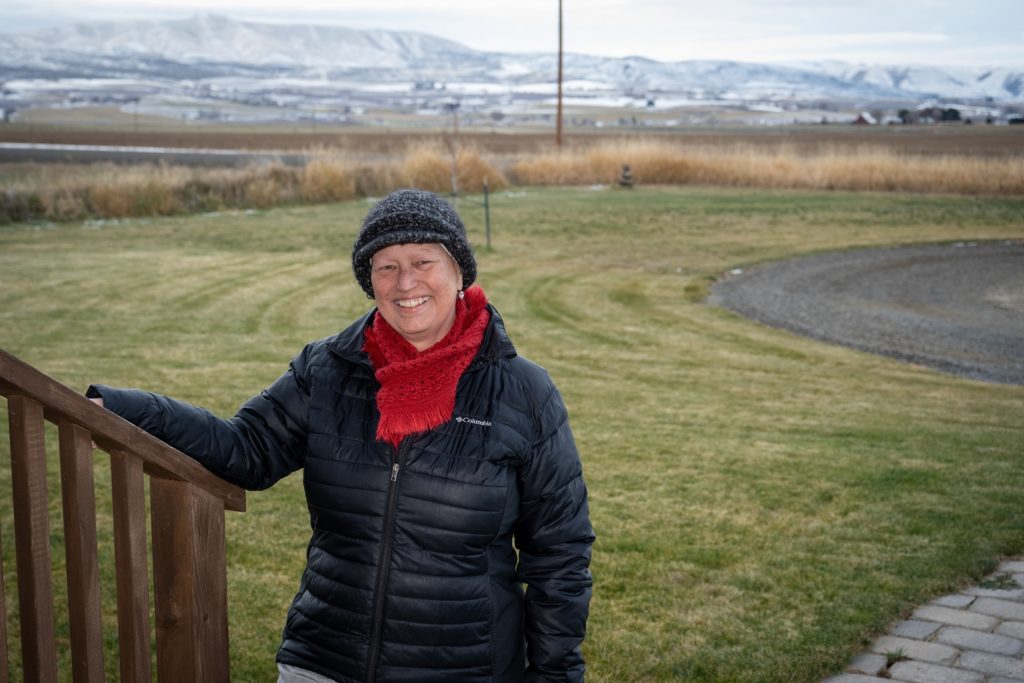
In 2022, April 17-23 is National Volunteer Week.

It was early 2002 when Doug and Mary Holmgren, freshly retired, moved east to be near to their children’s growing families. Not long after, a granddaughter was born at KVH Hospital.

“I noticed the hospital was preparing to open a gift shop,” says Mary, who had volunteered for years at the Mary Bridge hospital gift shop and knew a thing or two about retail.

When the KVH gift shop was ready to open, Mary was there to volunteer. Of course, it wasn’t all hard work. “Dolly McFadden did the coffee and I did the shop,” recalls Mary. “Wyman (Renfrow) would be here sometimes. We’d all get a bit noisy when there were no customers around. We were having a good time.”

The trio stayed flexible, shifting into new roles wherever they were most needed. Mary moved across the hall to the courtesy desk, and Wyman to the outpatient waiting area, to help patients and family members who were visiting the hospital. After their shifts, the friends would often have lunch together and catch up on family news.

Twenty years later, Mary remains a familiar face at KVH Hospital. She’s spent most of her adult life volunteering, even during a busy career as a pediatric nurse. “I enjoy meeting people,” she explains. She considers KVH “a nice place to volunteer,” adding, “Much of the time, the people you’re helping are neighbors and friends.”

That strong desire to help others unexpectedly pulled Mary out of retirement and onto the KVH payroll for several years. During a visit to her doctor at KVH Internal Medicine, one of the nurses was clearly struggling: a family emergency on the east coast was her heart’s priority, yet she was unable to travel without someone to cover her clinic shifts.

Enter Mary. Still waiting to be seen by the doctor, Mary realized there was something she could do to help. “I’m a registered nurse, you know,” she offered. “I have my license.”

The moment Mary’s exam ended, the nurse took her straight to the clinic manager. There was no hesitation. “I was signed up right then and there,” says Mary, who worked in an on-call capacity for the next half-dozen years, covering for maternity leaves, vacation, sick days, and more. She was happy to help, and did so on her own terms. “If Doug and I had a vacation planned, I let them know I wasn’t available. It worked out well for everybody.”

When COVID struck in 2020, protocols changed as the safety of patients and staff became more important than ever. With a strict visitation policy in place, volunteers were among those who were unable to enter the hospital and clinics. Mary took the next available opportunity to serve, lending a hand in late 2020 during COVID vaccination efforts at KVH Hospital and again at the mass vaccination clinics held at the Fairgrounds in 2021.

Today, Mary’s back at the courtesy desk, helping patients with her trademark smile, visible even behind a face mask. KVH staff are thrilled to see the return of volunteers, who are more like work family and were dearly missed. “We really need nurses, Mary,” one of her former Internal Medicine colleagues teased, recently.

Mary laughs. “I said, ‘I’m done.’ I retired at the end of 2013, and didn’t renew my license.”

Donation by The Foundation at KVH

HealthNews · April 7, 2022 ·

The Foundation at KVH presents Kittitas Valley Healthcare with Donation

(Ellensburg) March 31, 2022 – The Foundation at Kittitas Valley Healthcare, which directly supports the programs and services of Kittitas Valley Healthcare, presented a check for $402,690.00 to Kittitas Valley Healthcare on Tuesday, March 29, 2022.  The release of funds is the largest in Foundation history thanks to generous donations from the community. 

“The Foundation is pleased to fund new state-of-the-art equipment for use in the surgical unit, CADD pumps for use by Home Health and Hospice and cardiac stress testing equipment from our FUND-A-Need campaigns of 2020-21,” said Bill Boyum, Foundation Board President.  “The new equipment uses the most advanced technology available and the Foundation is excited to be able to make this purchase for Kittitas Valley Healthcare.”

“Community support has always made us stronger and the need for charitable contributions is as great as it has ever been, said Foundation Board President, Bill Boyum. “The opportunity for meaningful impact is immense.”

The Foundation raises funds annually through an annual appeal to donors, Tough Enough to Wear Pink breast cancer awareness campaign and through fundraising events.

Foundation Board President, Bill Boyum, along with The Foundation Board of Directors, present KVH Commissioners Dr. Robert Davis and Jon Ward, KVH CFO, Scott Olander and KVH Chief of Facilities, Ron Urlacher with a check on Tuesday, March 29, 2022.

For Immediate Release (PDF)


For more information on The Foundation at KVH, or to make a donation, please visit kvhealthcare.org/foundation.

Tony Nelson (COVID-19)

HealthNews · January 31, 2022 ·

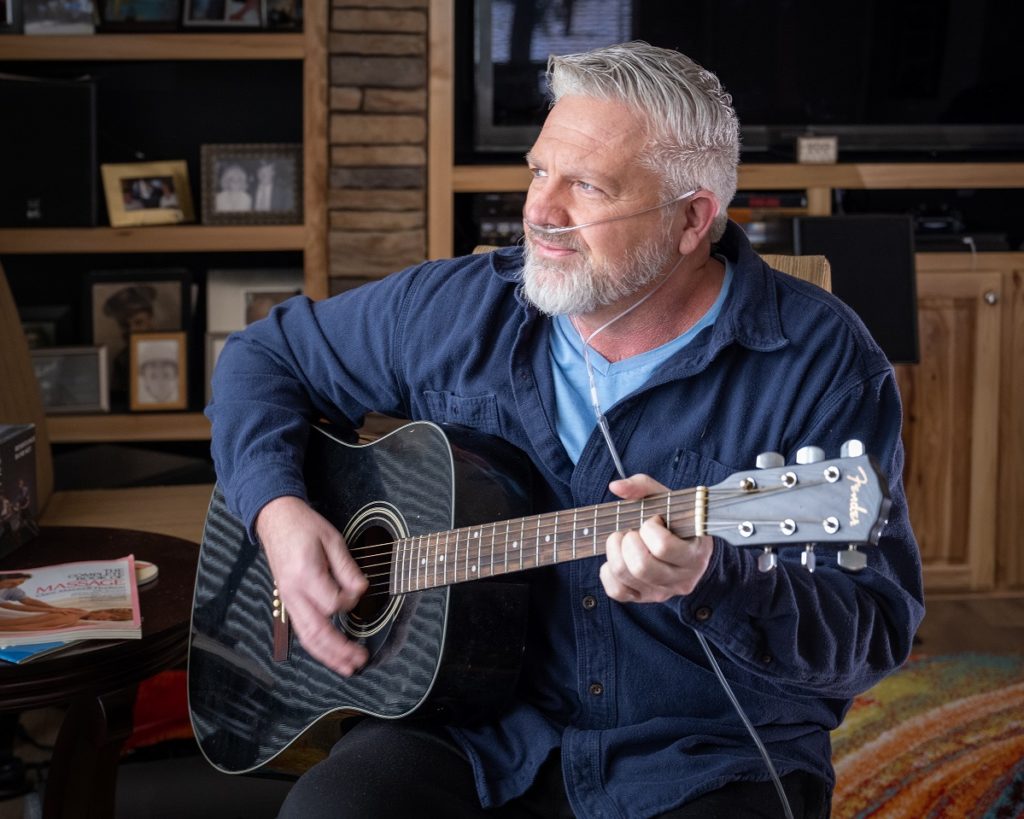
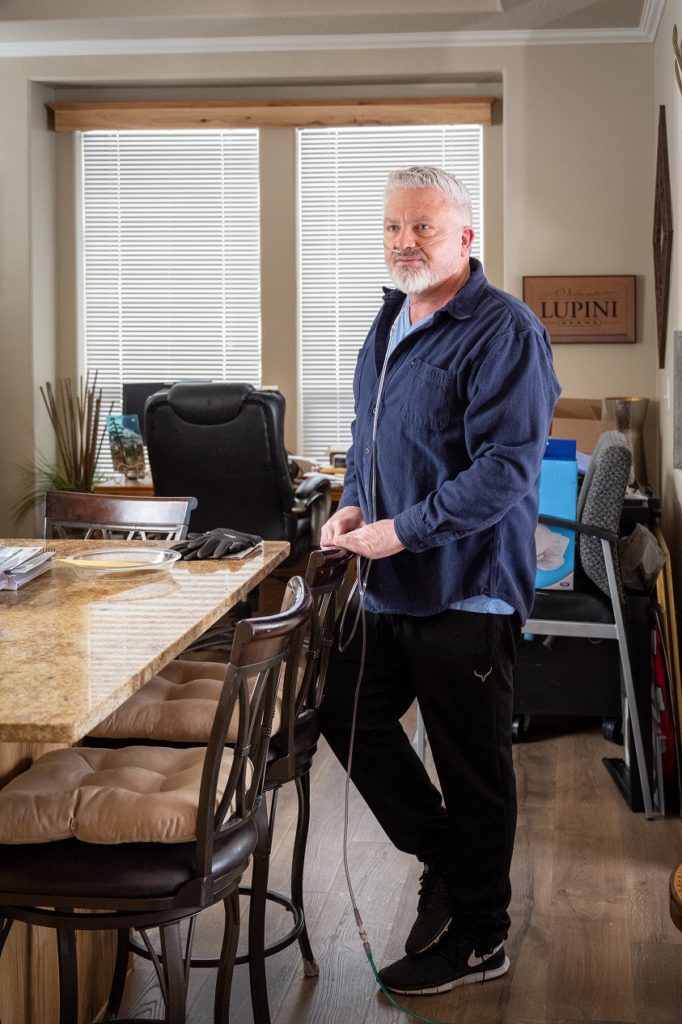
Reliable friend. Life of the party. Hardworking. People person.

That’s how Anthony Nelson’s friends and family have always described him. With a quick wit, sharp intellect and enviable social skills, Tony, 49, enjoyed a thriving dual career as a mortgage broker and realtor in Upper Kittitas County for the past 17 years. “I was helping people make the biggest purchase of their lives,” he says.

Then COVID struck.

Tony spent several days in a fever and mental fog. Concerned, his girlfriend took him to KVH Urgent Care in Cle Elum for a COVID test. While waiting at home for test results, Tony’s condition worsened. He stopped answering his phone. Tony’s mom sent an urgent text to her best friend, Marta Whalen, a nurse at KVH Hospital.

“She asked me to check in on Tony,” says Marta, who was on a trip to Colorado at the time. “She was worried that he sounded ‘not great’ on the phone.” The next day, Marta got a voicemail: Tony had COVID. Good thing Marta hadn’t been able to visit and be exposed to it.

“I’m thinking just the opposite,” says Marta, as what she jokingly calls her “nursing brain” went into high gear. “Yeah, I do probably want to go there if he has COVID and doesn’t sound good.” She returned to Washington the next day and made a beeline from the airport to Tony’s place.

Marta entered the house in mask and gloves. “I was vaccinated, but I hadn’t come face-to-face yet with a ‘full-blown’ COVID patient,” she admits. It was dark as she sat on the far corner of Tony’s bed and asked if she could turn the lights on. He agreed.

“Every breath in and out was wheezing, with difficulty,” recalls Marta, who knew she had to act quickly. She gave Tony the choice: call 9-1-1 or head to the urgent care clinic.

Tony opted for Urgent Care. It took mere minutes to assess him, and soon Tony was loaded into an ambulance. Before the rig departed, Marta made sure he had his wallet, phone and charger. “I knew Tony wasn’t coming home any time soon.”

Saving a Life

Tony has no memory of the ambulance ride or his time at KVH Hospital. He was shocked months later when scrolling through photos on his cell phone and discovering a video he’d made from his hospital bed. “I really thought I was dead,” he says, “so I made a video message for my family. ‘Mom, Dad, I love you. I wish I could have been a better son,’ – you know, just sad, very sad.”

Tony’s condition quickly deteriorated. He was airlifted to Harborview, where he spent 59 days on a ventilator, got a tracheostomy, was placed in a medically induced coma and then on ECMO (extracorporeal membrane oxygenation – a process that uses a special machine to replace the functions of the heart and lungs by externally processing and circulating a patient’s blood supply).

The gravity of Tony’s condition was clear to everyone. Without hesitation, his parents signed off on experimental treatments for their son, in hopes of saving his life.

Weeks later, Tony emerged from the induced coma. He’d been strapped to his hospital bed. “The first thing I heard was the noise of machines,” he recalls. “I heard the ventilator breathing for me and the ECMO transferring blood to and from my body. I had multiple tubes stuck in my neck and thighs. All I could do was observe. I was too shaky and weak to even write. I had a tracheotomy tube in my throat and couldn’t speak. I was just plain terrified, and couldn’t comprehend where I was or how I got there.”

For the next several weeks, Tony joined his medical team in the battle for his recovery. “We all fought like hell every day to make me live.”

A ‘New Normal’

After two months at Harborview – “Where I believe the very best doctors and nurses in the world work” – Tony was finally released. “It was time for me to see and be with the people I love.” His sister-in-law Janell drove him to his home in Cle Elum, where family was waiting. They helped him out of her car, into a wheelchair, and into his house. “I’ve been here ever since,” laughs Tony, who can count on one hand the number of times he’s been out in the past six months.

“Tony doesn’t go to the grocery store. He doesn’t go out for entertainment, shopping, or visiting friends,” says his primary care provider, Dr. Andrew Thomas. (Doctor visits are also on the list of things Tony’s been unable to do as often as he should.)

When asked to compare Tony to his pre-COVID self, Thomas replies with compassion and great respect for his patient, “Tony is the shell of the man I once knew.”

On rare ventures out, Tony returns to KVH Hospital where he works with Jim Allen, Director of Cardiopulmonary Services, to test his now-damaged lungs. It’s an important part of what Allen calls Tony’s “very long road to recovery.”

“Tony’s situation is a vivid reminder of what COVID can do,” says Allen. “It also reminds me why healthcare providers do what we do.” During a visit in early September, Tony’s lung function measured at half of what it had been in January, pre-COVID.

The Aftermath

“Nobody’s taking COVID seriously until they get it. And then it’s just too late, man.”

Tony has a message for those who have witnessed his epic struggles and yet aren’t concerned about the virus. “First of all, you could die,” he says. “And second of all, if you do happen to make it through, you get to deal with the aftermath.”

For Tony, the aftermath means being unable to work, walk, and even talk for longer periods of time. It means body pains, tremors, headaches. Loss of concentration, memory and balance. It means using aids and adaptive equipment to do the most basic activities – breathing, walking, showering, going to the bathroom. And all while dealing with overburdened government and insurance systems to get basic assistance.

“I cannot operate or function without help from others,” Tony explains. “I now have oxygen machines, in-home physical and occupational therapy. My wonderful family bought equipment for my home. All these things cost money.”

Even so, Tony counts his blessings. He worries about others in similar situations who don’t have the resources and relationships that make all the difference when the bottom falls out of life. When a Facebook page was created to keep family and friends informed, some offered financial help. That was tough for Tony to take. “Everybody’s going through a hard time right now. There are people out there worse off than me.”

Caring about others is also the reason why Tony insists on sharing his story. “If I can help one person by sharing this, it’s worth it,” he says. “People need to know. It’s not just about getting sick, it’s about how sick you get. And then if you do happen to get incredibly sick, knocking on heaven or hell – if you survive, it’s a long deal.”

Final thoughts

A few weeks ago, Tony was able to get the COVID-19 vaccine, a fact he proudly announced during one of our phone conversations. He continues to adapt to his new life of daily struggle in the pursuit of healing and wholeness.

“Getting COVID is one thing,” says Tony. “Getting severe COVID is an entirely different subset of the disease. If people don’t act with common sense and get vaccinated, they can get COVID, severe COVID, and possibly die.” He adds, “None of these things need to happen. Those without a medical history of adverse allergic reactions need to get vaccinated. People need to think not only about themselves but society in general.”

“Tony lost his self-confidence, and for a while he lost his sense of humor,” notes Dr. Thomas. “He is rebuilding his emotional strength, but his physical strength has not yet returned. And at this point, he doesn’t have confidence that it ever will.”

“It must be really, really difficult to realize that you might never have the capacity or potential that you did before,” agrees Marta. Having lost two unvaccinated friends to COVID in the past year, she pleads for others to reconsider their own decisions not to vaccinate. “Please, think of the community, and the families that you live with and love.”

Perhaps because Tony beat the odds when others in his situation didn’t survive, his closest friends and caregivers can’t help but be optimistic. That includes Marta, who Tony will forever credit with saving his life by making him get out of bed and get help.

“Tony’s got a long recovery ahead,” says Marta, a smile coming through in her voice, “but I’m confident that he can get there because he’s so stubborn and strong.”

“This has pushed my mind and body harder than anything I have ever been through,” says Tony. “It’s made the good old days of two-a-day practices when I played college football seem like an ice cream eating contest.”

While each day brings a new set of challenges, Tony’s brush with death has given him a renewed outlook on life.

“I am grateful and happy to be here in the present.”


With all the support he’s received, Tony’s list of people to thank is a mile long. Here are just a few of the people he’s very grateful for:
Tony’s parents, Ronda & Ray Thompson and Mike and Phyllis Nelson
Marta Whalen
Stacy Houle
The team of doctors at KVH Hospital, including Jim Allen
The many teams of doctors & nurses at Harborview Medical Center
Dr. Andrew Thomas
Karlee Rahm
Gina Bjorklund
Drew & Jeanell Nelson
Justine Viviano
All the friends and family members that visited Tony in the hospital and supported him virtually on the group Facebook page
Special call-out to these friends that have gone above and beyond: Chanda and Matt Daly, Tim Stime, Jamie Steele, Justin Trost, Mark Krier, Mario Aguedelo, Rob Zutter & Meke Hansen, Wendy Retacco Hatteberg – owner of Retacco Law Offices – for donating pro bono legal services

Debbie Hulbert (Inpatient Care)

HealthNews · January 7, 2022 ·

Debbie Hulbert loved to work in her garden, growing vegetables. A graphic designer by trade, she also loved to cook and paint, and had plenty of energy to do it all, until one day in late July 2021, when she found a lump.

Two weeks later, she received an official diagnosis: triple-negative breast cancer (TNBC). Aggressive treatment resulted in total hair loss, mouth and sinus trouble, digestive tract issues, and more. “The chemo is chasing after anything that replicates quickly,” Debbie explains. Which is why she needed a transfusion of platelets in November. Impacted by the hospital capacity issues that have been in recent news, KVH didn’t have room for Debbie at the time, so she was sent to a major Seattle hospital to recover.

It wasn’t long before she was dealing with neutropenia. “My white blood cells were basically non-existent,” she says, making her vulnerable to any kind of bacteria or virus. She relapsed in early December. “I was on a strong antibiotic to combat an infection, but my fever had broken through it.” She needed treatment immediately.

Her oncologist called KVH Hospital to inform them his patient was on her way in. ER staff had the Hulberts pull into the ambulance bay, where they wheeled her directly into the emergency unit, rather than having her enter through the front lobby. “They were concerned with reducing my exposure to others in the hospital,” she says.

Debbie was later transferred to the Medical/Surgical Unit, where staff followed “very careful protocols. They made sure to let me know exactly what they were doing at all times,” says Debbie. “They showed me how they were protecting me.” At one point, when the sound of harsh coughing filled the halls, staff reassured her of her safety.

“There was no COVID on the floor at the time,” she recalls, concerned after being exposed to the virus during her Seattle hospital stay. Debbie learned that Med/Surg staff at KVH were assigned to specific areas within the unit, and only certain people would be allowed to enter her room, to ensure the highest levels of safety for their vulnerable patient.

“I felt incredibly safe,” says Debbie. “Everyone that came in my room addressed me, talked to me – housekeeping, nurse’s aides, nurses, doctors – they treated me like a human being, making sure I was comfortable and had everything I needed.”

It was impossible for Hulbert not to compare her treatment with the west side experience she’d had just weeks earlier. “I stayed on the top floor in a state-of-the-art medical facility. Seattle hospital rooms don’t get better than that.” And yet, “I was a room number,” Debbie says. “I would sometimes have to wait a half an hour to get help to go to the bathroom.”

As an inpatient at KVH, “When I rang the bell, someone was there in 30 seconds,” which mattered a lot to Debbie when dealing with, among other things, intense bouts of diarrhea.

More importantly, Debbie felt seen. “The care, the compassion, the idea that everyone that talked to me, they’d come in and say, ‘How’re you doing today?” And they’d remember something we’d talked about the day before. I really mattered, you know, as a human being and not just a patient in a room,” she says. “I felt safer there, I felt seen there, I felt cared for.”

Treated with broad spectrum drug IVs, Debbie remained in the hospital until her cultures were clear and staff knew she was safe to go home, armed with two more antibiotics to cover anything that the IV medications could have missed. “I went home feeling stronger than I had in a month or more,” she said.

While Debbie has a long way to go in her battle with cancer, she’s already looking forward to resuming her creative lifestyle. She occasionally paints acrylic pieces in her bathroom when she has the energy, inspiring her husband: “He carved out a part of his shop to make me a paint studio,” she crows. “Once I’m feeling stronger, I’ll have my own studio to paint in.”

Covid-19: Pediatric Insights

HealthNews · November 12, 2021 ·

medical providers that the family and the child trust can be an invaluable source of information and a big part of the decision making – Dr. Elise Herman

The AHA, American Academy of Pediatrics and Children’s Hospital Association host this panel discussion on how pediatricians and hospitals can work with parents to build trust in the safety and efficacy of the COVID-19 vaccine for children.

American Hospital Association

Insights from pediatric health care leaders on COVID-19 vaccines for children


Earlier this week Dr. Elise Herman, KVH Pediatrics, joined other pediatric health care leaders for a panel discussion hosted by the American Hospital Association (AHA), American Academy of Pediatrics and Children’s Hospital Association.

To learn more visit www.aha.org/vaccineconfidence


Resources mentioned by Dr. Elise Herman:
  • Dr. Elise Herman / KVH Blog Contributor Post: COVID-19 Vaccine for Children 5-11 Years Old
  • American Academy of Pediatrics
  • Washington Chapter of the American Academy of Pediatrics
  • CDC.gov / Centers for Disease Control and Prevention: Covid-19
Speakers:
  • Yvonne (Bonnie) Maldonado, M.D., Chief, Division of Pediatric Infectious Diseases, Stanford University School of Medicine
  • Lee A. Savio Beers, M.D., FAAP, Professor of Pediatrics and the Medical Director for Community Health and Advocacy at Children’s National Hospital, President of the American Academy of Pediatrics
  • Elise J. Herman, M.D., Pediatrician, Kittitas Valley Healthcare-Ellensburg, Washington
  • Andrew Pavia, M.D., Chief, Division of Pediatric Infectious Diseases, Primary Children’s Hospital
  • Moderator: Roxie Cannon Wells, M.D., President, Cape Fear Valley Hoke Healthcare, and AHA Trustee

Family Feeding Dynamics

HealthNews · August 19, 2021 ·

Feeding kids can be stressful! This webinar focuses on a simple, stress-free approach to mealtime that will help your child create a lasting healthy relationship with eating.

About the Presenter:

Dana Ogan is an Associate Professor at Central Washington University where she directs the Dietetic Internship and undergraduate Food Science & Nutrition program. Dana’s research interests include vitamin D, nutrition in athletes with spinal cord injury, and child nutrition. In her spare time, she enjoys hiking, yoga, and reading. She lives in Ellensburg with her husband (Greg), their 2 sons (Michael & Andy) and their beloved goldendoodle (Fergie).

All presenters for KVH Childbirth & Family Education’s free webinar series are local experts covering a range of topics of interest to families at all stages.

KVH Childbirth & Family Education offers free webinar series

HealthNews · July 29, 2021 ·

Julie Harwell, RN, BSN is hosting a free webinar series through our Childbirth & Family Education Program at Kittitas Valley Healthcare. The most recent webinar titled “Creating Meaningful Learning Communities: How Covid has helped us to Reimagine Possibilities in Education” details how one local school adapted to the COVID-19 restrictions and found opportunities for resilience and growth in the classroom and our community.

“The Covid-19 Pandemic brought about many changes in the way we as a society approach school. In addition to the challenges, the past year brought many opportunities for us to reflect on education and how we can best support engagement in learning for children. We found great value in more outdoor education, multi-age groups, parent partnerships in learning, and extending the walls of the classroom to include more community places and partners. This year illustrated the great potential we have to provide meaningful learning experiences for our children when families, children, schools and community members work together.”

Webinar presenter Natalia Parker, a founder of and the current Director at Discovery Lab of Ellensburg, has worked with children and families in varying capacities for the past 20 years. After graduating with degrees in Psychology and Infant Mental Health, Natalia worked in various roles educating and supporting caregivers, children and students in grades Kindergarten through Post-Secondary. Currently, in her role at Discovery Lab she works to support meaningful and engaging teaching and learning practices that best support healthy child development. When she isn’t at work she loves to be outside exploring the beautiful area we live in.

Check out our website to learn more about the KVH Childbirth & Family Education Program.

Beat the heat: Diabetic safety

HealthNews · July 1, 2021 ·

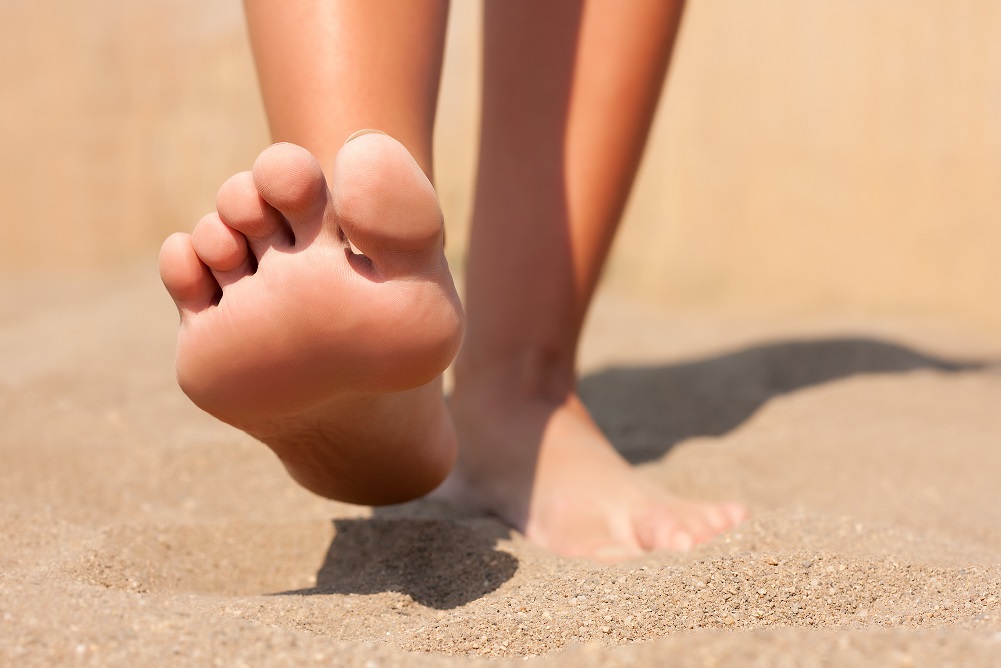
Photo: Even in summer, foot protection is a priority for people living with diabetes. Skip the sandals and barefoot walks. Keep them covered!

Wear sunscreen. Stay hydrated. Wear light, loose clothing. Anyone who’s lived in Kittitas County for more than a year knows these basics for survival in the summer heat. If you’re diabetic, there’s another concern to add to the list: extreme temperatures can spike your blood sugar levels, and wreak havoc on testing equipment and medication.

Recent findings show that the summer heat drives more people with diabetes to the ER, and more diabetics are hospitalized due to heat illness.

“First of all, be aware of your environment. Watch the forecast. When we’re in for a hot spell, there are some things you can do to prepare for diabetic safety,” advises Nicole Norton, Diabetes & Nutrition Education Coordinator at KVH.

Careful planning of your diet is always important, but even more so in extreme temperatures. Think through any adjustments you need to make. And be diligent in avoiding added sugars. “A lot of folks reach for sugared sodas, sweet teas, and juices when they’re thirsty,” warns Norton. “For someone with diabetes, it’s safest to stick with water.”

Another common mistake is skipping meals. Norton explains, “We’re more active in the summer, and we get distracted, forgetting to eat when we should.” That’s not good in normal conditions, but in the heat of summer, it’s even more dangerous. Be familiar with the early symptoms of low blood sugar, and keep some carbohydrates with you to eat if you need to raise your blood sugar.

Once you put the steps into practice, diabetic safety becomes just another automatic healthy habit.

Medication storage is another concern. While unopened insulin should always be kept in the fridge, storing any medications in the heat can degrade them. “Don’t keep medications in your car,” advises Norton. “In a high temp situation, use an ice pack in an insulated lunch pail.”

More frequent testing is also a good idea. Your diabetes educator can help you with guidelines for an appropriate testing schedule.

It’s easy to forget, but foot problems are common for people with diabetes, and summer is all about bare feet, sandals, and open toed shoes. “Keep your feet covered in well-fitting shoes,” says Norton, “even in warm weather. Check your feet every day, and get treatment right away for any injuries.”

It’s a lot to consider, but, like using sunscreen and staying hydrated, once you put the steps into practice, diabetic safety becomes just another automatic healthy habit. “We all have health limitations of some kind,” says Norton. “With a little preplanning and awareness of their surroundings, people living with diabetes can enjoy themselves in the summer like anyone else.”

Article updated 7/2021. Original post 8/2017.

Managed by Kittitas Valley Healthcare, HealthNews does not provide medical advice. For medical advice, please see your healthcare provider.

  • « Go to Previous Page
  • Page 1
  • Interim pages omitted …
  • Page 3
  • Page 4
  • Page 5
  • Page 6
  • Page 7
  • Interim pages omitted …
  • Page 13
  • Go to Next Page »

Primary Sidebar

    Footer Top 2

    603 S. Chestnut Street - Ellensburg, WA 98926
    509.962.9841

    • Facebook
    • Instagram
    • LinkedIn
    • YouTube

    Footer Bottom 1

    Download the MyPatient Portal App
    Apple Store Google Play Store

    Footer Bottom 2

    • About KVH
    • KVH Legal Information
    • Price Transparency
    • Careers
    • Board of Commissioners
    • Contact Us
    • The Foundation at KVH

    Footer Bottom 3

    • Our Locations
    • Hospital Services
    • Clinics & Specialty Services
    • Visiting Information
    • Patient Policies
    • Events & Education
    • Press Releases

    Footer Bottom 4

    Google Translate